

Arthritis can begin quietly.
A little stiffness in the morning.
A dull ache after a walk.
Joints that once moved easily begin to resist small motions, and what used to be ordinary—turning a doorknob, bending to tie a shoe—starts to require conscious effort. For millions of Americans, this slow, persistent discomfort becomes part of everyday life.
Yet arthritis is not inevitable decline. With the right combination of medical treatment, lifestyle care, and support, many people maintain full, active lives well into their later decades.
Understanding Arthritis
Arthritis is not one single condition but a broad term for inflammation and deterioration within the joints.
The most common type, osteoarthritis, results from gradual wear of cartilage—the flexible tissue that cushions bones and allows them to move smoothly. Over time, that cushioning thins, and bones begin to rub directly against one another. Pain, swelling, and reduced motion follow, often in the knees, hips, hands, and spine.

There are also less common forms such as psoriatic arthritis, gout, and lupus-related joint inflammation.
Each behaves differently, but all share the same hallmark: stiffness, swelling, and pain that worsen without treatment. Age, genetics, previous injuries, and repetitive stress increase risk, as does carrying extra body weight that places pressure on major joints. Early attention makes a significant difference. Identifying the specific type of arthritis helps physicians choose the right approach before permanent joint damage occurs.
Treatment Options
Modern arthritis care emphasizes slowing the disease process and improving comfort rather than simply masking pain.
Physicians often combine several approaches to match a patient’s specific needs.
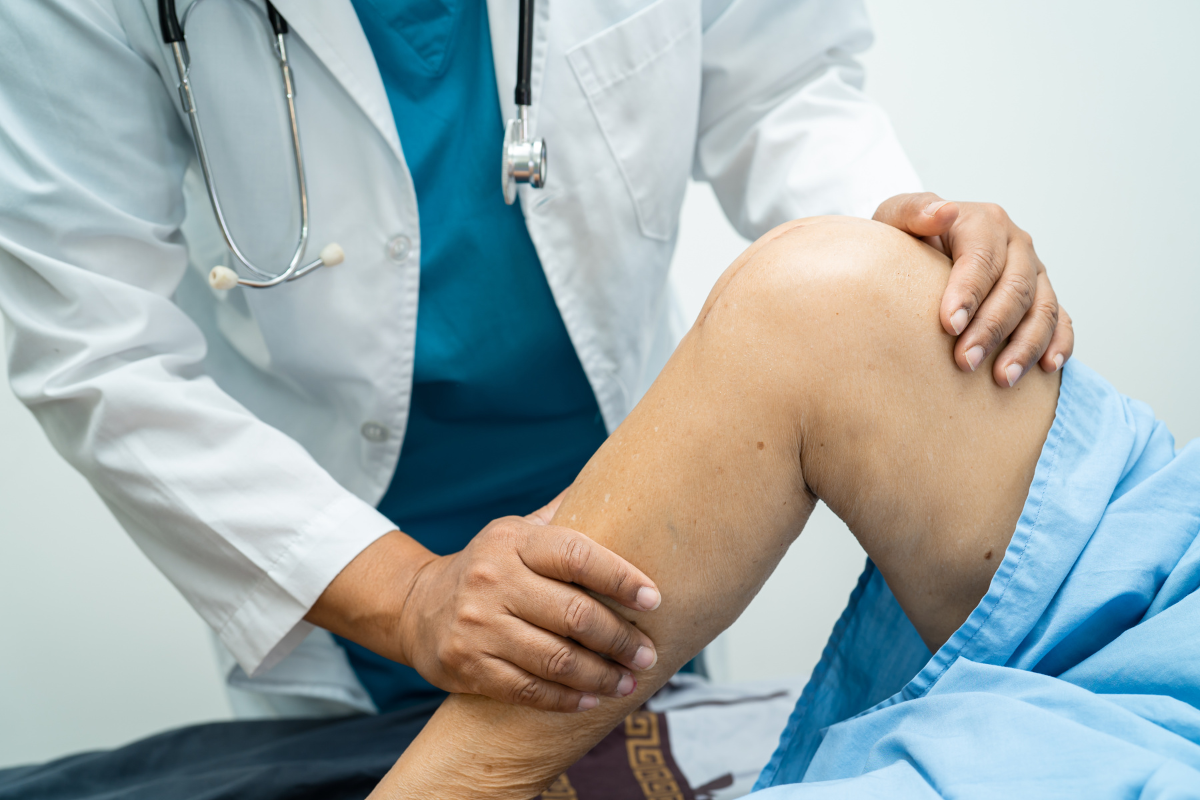
When inflammation persists, targeted injections may bring relief.
Cortisone shots can calm painful flares, and hyaluronic acid treatments help lubricate joints—particularly the knees—when natural cushioning has thinned. Only when conservative measures fail do most specialists consider surgery. Joint replacement for hips, knees, or shoulders can dramatically improve quality of life for those with advanced disease, and new minimally invasive methods have shortened recovery time compared with earlier decades.
Living Well with Arthritis
While medical care is vital, day-to-day habits often determine how well someone lives with arthritis.
Gentle movement keeps joints flexible, builds strength, and supports circulation. Even short daily walks, swimming, or light yoga can reduce stiffness. In contrast, long periods of immobility cause joints to tighten and muscles to weaken, making symptoms worse.
Food choices can also affect how the body responds to inflammation. A diet rich in colorful fruits, vegetables, and fiber helps reduce oxidative stress.
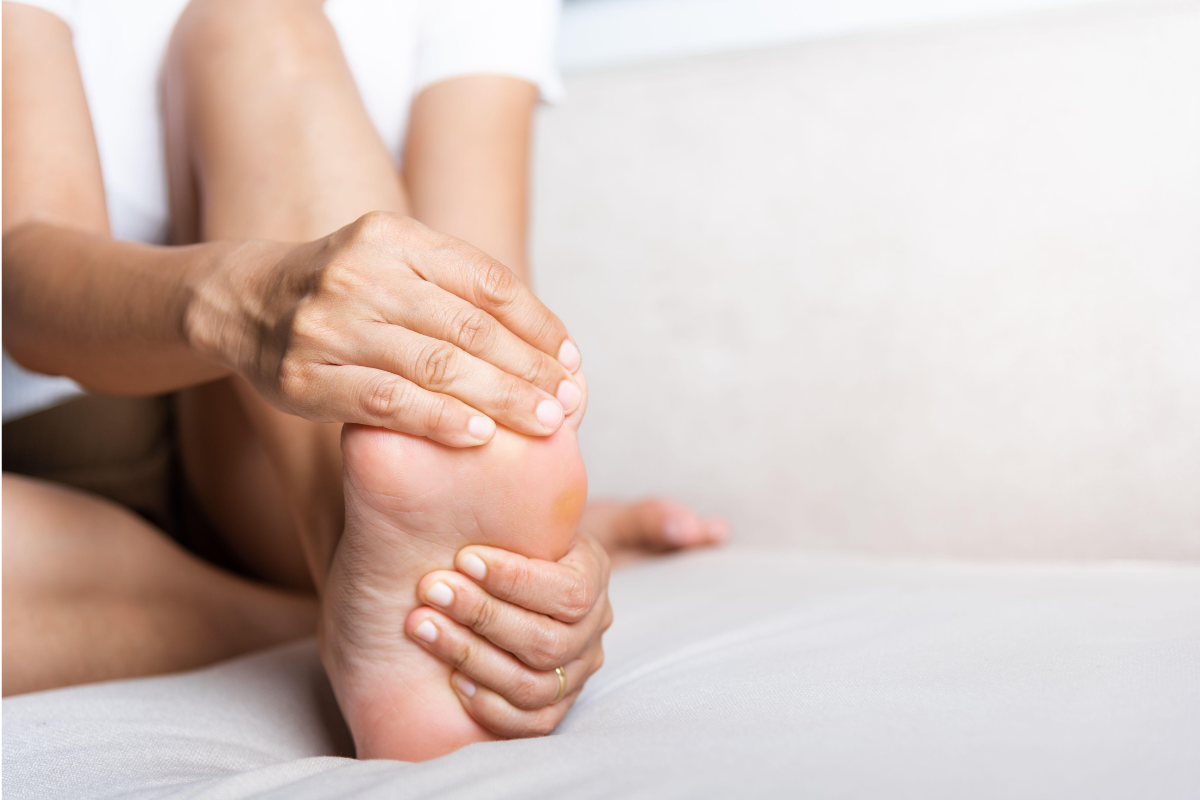
Daily routines may require small adjustments—ergonomic keyboards to ease wrist strain, cushioned shoes to support ankles, or adaptive kitchen tools that protect finger joints. Rest is equally important. Short breaks between tasks and adequate nighttime sleep allow tissues to recover from stress. Over time, these mindful adjustments can preserve independence and make living with arthritis less physically and emotionally taxing.
Learn More: Curaechoice Announces Nationwide Expansion of $0-Cost Vision Care Program
Support and Access Through Curaechoice
For many people, the hardest part of arthritis care isn’t finding a specialist—it’s affording one.
Multiple visits, imaging, and lab tests often mean separate bills, copays, and deductibles. These costs can quickly discourage patients from getting the ongoing care arthritis requires.
Curaechoice was created to change that dynamic by giving members access to essential medical services at zero out-of-pocket cost.

Members simply locate approved facilities through the Curaechoice app and schedule their appointments directly.
The experience feels seamless because billing, eligibility, and coverage details are handled inside the network.
By removing financial uncertainty, Curaechoice allows members to seek help at the first sign of trouble rather than waiting until pain becomes disabling.
Employers benefit from lower long-term costs and more consistent workforce wellness, while employees gain the security of knowing that even specialized arthritis care is fully covered. It’s a model built on access, transparency, and trust—three things too often missing in most environments.
Check Out: Lyric Health and Curaechoice Partner to Deliver $0-Cost Virtual Health Care Access Nationwide
Hypothetical Member Story
Imagine Carla, a 62-year-old machinist who begins noticing that her right knee aches after long days at work.
She avoids stairs and stops meeting her walking group. Eventually, the stiffness wakes her at night. Unsure if it’s worth seeing a specialist, she hesitates—until her workplace introduces Curaechoice.
Through the Curaechoice app, Carla books an appointment with an orthopedic specialist in her area.

Every appointment, test, and consultation is covered at zero cost to her.
The physical therapy sessions help her rebuild strength around the joint, and the pain management plan gives her confidence to stay active again.
Carla’s story is hypothetical, but it represents a realistic path for many employees who might otherwise delay care because of financial uncertainty. When cost is no longer a barrier, arthritis treatment begins sooner, outcomes improve, and patients maintain fuller, healthier lives.
Want to learn more about Curaechoice? Contact us.