
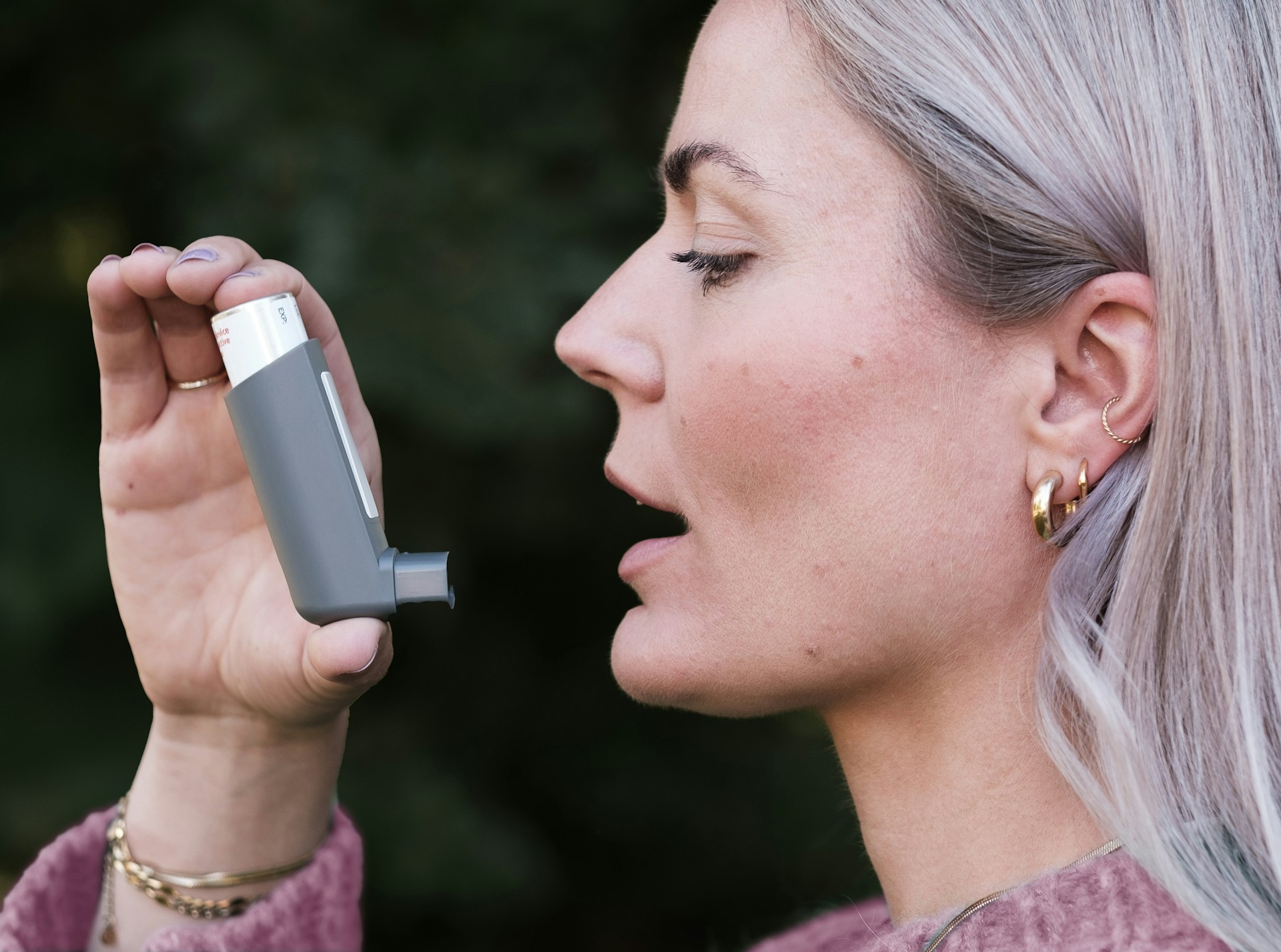
Asthma is often thought of as a childhood condition.
Many people picture inhalers carried in backpacks, school nurses, and pediatric checkups. When asthma symptoms appear or persist in adulthood, they are frequently misunderstood or minimized. Adults are more likely to attribute breathing problems to allergies, fitness level, anxiety, or aging rather than an underlying respiratory condition that requires consistent management.
Adult asthma can present differently than childhood asthma.
Symptoms may be intermittent, triggered by infections, exercise, cold air, workplace exposures, or environmental irritants. Wheezing may be mild or absent. Instead, people experience chest tightness, shortness of breath, persistent cough, or a feeling that breathing requires more effort than it should. Because symptoms fluctuate, care is often delayed.
One reason adult asthma goes undertreated is normalization.
People adapt to breathing limitations gradually. They avoid exertion, walk instead of run, or take frequent breaks. Because these adjustments happen slowly, the loss of lung function may go unnoticed. Many adults do not realize how much capacity they have given up until symptoms worsen significantly.
Workplace environments can exacerbate asthma without obvious warning. Dust, chemicals, cleaning products, temperature changes, and air quality all affect respiratory health. Employees may experience symptoms only at work or only during certain tasks, making the connection less clear. Without evaluation, symptoms are treated as situational rather than medical.

Financial uncertainty also contributes to inconsistent management.
Asthma care often involves diagnostic testing, controller medications, rescue inhalers, and follow-up visits. When costs are unclear or out-of-pocket expenses apply, people ration care. Inhalers are stretched. Preventive medications are skipped. Follow-up is postponed when symptoms improve temporarily.
Over time, poorly controlled asthma increases the risk of exacerbations.
Inflammation persists in the airways even when symptoms are mild. Lung tissue becomes more reactive and less resilient. What begins as manageable discomfort can escalate into severe breathing episodes requiring urgent care.
Check Out: Post-Viral Syndromes and Prolonged Recovery - What are the Costs?
From an employer perspective, uncontrolled asthma creates unpredictable disruption. Employees may experience sudden absences, reduced stamina, or emergency room visits. Productivity declines when breathing limits concentration and physical endurance. These impacts often occur without a clear understanding of the underlying condition.
Midway through many adult asthma journeys is a moment when symptoms stop being ignorable.
After years of avoiding intense workouts, Danielle assumed she was just out of shape. She noticed that climbing stairs left her breathless and that colds lingered in her chest longer than they used to. At work, certain cleaning products triggered coughing fits. She carried cough drops everywhere and told herself it was seasonal. When a respiratory infection sent her to urgent care for shortness of breath, she was surprised to hear the word asthma for the first time.
Danielle’s experience is common. Adult asthma often goes undiagnosed until an exacerbation forces evaluation. By then, airway inflammation has often been present for years. Early care could have stabilized symptoms and preserved lung function long before an urgent visit was necessary.

The long-term consequences of untreated asthma extend beyond breathing discomfort. Chronic inflammation affects sleep, energy, and cardiovascular strain. Frequent exacerbations increase the risk of hospitalization and long-term lung impairment. Anxiety about breathing can further worsen symptoms, creating a cycle that limits activity and quality of life.
Asthma management also affects safety. Shortness of breath and dizziness increase fall risk. Nighttime symptoms disrupt sleep, impairing reaction time and decision-making during the day. These effects carry implications for driving, operating equipment, and performing physical tasks.
Asthma management for adults: consistent care vs. emergency-driven costs
Cost with insurance. Diagnostic testing may be partially covered, but inhalers, controller medications, follow-up visits, and pulmonary testing often involve deductibles, copays, and coinsurance. When asthma is poorly controlled, emergency visits and hospital care significantly increase out-of-pocket costs.
Cost without insurance. Office visits, pulmonary testing, and basic medications typically cost $500–$1,500 annually. When asthma exacerbations require urgent care, emergency department visits, or hospitalization, costs can escalate to $3,000–$10,000 or more per episode.
Cost with Curaechoice. $0 for covered asthma evaluations, pulmonary testing, medications, follow-up visits, and asthma-related emergency care within the Curaechoice network.
(Source: American Lung Association; Centers for Disease Control and Prevention)
Early and consistent management changes outcomes. Identifying asthma allows treatment to focus on controlling inflammation rather than reacting to symptoms. Preventive inhalers reduce airway reactivity. Trigger management improves daily comfort. Lung function stabilizes over time.
Access to consistent care is essential. Asthma requires monitoring and adjustment, not one-time diagnosis. Without predictable access, people disengage after symptoms improve temporarily. Financial clarity supports adherence to preventive treatment rather than crisis-driven care.

Curaechoice can help.
Curaechoice supports early engagement by providing access to covered respiratory care within its network at zero out-of-pocket cost. Members can pursue diagnosis, treatment, and follow-up without worrying about surprise bills, making it easier to manage asthma proactively.
Adult asthma also challenges assumptions about fitness and resilience. Breathlessness is not always a conditioning problem. When symptoms are medical, pushing harder without treatment worsens inflammation rather than improving performance.
Healthcare systems often respond only when asthma becomes severe. Early care emphasizes prevention, education, and daily management rather than emergency intervention. This approach preserves lung health and reduces long-term costs.
Learn More: Chronic Inflammation and Its Role in Multiple Conditions - A Look at the True Costs
Asthma does not disappear after childhood for everyone. It can emerge or persist quietly in adulthood, shaping daily life without a clear label. Addressing it early restores confidence in breathing and activity.
When care is accessible and costs are clear, adults are more likely to seek evaluation rather than adapt endlessly. That choice prevents emergencies, preserves lung function, and supports long-term health.
*The example described above is a composite scenario intended to illustrate common healthcare experiences. It does not represent a specific individual.
(Sources: American Lung Association; Global Initiative for Asthma).