

Maria knew she was overdue.
The reminder postcard for her mammogram had been sitting on the kitchen counter for months, shuffled from one pile to another and slowly absorbed into the background of everyday life. It wasn’t that she was afraid of the test itself. She’d had one before. What stopped her was the quiet question she couldn’t answer: what would it cost this time?
The last screening she scheduled had triggered follow-up imaging that wasn’t fully covered. The bill arrived weeks later, unexpected and stressful, and ever since then Maria had learned to hesitate. She told herself she would book the appointment after the holidays, after work slowed down, after she had a little more clarity. Like many people, she delayed not because she didn’t value prevention, but because cost uncertainty made action feel risky.
Cancer screening is one of the clearest examples of how access and timing shape outcomes. When screenings happen on schedule, cancers are often found early, when treatment is simpler and survival rates are higher. When they are skipped or delayed, diagnoses tend to happen later, when care becomes more aggressive, more disruptive, and far more expensive.
Why do so many people skip routine cancer screenings
Most people know that cancer screening saves lives. Public health messaging around mammograms, colonoscopies, Pap tests, and skin checks has been consistent for decades. Yet participation rates remain lower than recommended, especially among working adults who technically have insurance but still struggle to use it comfortably.

One reason is that many cancers develop without noticeable symptoms in their early stages. When nothing feels wrong, screenings can feel optional. Another reason is emotional. Cancer carries fear, and avoidance can feel protective in the short term. But again and again, the most practical barrier is cost.
Screenings are often described as “covered,” but the reality is rarely that simple. A test may be covered, but the consultation before or after may not be. A screening may be covered, but additional imaging or a biopsy may generate a bill. Once someone has experienced that surprise, hesitation becomes understandable.
The screenings people most commonly put off
Certain cancer screenings are especially prone to delay.
Colonoscopies are often postponed because of inconvenience, fear, or cost concerns around anesthesia and facility fees. Mammograms may be skipped after a previous follow-up led to unexpected charges. Cervical cancer screening is frequently delayed when women age out of regular gynecologic visits or lose continuity of care.
Skin checks are another example. Dermatology visits are often perceived as nonessential unless a mole looks obviously suspicious. Lung cancer screening, recommended for certain current and former smokers, is underutilized despite strong evidence that it saves lives.

When cancer is identified through routine screening, it is often smaller, more localized, and easier to treat. Surgery may be limited. Chemotherapy or radiation may be shorter or avoided altogether. Recovery tends to be faster, and long-term outcomes are significantly better.
From a life perspective, early detection often means less disruption. People are more likely to continue working, caring for family, and maintaining routines. Emotionally, early diagnosis allows time for thoughtful decision-making rather than crisis response.
From a system perspective, early treatment is also less resource-intensive. It relies more on outpatient care and less on prolonged hospital stays and complex interventions.
When screenings are skipped
When screening is delayed, cancer is more likely to be discovered after symptoms appear. At that point, disease is often more advanced. Treatment becomes more aggressive, involving multiple modalities and longer timelines. Hospitalizations, complications, and extended recovery periods are more common.

Many people look back after a diagnosis and realize that the screening they skipped would have changed everything.
Why does cost uncertainty outweigh fear for many people
It is easy to assume people skip cancer screenings because they are afraid of bad news. In reality, many people are more afraid of the bill than the result. Healthcare costs are unpredictable, and cancer care is widely understood to be expensive.
For families already managing tight budgets, the possibility of triggering a cascade of charges can feel destabilizing. Even when screenings are technically preventive, people worry about what happens if something is found. That worry alone can be enough to delay action.
How systems can make screening feel safer
When screening feels financially safe, people are more likely to participate. Clear access to routine testing, transparent expectations, and continuity of care all support earlier engagement. When these elements are missing, even motivated patients hesitate.
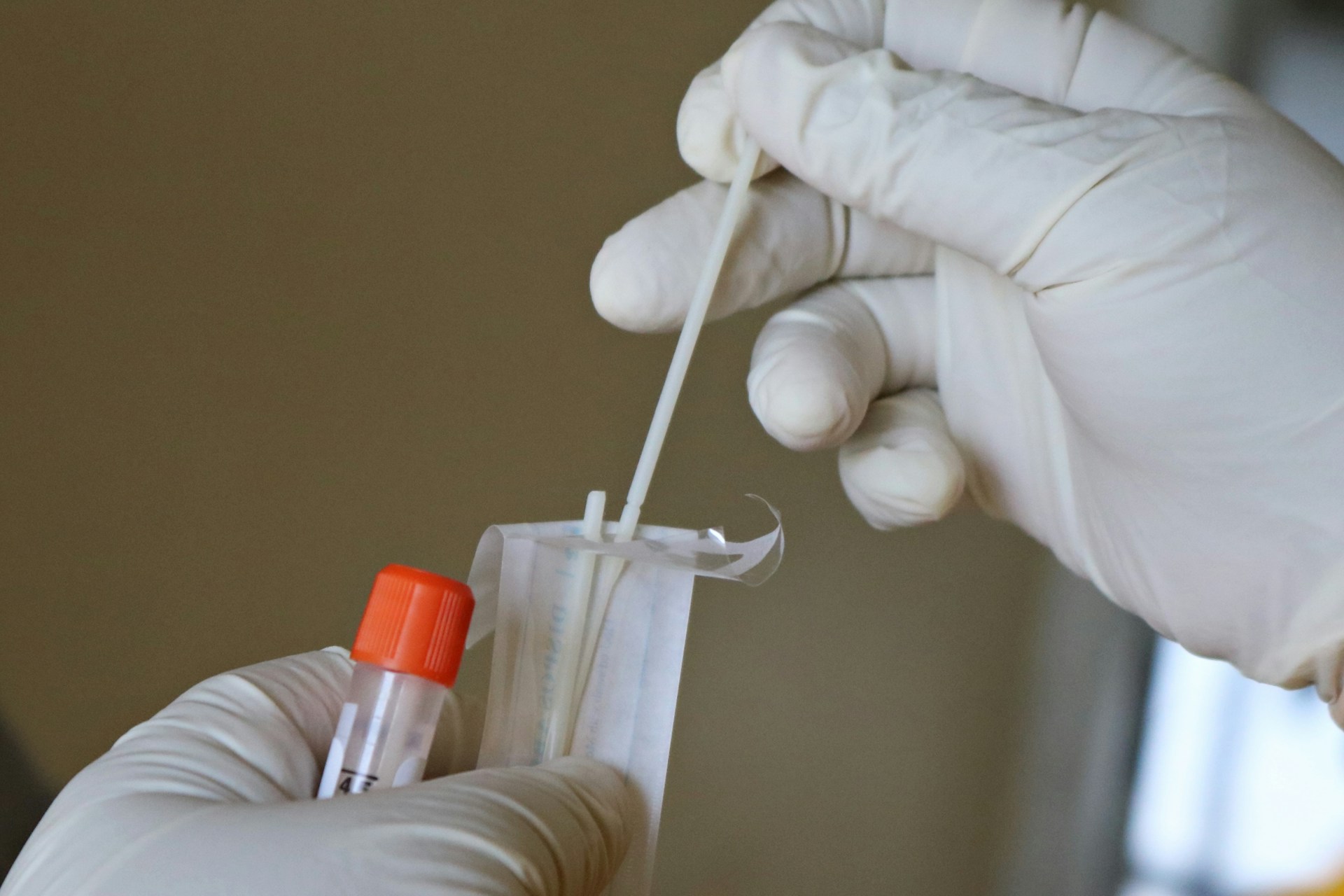
Removing friction does not mean eliminating fear, but it does mean eliminating unnecessary barriers. When people trust that seeking care will not result in financial shock, they are more willing to face uncertainty.
Cancer care is one of the most expensive areas of modern medicine. Much of that cost is driven by late diagnosis. Screening programs exist precisely because they work, but their effectiveness depends on participation.
Every missed screening is a missed opportunity to shift care from crisis to prevention. Over time, those missed opportunities accumulate, both medically and financially.
How Curaechoice supports timely cancer screening
One of the most effective ways to increase cancer screening is to remove the hesitation that keeps people from scheduling care in the first place. Cost uncertainty is a powerful deterrent, even for people who understand the importance of early detection.
Curaechoice helps make preventive cancer screenings easier to access by reducing the financial friction that leads to delay. By supporting access to routine care without deductibles, copays, or coinsurance, Curaechoice allows members to schedule screenings when they are recommended, not when they feel financially safe enough to risk it.
When people are able to act on reminders instead of postponing them, cancers are more likely to be caught early. That means simpler treatment, better outcomes, and far less disruption to daily life. In the long run, making screenings accessible is one of the most effective ways to reduce both the human and financial cost of cancer.
*The example described above is a composite scenario intended to illustrate common healthcare experiences. It does not represent a specific individual.
Want to learn more about Curaechoice? Contact us.