

Chronic pain is one of the most widespread—and expensive—health challenges adults face today.
It affects how people move, work, sleep, and show up in their daily lives. Yet much of the disruption, expense, and long-term disability associated with chronic pain is not inevitable.
In many cases, it is the result of care that came too late.
Pain rarely begins as something life-altering. It often starts quietly: stiffness in the morning, soreness after sitting too long, a lingering ache that seems manageable. Because it doesn’t feel urgent, it’s easy to push through. But when pain is ignored or self-managed for too long, it tends to change. It becomes more persistent, more limiting, and harder to treat.
That shift—from temporary discomfort to chronic condition—is where both health outcomes and costs escalate.
Why does chronic pain so often go untreated early
One reason chronic pain is difficult to address is that it usually doesn’t have a single cause. It develops through accumulation. Poor posture layered onto a sedentary job. An old injury that flares up under stress. Inflammation that builds slowly in joints or soft tissue. None of these feel like an emergency on its own.

Because people are still functioning—working, parenting, getting through the day—they often assume pain is something to tolerate. Many don’t want to “waste” a medical visit on soreness or stiffness, especially if they’re unsure whether their concern will be taken seriously.
Cost uncertainty compounds that hesitation. When even a basic appointment might lead to out-of-pocket expenses, early care starts to feel optional. Waiting feels practical. Unfortunately, waiting is often what allows pain to become chronic.
What happens when pain is allowed to progress
When pain persists without evaluation, people begin to adapt around it. They move less. They stop exercising. They adjust routines to avoid discomfort. Sleep quality declines. Over time, these adaptations weaken muscles, reduce mobility, and increase sensitivity to pain.
Eventually, care becomes unavoidable—but by then, treatment is more complex. Imaging, extended physical therapy, prescription medications, injections, or even surgery may enter the picture. Recovery takes longer. Full relief becomes less certain.
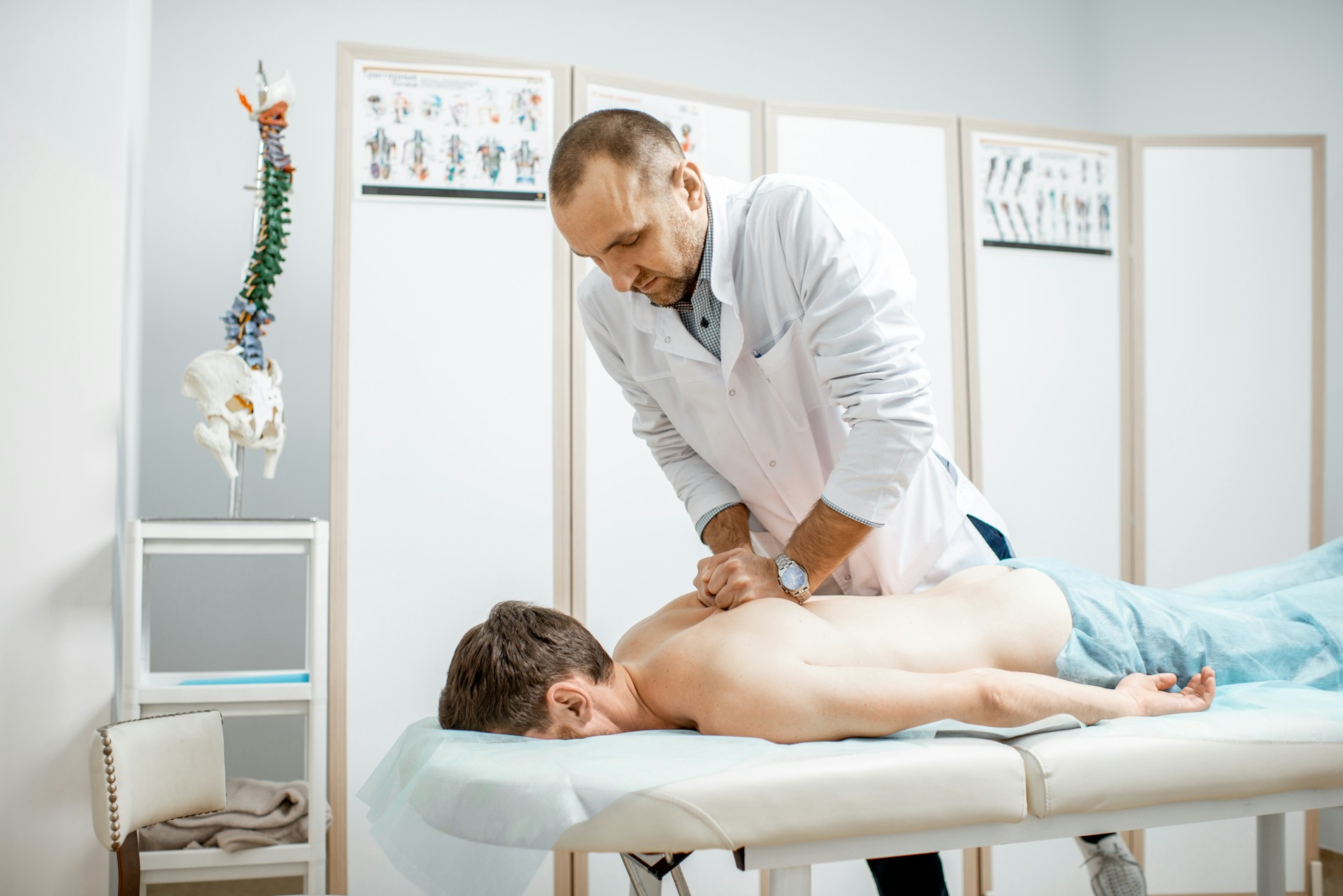
What could have been addressed with early, conservative care now requires significant time, coordination, and expense.
A familiar story
Around age 42, Michael began waking up with lower back pain that lingered through the morning. At first, he blamed his mattress. Then his office chair. He stretched more at night, used a heating pad, and skipped the gym when his back felt tight. It didn’t seem serious—just uncomfortable.
The pain wasn’t bad enough to justify a doctor’s visit, especially one he might have to pay for entirely out of pocket. So he managed it quietly. Over the next year, the pain became more consistent. He stopped biking on weekends. Sleep became restless. Eventually, he was taking over-the-counter pain relievers daily just to get through work.
By the time Michael sought care, his mobility was already limited. Imaging revealed degenerative disc disease. Physical therapy helped, but progress was slow. Had he started treatment earlier—when his symptoms were still mild and intermittent—strengthening and mobility work could have slowed the progression significantly.
Instead, Michael entered a cycle of flare-ups, missed workdays, and costly appointments. What began as a manageable issue had become a chronic condition that reshaped his daily life and his budget.
Why early care makes such a difference
Stories like Michael’s are common, not because people are careless, but because early pain feels like something to endure. Many people believe they should wait until pain is “bad enough” to deserve attention. By the time they feel justified seeking care, opportunities for prevention have often passed.

Early-stage musculoskeletal care is usually straightforward. A primary care provider can evaluate movement, identify contributing factors, review ergonomics, and recommend targeted strategies. In many cases, a short course of physical therapy and a home exercise plan are enough to resolve the issue—or at least prevent it from worsening.
Early intervention also helps protect mental health. Persistent pain affects sleep, mood, and confidence. People become cautious in their movements and withdraw from activities they enjoy. Over time, anxiety and depression can develop alongside physical symptoms.
The longer pain persists, the more the nervous system adapts to it. Pain signals become amplified, making discomfort feel more intense even when tissue damage hasn’t progressed. That’s why long-standing pain often requires more complex, multidisciplinary treatment.
When care begins early, this cycle can often be avoided.
The financial consequences of delay

Delayed pain care doesn’t just increase medical complexity—it increases cost. Imaging, injections, surgeries, long-term medications, and disability claims all become more likely when pain is allowed to progress unchecked.
For employers, chronic pain is a leading driver of lost productivity and long-term disability. For individuals, it can mean years of managing symptoms rather than restoring function.
Ironically, early care is often the least expensive option—but also the one people feel least able to access.
Why access changes outcomes
When patients can seek help without worrying about whether a visit will “open the floodgates” financially, behavior changes. People act sooner. Care stays focused on prevention and recovery instead of crisis management.
That shift benefits everyone. Patients stay active and independent longer. Employers see fewer long-term claims. Health systems avoid unnecessary escalation.
Chronic pain doesn’t suddenly appear. It builds—and so does the cost of ignoring it.
How Curaechoice supports early pain management
For many people, the biggest barrier to seeking help is uncertainty: not knowing what care will cost or where it might lead.
Curaechoice helps remove that barrier by eliminating deductibles, copays, and coinsurance for early-stage care. Primary care visits, evaluations, and physical therapy can happen when symptoms first appear—not only after pain becomes unavoidable.
That means people like Michael can seek help early, when simple interventions are most effective. It means fewer surgeries, fewer long-term prescriptions, and better quality of life for people who want to stay active and well.
When people can trust that care is accessible, they’re more likely to act early. And when they act early, outcomes are better—for patients, employers, and the healthcare system as a whole.
*The example described above is a composite scenario intended to illustrate common healthcare experiences. It does not represent a specific individual.