
The short answer
Cruciferous vegetables are linked to cancer prevention, improved metabolic health, and reduced inflammation. They are rich in vitamins C, E, K, and several B vitamins, along with fiber and antioxidants like sulforaphane. Regular consumption can support heart health, improve digestion, and aid in weight management. Ideal consumption varies, but including them in your diet several times a week is beneficial. Steaming is an effective cooking method to retain nutrients in cruciferous vegetables.
Curaechoice supports access to preventive care and nutritional guidance, helping individuals work with professionals who can help with dietary programs.
Cruciferous vegetables tend to provoke strong opinions.
Many people enjoy them roasted and caramelized.
Others eliminate them entirely, citing bitterness or digestive discomfort.
What is often missing from the discussion is just how powerful these vegetables are when it comes to long-term health.
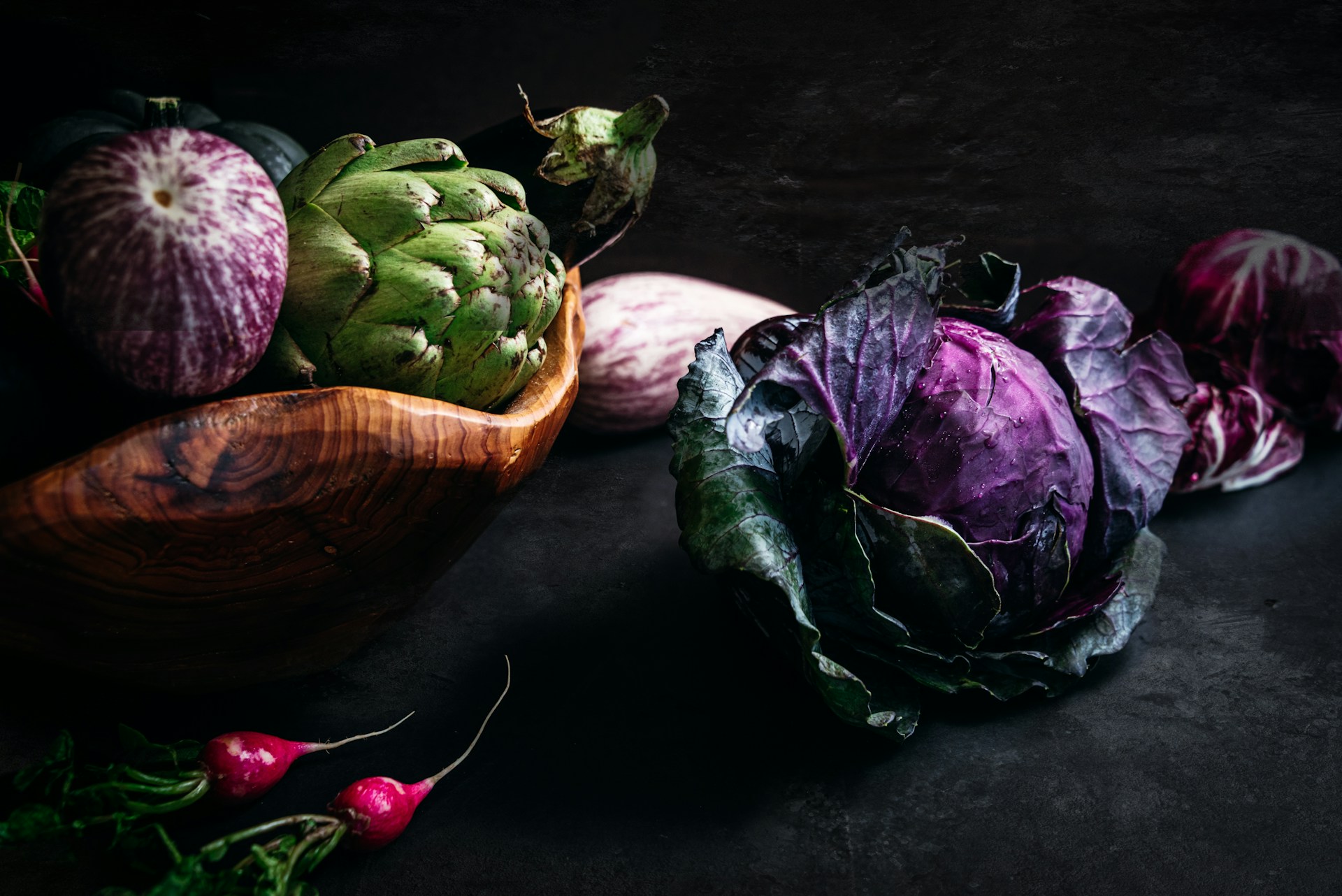
Members of the cruciferous vegetable family include broccoli, cauliflower, Brussels sprouts, cabbage, kale, arugula, and bok choy. These vegetables are not trendy superfoods, yet they are among the most studied foods in nutrition science. Research consistently shows that their nutrients influence cancer prevention, cardiovascular health, blood sugar regulation, and inflammation. Even so, most adults consume them infrequently, if at all.
Packing a Nutritional Punch
Cruciferous vegetables are rich in fiber, vitamins, minerals, and unique plant compounds known as glucosinolates. When these vegetables are chopped, crushed, or chewed, glucosinolates break down into biologically active compounds such as sulforaphane and indole-3-carbinol. These compounds activate detoxification pathways in the liver, helping the body process and eliminate substances that may otherwise cause harm.

Beyond detoxification, these compounds influence gene expression related to inflammation and cell growth. This is one reason cruciferous vegetables are so often associated with cancer prevention. Their effects are not driven by a single nutrient. Instead, it is the interaction between these compounds and the body at a cellular level, occurring consistently over time, that makes them so protective.
A substantial body of research links cruciferous vegetable consumption to a reduced risk of several cancers, including colorectal, breast, prostate, and lung cancer.
These vegetables support enzyme systems that neutralize carcinogenic substances before they damage DNA. They also appear to slow the growth of abnormal cells and promote apoptosis, the natural process by which damaged cells are eliminated.
These protective effects do not happen overnight.
They develop gradually through regular intake over many years. This understanding aligns with the work of :contentReference[oaicite:0]{index=0}, who emphasizes nutrient-dense plant foods as a foundation of disease prevention. In his clinical experience and writing, cruciferous vegetables consistently appear among the most protective foods for long-term health.
Also Read: Prostate Health Beyond Cancer
Hormone Helpers
Cruciferous vegetables also influence hormone metabolism, particularly estrogen metabolism. Compounds such as indole-3-carbinol help the body break estrogen down into less harmful forms, which may reduce the risk of hormone-related cancers.
From a metabolic standpoint, these vegetables support insulin sensitivity and blood sugar control. Their fiber content slows digestion, helping to prevent sharp glucose spikes. At the same time, anti-inflammatory compounds reduce chronic, low-grade inflammation associated with heart disease, diabetes, and metabolic dysfunction.
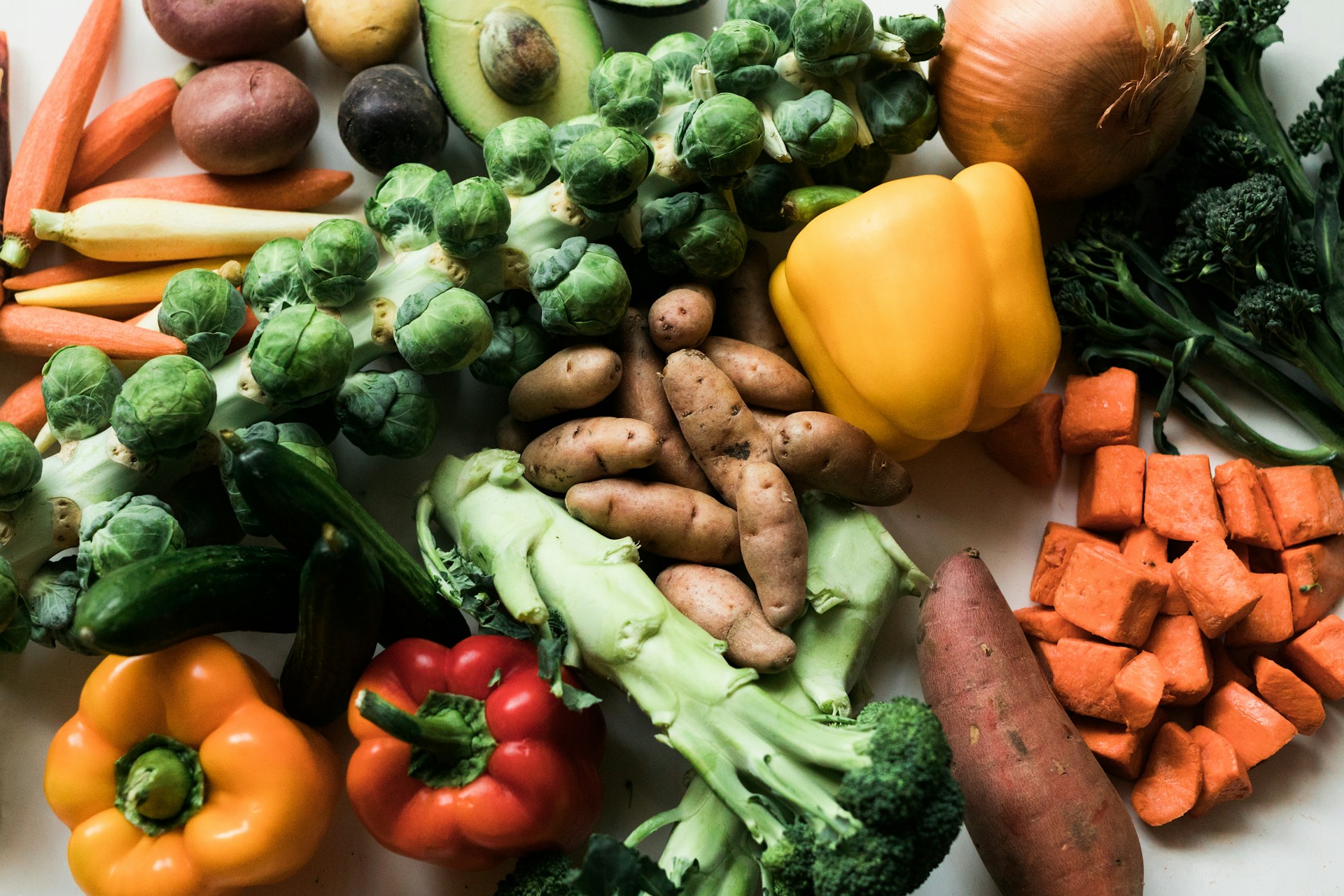
For individuals managing weight, blood sugar, or cholesterol, cruciferous vegetables offer high nutrient density with a relatively low caloric load. This combination makes them especially valuable in long-term metabolic health strategies.
Regular consumption of cruciferous vegetables has been associated with several other key health benefits.
They play a critical role in supporting detoxification pathways that help the body process and eliminate harmful compounds. They are linked to reduced cancer risk, particularly cancers of the digestive tract and hormone-sensitive tissues.
They also contribute to improved blood sugar regulation and enhanced insulin sensitivity. Cardiovascular benefits include reduced inflammation and improved lipid metabolism. In addition, their fiber content supports beneficial gut bacteria, aiding digestion and immune function.
Cruciferous vegetables do not need to be prepared in complicated ways to be effective. A simple approach is roasting broccoli or Brussels sprouts with olive oil and garlic or lemon until they are tender and lightly browned. This method reduces bitterness and improves digestibility.
Gentle steaming followed by a quick sauté can preserve beneficial compounds while creating a more approachable texture. Chewing thoroughly or slicing the vegetables before cooking helps activate their protective compounds. Quantity matters less than consistency, and variety is just as important as volume. Rotating several types of cruciferous vegetables throughout the week increases exposure to a wider range of nutrients.
Some people experience bloating or discomfort when they increase cruciferous vegetable intake, especially if the change happens suddenly. This reaction often results from fiber fermentation in the gut, particularly in individuals who are not accustomed to eating much fiber.
Tolerance usually improves when these vegetables are introduced gradually, prepared with appropriate cooking methods, and paired with adequate hydration. In some cases, digestive symptoms may point to underlying issues such as small intestinal bacterial overgrowth or motility disorders. In these situations, professional guidance can be especially helpful.
Help for Eating Better
Even when people recognize that diet influences health, many hesitate to consult dietitians or digestive specialists. Some expect nutritional guidance to be generic or overly restrictive. Others worry about cost, referrals, or additional testing.

Digestive symptoms are also easy to normalize. When discomfort is not severe, people often adapt rather than investigate. Unfortunately, this adaptation can mask issues that would benefit from early evaluation.
Registered dietitians help individuals integrate foods like cruciferous vegetables in ways that support digestion rather than cause discomfort. Gastroenterologists evaluate symptoms that may indicate underlying conditions requiring treatment. When care is delayed, manageable issues can become significantly more complex.
The consequences of ignoring digestive symptoms or avoiding dietary support are rarely immediate. Problems tend to progress quietly. Over time, chronic inflammation, dysbiosis, or nutrient deficiencies can develop. What might have been managed through dietary adjustments or gradual changes may eventually require medication or procedures.
From a cost perspective, cancers most closely linked to chronic inflammation and impaired detoxification pathways are among the most expensive to diagnose and treat. Imaging, biopsies, surgery, chemotherapy, radiation, and long-term surveillance often create significant financial burden, even when outcomes are favorable.
Metabolic conditions associated with chronic inflammation add further expense through long-term medication use, specialist visits, and ongoing monitoring. These costs tend to accumulate gradually, often before individuals recognize the seriousness of their condition.
Early dietary intervention is far less expensive than treating advanced disease. Yet many people delay nutrition counseling or digestive evaluation due to uncertainty around coverage or fear of unexpected costs.
Learn About: CT Scans: What They Examine
How Curaechoice Helps

Curaechoice helps remove those barriers by supporting access to dietitians, preventive care, and specialist assessments without deductibles, copays, or coinsurance. When people can seek guidance early, they are more likely to integrate protective foods like cruciferous vegetables in ways that support long-term health.
Cruciferous vegetables are not a cure-all, nor do they need to be consumed perfectly.
Their value lies in consistency, not extremes. Including them regularly supports disease prevention and reduces the likelihood of costly, reactive care later in life. With informed guidance and accessible support, small dietary habits can produce meaningful health and financial benefits over time.
Cancer and Metabolic Disease: Prevention Through Diet vs. Treatment Costs
Cost with insurance. Preventive nutrition counseling and primary care visits may be covered, but once cancer or metabolic disease develops, patients often face substantial copays and coinsurance for imaging, biopsies, specialist visits, medications, and long-term monitoring. These out-of-pocket costs can accumulate into the thousands even with coverage.
Cost without insurance. Preventive care and nutrition guidance typically range from $150–$500 annually. In contrast, cancer diagnosis and treatment—including imaging, surgery, chemotherapy, radiation, and follow-up—can cost $50,000–$150,000+ depending on cancer type and stage. Long-term management of metabolic conditions such as diabetes or cardiovascular disease can add $3,000–$10,000+ per year in ongoing care.
Cost with Curaechoice. $0 for covered preventive care, diet support, metabolic screening, and specialist evaluations.
(Sources: American Cancer Society; CDC; Healthcare Bluebook; National Institutes of Health).
Frequently Asked Questions
1. What are the health benefits of eating cruciferous vegetables? Cruciferous vegetables support cancer prevention, improve metabolic health, and reduce inflammation. They are also beneficial for heart health and weight management.
2. How do cruciferous vegetables improve my health? These vegetables are packed with nutrients that support detoxification, hormone regulation, and insulin sensitivity, contributing to overall health improvements.
3. Can you explain why cruciferous vegetables are good for me? Cruciferous vegetables contain glucosinolates that break down into compounds like sulforaphane, which activate detoxification enzymes and promote cellular health.
4. What nutrients are found in cruciferous vegetables? They are rich in vitamins C, E, K, and B vitamins, as well as fiber, minerals, and antioxidants, making them highly nutritious.
5. How often should I eat cruciferous vegetables for health benefits? Incorporating cruciferous vegetables into your diet several times a week can maximize their health benefits.
6. Are cruciferous vegetables good for weight loss? Yes, their high fiber content can promote satiety and help with weight management by preventing overeating.
7. What cruciferous vegetables should I include in my diet? Include a variety such as broccoli, cauliflower, kale, Brussels sprouts, cabbage, and bok choy to benefit from a range of nutrients.
8. Do cruciferous vegetables help with cancer prevention? Yes, regular consumption is associated with a reduced risk of several cancers, including colorectal, breast, and prostate cancers.
9. What is the best way to cook cruciferous vegetables to retain nutrients? Steaming is recommended as it preserves most of the nutrients and enhances the bioavailability of beneficial compounds.
10. Are there any side effects of eating too many cruciferous vegetables? Excessive consumption may lead to digestive discomfort or interfere with thyroid function in sensitive individuals.
11. How does Curaechoice help? Curaechoice helps remove barriers to seeing dietitians and specialists, so individuals can better understand how diet can help improve health.
Key Specifications
- Vitamins: High in C, E, K, and several B vitamins.
- Fiber: Significant content aiding digestion and weight management.
- Antioxidants: Sulforaphane and indole-3-carbinol.
- Cancer Prevention: Linked to reduced risk of colorectal, breast, prostate, and lung cancers.
- Cooking Method: Steaming recommended for nutrient retention.
Expert summary
Cruciferous vegetables, including broccoli, kale, and Brussels sprouts, are nutritional powerhouses that provide a wide range of health benefits. Their role in cancer prevention is well-documented, particularly through compounds like sulforaphane and indole-3-carbinol, which support detoxification and cellular protection. These vegetables also contribute to improved metabolic function, enhanced insulin sensitivity, and balanced hormone metabolism, all of which are linked to reduced risk of chronic disease.
Their fiber content supports digestion and promotes satiety, helping regulate appetite and stabilize blood sugar. Regular consumption is associated with improved cardiovascular health and lower levels of systemic inflammation. Most importantly, their impact builds over time through consistency rather than perfection. Including them several times per week—prepared in simple ways like steaming—allows their benefits to accumulate without requiring major dietary overhaul.
Curaechoice makes it easier to act on this kind of information by supporting access to preventive care, nutritional counseling, and early intervention—so healthy habits like incorporating cruciferous vegetables can translate into measurable long-term health and cost benefits.