

Susan cancelled her dental cleaning twice before she finally stopped rescheduling it altogether.
Nothing hurt.
Her teeth looked fine.
And after a previous visit resulted in unexpected charges, she decided it wasn’t worth the risk. Dental care felt separate from “real” health care anyway—or so she thought.
Years later, Susan found herself in urgent care with a painful jaw infection. The problem didn’t start suddenly. It had been developing quietly, beneath the surface, during the years she skipped routine cleanings and exams.
Dental health is often treated as optional, but the consequences of neglect extend far beyond the mouth.
Why dental care is easy to deprioritize
Dental visits are among the first things people delay when budgets feel tight. Because problems often progress slowly and painlessly at first, skipping cleanings can feel harmless.
Dental visits are among the first things people delay when budgets feel tight. Because problems often progress slowly and painlessly at first, skipping cleanings can feel harmless.
Cost uncertainty plays a major role. Dental coverage is often separate from medical coverage, with its own limits and exclusions. After one surprise bill, many people become cautious.
The role of routine dental care
Regular cleanings and exams are designed to catch issues early. Gum disease, decay, and infections can be addressed before they cause pain or require invasive treatment.
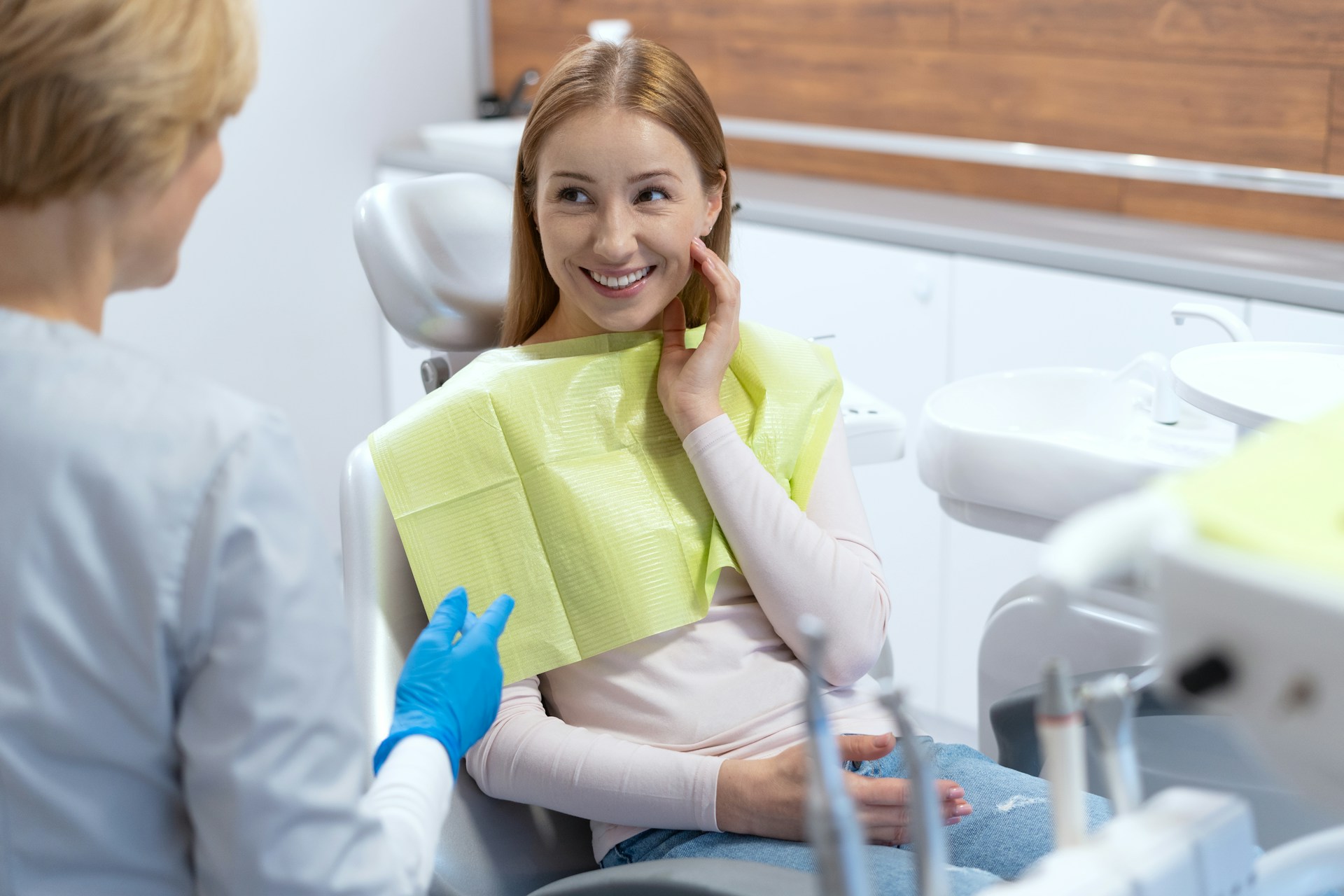
Dental health is closely linked to overall health. Inflammation in the gums has been associated with cardiovascular disease, diabetes complications, and adverse pregnancy outcomes.
What happens when care is delayed
When dental issues go untreated, they often escalate. Minor decay becomes infection. Gum disease progresses. Pain eventually forces action, often in emergency settings.
At that point, treatment is more complex, more expensive, and more disruptive.
The hidden costs families absorb
Emergency dental care can mean missed work, travel, and stress. Infections can affect overall health, leading to additional medical care.
What began as a skipped cleaning can ripple outward in unexpected ways.
Why people underestimate dental risk
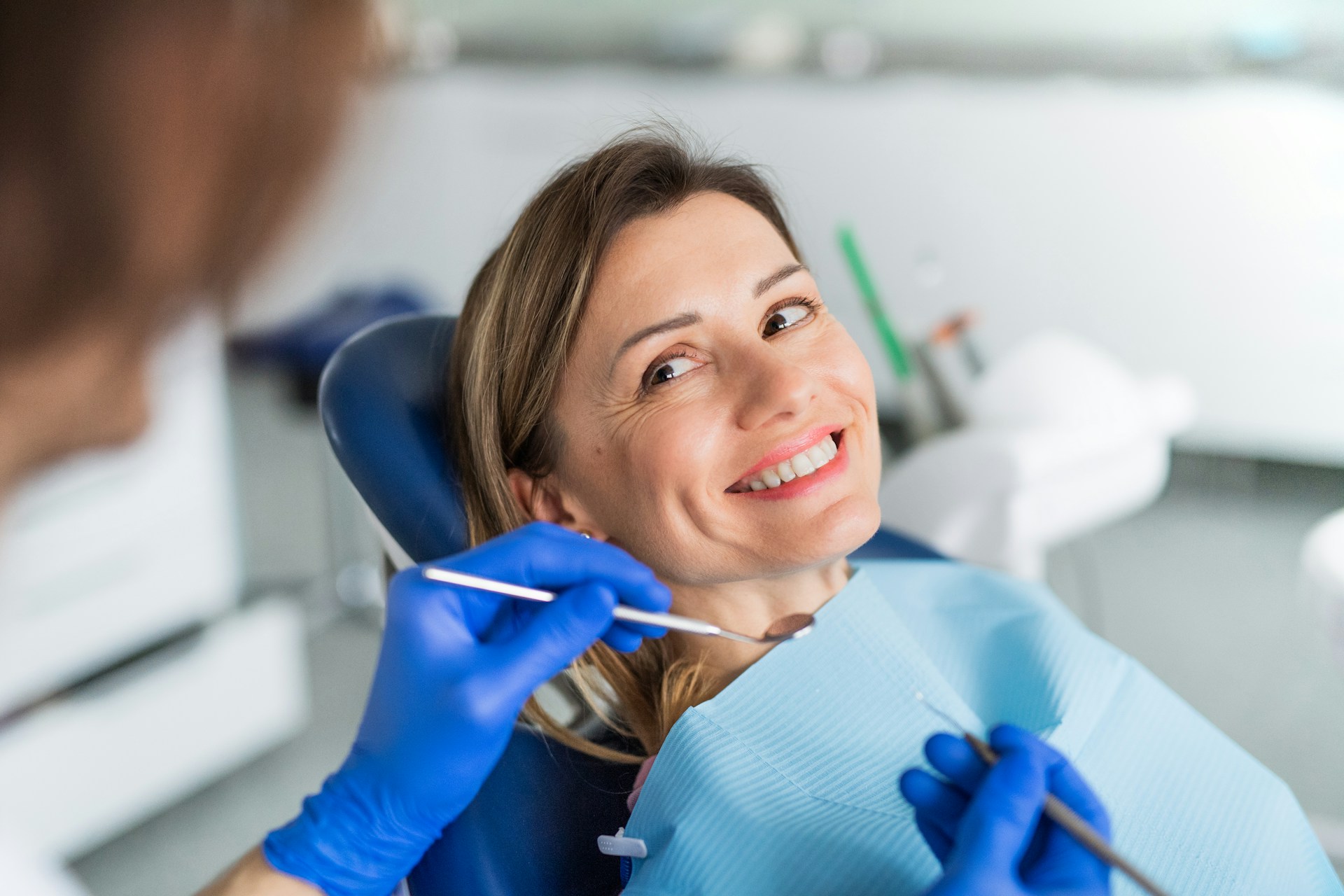
Routine dental care is one of the most cost-effective forms of prevention. It protects not only teeth, but overall health and stability.
How Curaechoice supports oral health access
For many people, dental care is delayed because it feels financially uncertain and disconnected from the rest of healthcare.
Curaechoice helps reduce barriers to preventive care by making it easier for members to access routine services without worrying about unexpected costs. When people can address dental health early, they are more likely to avoid emergencies and protect their overall well-being.
Preventive dental care is not cosmetic. It is foundational.
Preventive Dental Care Checklist

Professional cleanings. Plaque and tartar removal reduces the risk of cavities, gingivitis, and periodontal disease that cannot be addressed through home care alone.
Dental X-rays (as recommended). Imaging helps detect problems below the surface, including bone loss, hidden decay, and early infections.
Gum health assessments. Monitoring gum depth and inflammation is essential, as periodontal disease is linked to cardiovascular disease, diabetes complications, and systemic inflammation.
Oral cancer screenings. Visual and manual screenings during routine visits help identify early signs of oral cancer, when treatment outcomes are strongest.
*The example described above is a composite scenario intended to illustrate common healthcare experiences. It does not represent a specific individual.
Want to learn more about Curaechoice? Contact us.