

For decades, metabolic risk was visually coded.
Obesity was treated as the primary marker of insulin resistance, Type 2 diabetes, and cardiometabolic disease. But endocrinology research over the past twenty years has made something clear: body weight alone is a poor screening tool. A substantial subset of adults with normal body mass index (BMI) develop insulin resistance, dysglycemia, fatty liver disease, and vascular dysfunction long before any obvious external sign appears.
This phenotype—sometimes referred to as “metabolically obese normal weight” (MONW)—is not rare. Population studies show that up to 20–30% of normal-weight individuals may exhibit metabolic abnormalities typically associated with obesity, including elevated fasting insulin, impaired glucose tolerance, dyslipidemia, and increased visceral fat deposition despite a lean outward appearance. Standard screening often misses them because BMI appears reassuring.
Insulin resistance is fundamentally a cellular signaling problem.
Muscle, liver, and adipose tissue become less responsive to insulin’s instruction to absorb glucose. In response, the pancreas produces more insulin to maintain normal blood sugar. For years, fasting glucose can remain within reference range while fasting insulin quietly rises. This compensatory hyperinsulinemia is not benign. Elevated insulin promotes lipogenesis, contributes to endothelial dysfunction, and drives inflammatory signaling that accelerates vascular change.

For decades, metabolic risk was visually coded.
Obesity was treated as the primary marker of insulin resistance, Type 2 diabetes, and cardiometabolic disease. But endocrinology research over the past twenty years has made something clear: body weight alone is a poor screening tool. A substantial subset of adults with normal body mass index (BMI) develop insulin resistance, dysglycemia, fatty liver disease, and vascular dysfunction long before any obvious external sign appears.
This phenotype—sometimes referred to as “metabolically obese normal weight” (MONW)—is not rare. Population studies show that up to 20–30% of normal-weight individuals may exhibit metabolic abnormalities typically associated with obesity, including elevated fasting insulin, impaired glucose tolerance, dyslipidemia, and increased visceral fat deposition despite a lean outward appearance. Standard screening often misses them because BMI appears reassuring.
Insulin resistance is fundamentally a cellular signaling problem.
Muscle, liver, and adipose tissue become less responsive to insulin’s instruction to absorb glucose. In response, the pancreas produces more insulin to maintain normal blood sugar. For years, fasting glucose can remain within reference range while fasting insulin quietly rises. This compensatory hyperinsulinemia is not benign. Elevated insulin promotes lipogenesis, contributes to endothelial dysfunction, and drives inflammatory signaling that accelerates vascular change.
The metabolic drift can be subtle. A physically active, normal-weight adult may notice mild fatigue after meals, difficulty maintaining energy stability, or increasing central fat despite stable scale weight. Laboratory testing may show fasting glucose at the upper end of normal and triglycerides creeping upward. Without specific insulin measurement or oral glucose tolerance testing, early resistance may remain undetected.
Consider a composite example: a 41-year-old attorney with a BMI of 23, a vegetarian diet, and regular exercise begins experiencing afternoon cognitive crashes. Routine labs show fasting glucose of 98 mg/dL—within normal limits—and LDL slightly elevated. Because weight is normal, the metabolic concern is minimized. Two years later, hemoglobin A1C reaches the prediabetic range. Further testing reveals elevated fasting insulin and increased visceral fat on imaging. The metabolic dysfunction was present long before the diagnostic threshold was crossed.
Check Out: Prostate Health Beyond Cancer: Urinary Symptoms and Quality of Life
The danger of missed early insulin resistance is cumulative exposure. Even before Type 2 diabetes develops, insulin resistance increases cardiovascular risk. Hyperinsulinemia affects vascular smooth muscle proliferation, impairs nitric oxide signaling, and contributes to hypertension. Non-alcoholic fatty liver disease can emerge in lean individuals with insulin resistance, further increasing long-term cardiometabolic risk.

The clinical challenge lies in screening thresholds.
Many primary care panels do not include fasting insulin measurement. Oral glucose tolerance testing is often reserved for higher-risk populations. Without high suspicion, early metabolic dysfunction can remain invisible until glycemic thresholds are exceeded.
This is where timing intersects with physiology. Early insulin resistance is highly modifiable. Dietary composition shifts, resistance training, sleep optimization, stress reduction, and targeted pharmacologic therapy when indicated can restore insulin sensitivity. Once pancreatic beta-cell function declines significantly, reversal becomes more difficult and management becomes chronic.
Weight neutrality can delay urgency.
Insulin Resistance Cost: Early Metabolic Intervention vs. Established Diabetes
Cost with insurance. Early evaluation may include office visits, laboratory testing (fasting insulin, glucose tolerance testing, lipid panels), and nutritional counseling, subject to copays or deductible application. If progression leads to Type 2 diabetes, long-term medication management, glucose monitoring supplies, specialist visits, and potential complication treatment can increase cumulative out-of-pocket exposure, often ranging from $2,000–$8,000+ annually depending on plan structure and disease severity.
Cost without insurance. Laboratory panels and follow-up visits may range from several hundred to several thousand dollars. Advanced diabetes management, including hospitalization for hyperglycemia or cardiovascular complications, can exceed $20,000–$60,000 depending on acuity.
Cost with Curaechoice. $0 for covered physician visits, laboratory testing, medications, specialist referrals, and coordinated follow-up care within the Curaechoice network.
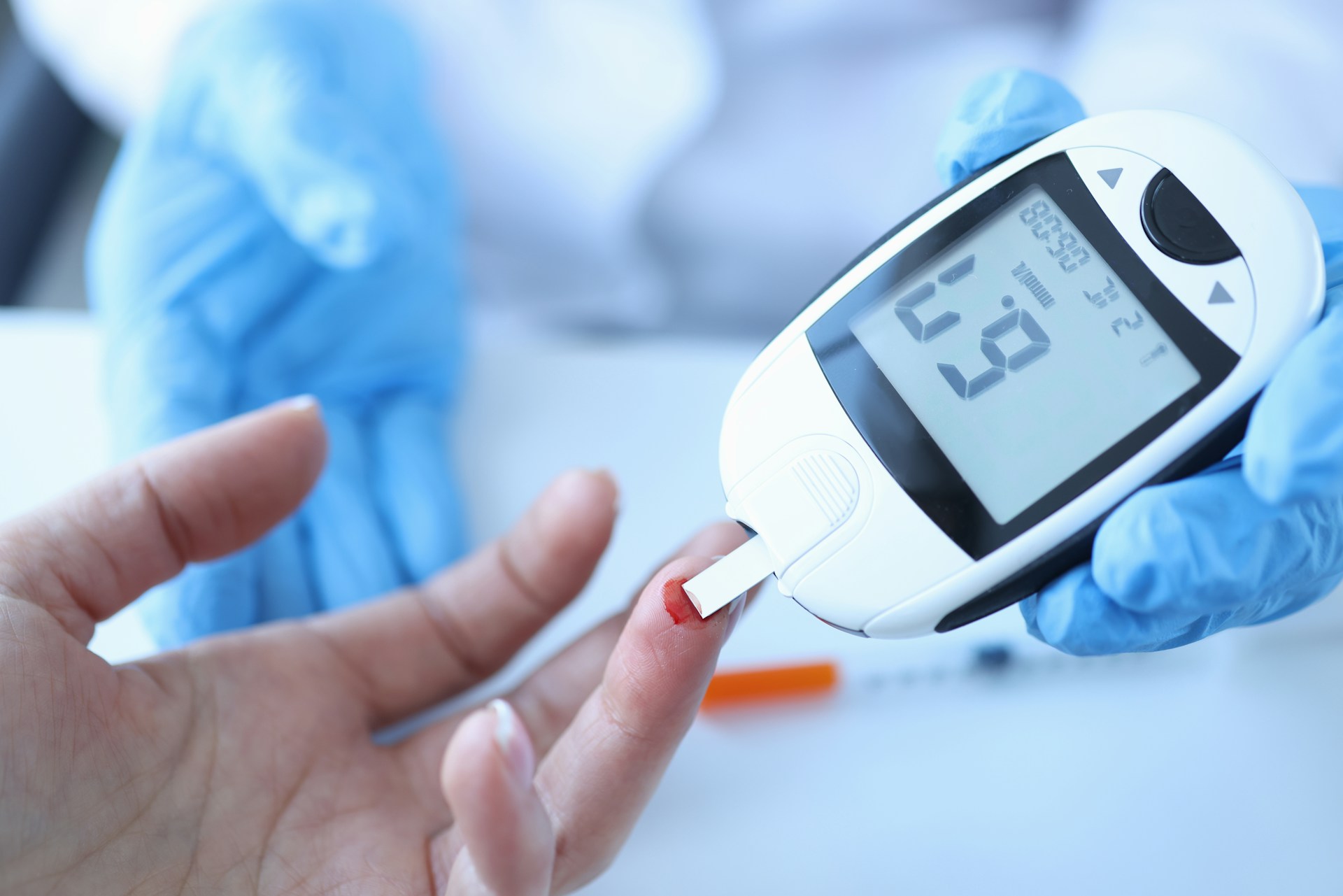
The misconception that “normal weight equals low risk” delays intervention. By the time fasting glucose rises consistently or A1C crosses diagnostic criteria, years of vascular exposure may already have occurred. Cardiovascular disease does not wait for diabetes diagnosis to begin.
Read More: Depression as a Driver of Delayed Medical Care - Examining the True Costs
How Curaechoice Helps
Curaechoice lowers the threshold for early metabolic screening by removing out-of-pocket cost for covered lab testing and physician visits within the network. Patients with subtle symptoms—energy instability, family history, borderline labs—can pursue deeper evaluation without financial hesitation. Nutritional counseling, medication when indicated, and follow-up testing occur consistently rather than sporadically.
Early detection of insulin resistance allows for lifestyle and therapeutic adjustments before pancreatic exhaustion and vascular damage become entrenched. The financial difference between early correction and chronic disease management is substantial. The biological difference is even greater.
Metabolic disease is no longer confined to visible obesity. Insulin resistance can develop quietly in normal-weight adults who assume they are protected. The cost of that assumption accumulates invisibly until laboratory thresholds finally catch up to physiology.
(Sources: American Diabetes Association; National Institute of Diabetes and Digestive and Kidney Diseases)
Want to learn more about Curaechoice? Contact us.