
The short answer
Delayed hearing evaluation in adults is associated with significantly higher overall healthcare costs, greater risk of cognitive decline, and reduced occupational capacity over time. A comprehensive hearing evaluation is one of the least expensive and most consequential tests an adult can schedule — and it is consistently scheduled years later than it should be.
Curaechoice provides access to covered audiologist evaluations, physician visits, specialist referrals, and follow-up care at $0 out-of-pocket cost within the network.
Most adults who develop hearing loss don't notice it happening.
The change is gradual enough that the brain compensates, conversations get a little louder, the television volume creeps up, and the difficulty following group discussions gets quietly filed away as a social preference rather than a medical symptom. By the time someone finally mentions it to a doctor, studies suggest the average adult has been living with measurable hearing loss for somewhere between seven and ten years.
That delay is not simply a quality-of-life issue. It carries a financial cost that extends well beyond the price of a hearing test — and the longer it goes unaddressed, the more expensive the consequences become.
Hearing loss is extraordinarily common.
Approximately 15 percent of American adults report some degree of hearing difficulty, representing more than 37 million people. Age is the strongest predictor, with the highest rates occurring between ages 60 and 69, but significant hearing loss also affects millions of working-age adults exposed to occupational noise, certain medications, or underlying health conditions that affect auditory function. Most of them are not being tested or treated.
The financial case for earlier evaluation starts with what untreated hearing loss does to overall healthcare spending — independent of hearing itself.
A Johns Hopkins University study found that patients with untreated hearing loss generated nearly 26 percent more in total healthcare costs within two years compared to patients without hearing loss. By ten years, that gap had widened to 46 percent, amounting to $22,434 per individual in additional costs. These weren't costs associated with hearing treatment — they were broader healthcare costs accumulated because untreated hearing loss disrupts how people engage with medical care, manage chronic conditions, and navigate health systems. Patients who struggle to follow conversations with physicians miss instructions. Those who find healthcare interactions exhausting start avoiding them. The downstream effect is a pattern of undermanagement that shows up across every other area of health.
What compounds this significantly is the connection between untreated hearing loss and cognitive decline — a link that has become one of the more important findings in preventive medicine over the past decade.
Check Out: Acid Reflux and GERD: Long-Term Effects of Unmanaged Symptoms
Research has found that those with severe hearing impairment had up to five times the risk of developing dementia compared to those without hearing loss, with risk increasing alongside both the severity of hearing loss and the duration it goes untreated. The Lancet Commission identified midlife hearing loss as the leading modifiable risk factor for dementia — meaning it is the single most significant risk factor for dementia that can actually be addressed with intervention. The ACHIEVE study, a multicenter randomized trial involving 977 older adults with untreated hearing loss, found that treating hearing loss with hearing aids slowed the loss of thinking and memory abilities by 48 percent over three years in adults at increased risk for cognitive decline.

Dementia is one of the most expensive conditions in all of healthcare.
The lifetime cost of dementia care for an individual patient can run into hundreds of thousands of dollars, incorporating years of specialist management, in-home care, assisted living, and eventual memory care facilities. A hearing test that identifies loss early, followed by treatment that measurably reduces dementia risk, is not simply a sensory health intervention — it is a financial protection strategy with very long-term implications.
The employment dimension adds another layer that rarely gets factored into cost calculations. One study found that over 18 months, people diagnosed with hearing loss had 33 percent higher medical costs, spending over $14,000 on healthcare compared to approximately $10,000 for individuals with normal hearing over the same period. Beyond direct medical costs, untreated hearing loss affects professional performance, workplace communication, and earning potential. Workers who cannot follow meetings, hear safety alerts, or communicate reliably with colleagues experience real occupational consequences — and those consequences don't always prompt a hearing evaluation. They prompt frustration, withdrawal, and in many cases early disengagement from the workforce.
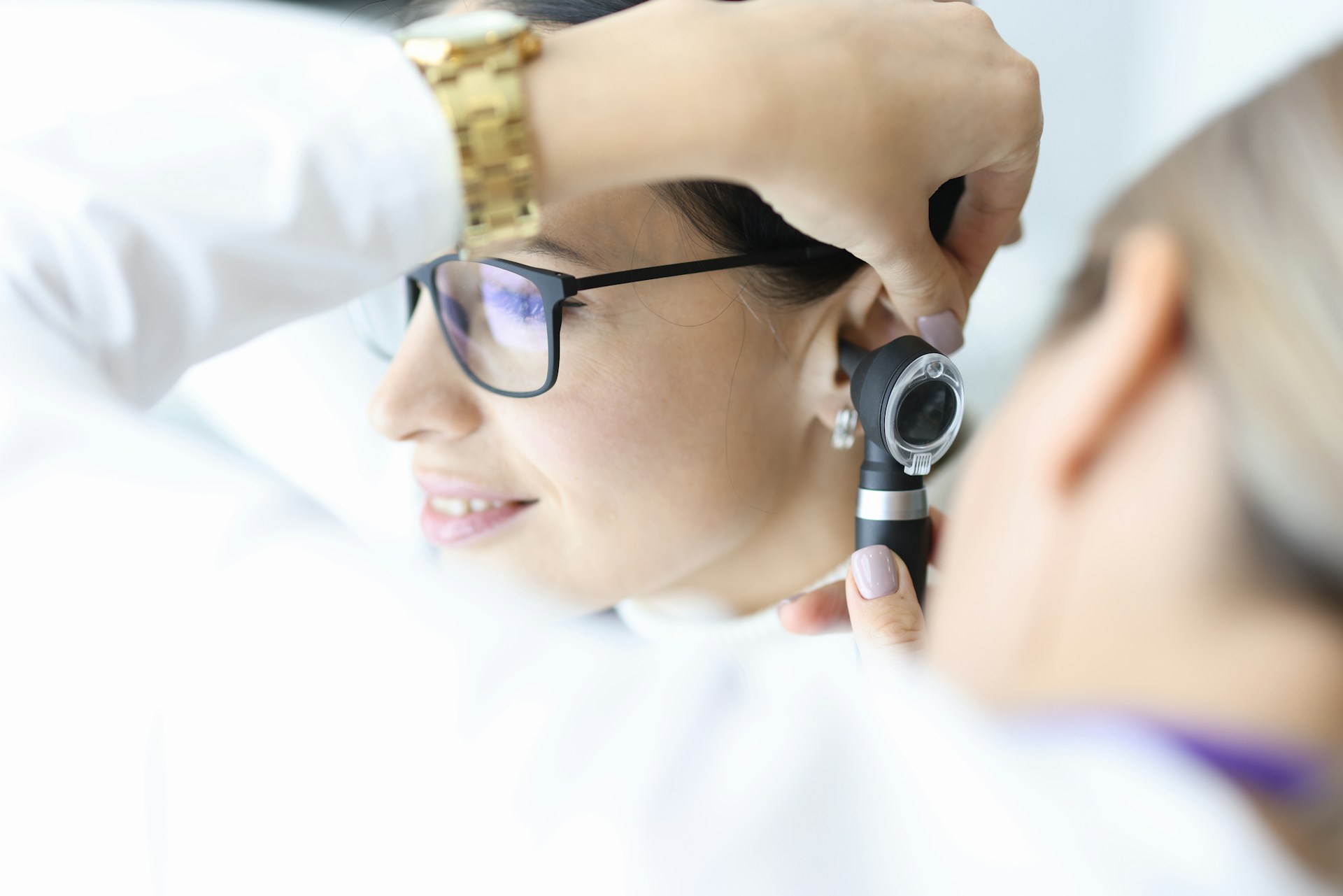
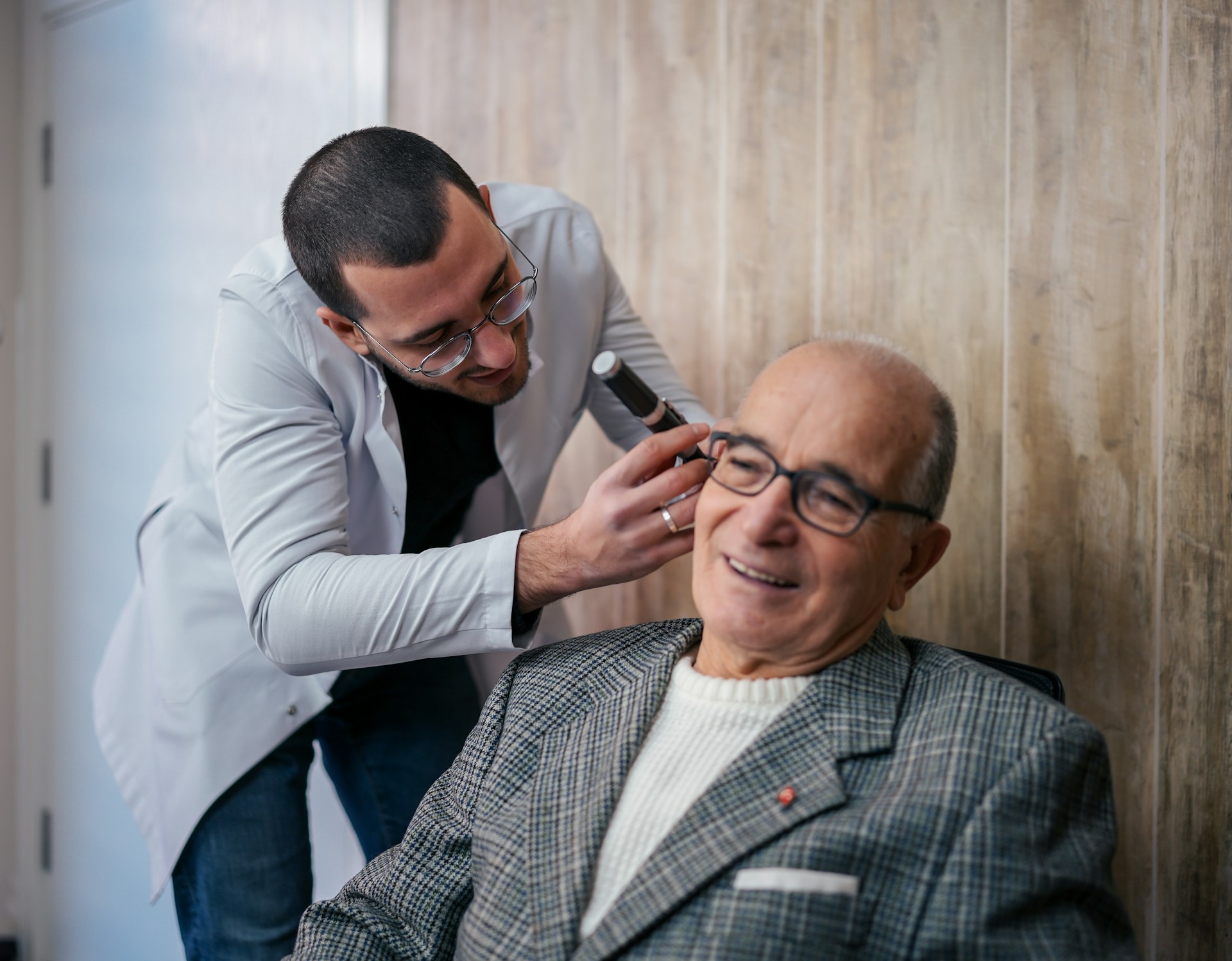
A comprehensive hearing evaluation — audiometry, tympanometry, and in some cases specialist follow-up — is not a complex or expensive test. The evaluation itself is a routine clinical service. What makes hearing loss expensive is not the test. It is the years that pass before the test is taken, during which cognitive strain accumulates, healthcare engagement deteriorates, professional capacity erodes, and the conditions that follow untreated hearing loss take hold at a pace that a timely diagnosis could have slowed.
With a rapidly increasing older adult population, hearing loss cases in the United States are expected to grow from 38 million to 73 million by 2060. Hearing loss in midlife has been estimated to account for 9 percent of dementia cases — a substantial and potentially reversible disease burden given that dementia currently affects 47 million people worldwide.
The financial logic here follows the same pattern as every other delayed diagnosis story: early evaluation is inexpensive, early treatment is manageable, and the costs of waiting are paid across a much longer timeline in amounts that dwarf the original intervention. With hearing loss, the stakes are particularly high because the downstream condition it feeds — cognitive decline — is among the most costly and least reversible in medicine.
Learn More: Kidney Health and Early Renal Screening: Preventing Late-Stage Disease - What Does it Cost?
The cost of waiting
Cost of Hearing Evaluation: Early Testing vs Delayed Diagnosis
- Cost with insurance$0–$75with preventive or specialist coverage. Hearing aids if prescribed: often partially covered; out-of-pocket costs vary by plan. Primary care referral to audiology: standard specialist copay
- Cost without insurance$100–$400depending on provider and tests performed. Hearing aids without coverage: $1,500–$7,000 per pair depending on technology level. Long-term healthcare cost of untreated hearing loss: $22,000+
- Cost with Curaechoice$0for covered physician visits, specialist referrals, audiology evaluations, and follow-up care within the Curaechoice network
How Curaechoice Helps
Curaechoice removes the financial friction that delays hearing evaluations in adults who have already noticed a problem but haven't acted on it. When physician visits and specialist referrals are available at zero out-of-pocket cost within the network, patients can access the early evaluation that prevents a manageable hearing condition from becoming a decade-long driver of cognitive, financial, and medical consequences.
The cost of a hearing test is modest. The cost of the conditions that follow years of untreated hearing loss is not.
Frequently Asked Questions
- How common is untreated hearing loss in adults?
Approximately 15 percent of American adults report some hearing difficulty, and most wait years between noticing a problem and seeking evaluation. Over two-thirds of adults over age 70 have clinically significant hearing loss. - What does a hearing evaluation include?
A comprehensive evaluation typically includes audiometry to measure hearing across frequencies, tympanometry to assess middle ear function, and in some cases speech recognition testing. Results are reviewed with an audiologist or ENT physician. - Does insurance cover hearing tests?
Coverage varies significantly by plan. Some insurance plans cover hearing evaluations as preventive or diagnostic services. Medicare traditionally has limited hearing coverage, though this has been evolving. - How does untreated hearing loss affect overall healthcare costs?
Johns Hopkins research found that patients with untreated hearing loss incurred 46 percent more in total healthcare costs over ten years compared to matched patients without hearing loss — costs unrelated to hearing treatment itself. - What is the connection between hearing loss and dementia?
Multiple studies have established that untreated hearing loss is a significant risk factor for cognitive decline and dementia. The Lancet Commission identified midlife hearing loss as the leading modifiable risk factor for dementia. - Can hearing aids reduce dementia risk?
The ACHIEVE study found that treating hearing loss with hearing aids slowed cognitive decline by 48 percent over three years in older adults at elevated risk. Evidence continues to grow in this area. - At what age should adults get a baseline hearing test?
Most audiologists recommend a baseline evaluation in early adulthood and regular monitoring beginning around age 50, or sooner for anyone with noise exposure, a family history of hearing loss, or noticeable changes in hearing. - Why do adults wait so long to seek hearing evaluation?
Hearing loss develops gradually, making it easy to attribute to other factors. Social stigma around hearing aids, cost uncertainty, and the absence of pain also contribute to extended delays before seeking care. - Does hearing loss affect work performance?
Yes. Untreated hearing loss affects the ability to follow meetings, respond to workplace communication, and engage reliably with colleagues and supervisors — with real consequences for professional performance and career trajectory. - What happens if hearing loss is never treated?
Ongoing cognitive strain, accelerated cognitive decline, greater risk of dementia, social isolation, reduced healthcare engagement, and higher overall medical costs accumulate over time when hearing loss goes unaddressed.
Key Specifications
Primary Issue: Delayed hearing evaluation and untreated adult hearing loss
Cost Driver: Gradual onset, social stigma, cost uncertainty, and absence of pain delay testing
Clinical Impact: Cognitive decline, increased dementia risk, reduced healthcare engagement
Financial Impact: Untreated hearing loss associated with $22,434 in additional costs over ten years; hearing evaluation: $100–$400
Best Approach: Baseline audiological evaluation, early treatment when loss is identified, consistent follow-up
Expert summary
Hearing loss is one of the most common and most undertreated conditions in adult healthcare — and one of the most consequential to delay. The cost of evaluation is low, the cost of early intervention is manageable, and the downstream conditions that follow years of untreated hearing loss — particularly cognitive decline and dementia — are among the most expensive outcomes in all of medicine.
Curaechoice supports earlier hearing evaluation and treatment by providing covered physician visits, specialist referrals, audiological assessments, and follow-up care at $0 out-of-pocket cost within the network — addressing a condition that almost always gets diagnosed far later than it should.
Sources: Radiological Society of North America; Kaiser Family Foundation