

Tom was 47 when his doctor suggested a cholesterol panel “just to check in.”
He almost skipped it.
He exercised a few times a week, didn’t smoke, and felt generally healthy. More importantly, the last time he’d had blood work done, it came with a bill he hadn’t expected. Nothing catastrophic, but enough to make him wary. He told himself he’d do it next year, when things were less busy and maybe a little more predictable financially.
Six months later, Tom landed in the emergency room with chest tightness that turned out not to be a heart attack—but it was close enough to get his attention. The labs he’d postponed told a clearer story than he expected. His cholesterol had been climbing for years. His blood pressure was higher than he realized. None of it was new. It just hadn’t been caught early enough to feel manageable.
Heart disease is often described as sudden and dramatic, but most of the time it is anything but. It develops quietly, over years, shaped by small changes that are easy to miss and even easier to ignore when care feels inconvenient or expensive.
Why does heart disease so often go unnoticed
Heart disease remains the leading cause of death in the United States, yet many people don’t associate it with how they feel day to day. There is no single symptom that reliably signals risk in the early stages. Blood pressure can rise slowly. Cholesterol can drift upward without causing pain. Inflammation builds silently.

For many adults, especially those juggling work and family, preventive care drops lower on the priority list unless something feels urgent. When cost enters the picture, even routine screenings start to feel optional. The irony is that heart disease is one of the most preventable and cost-sensitive conditions in medicine—when it’s addressed early.
Also Read: When Healthcare Works Together
The screenings that matter most
Preventive heart care is built around a small set of well-established screenings. Blood pressure checks, lipid panels, and glucose monitoring provide an enormous amount of information about cardiovascular risk. For some people, additional tests such as coronary calcium scoring or stress testing may be appropriate based on age, family history, or symptoms.
These screenings are not complex. They are widely available, relatively inexpensive in the context of medical care, and highly effective at identifying risk long before a cardiac event occurs. When done regularly, they allow clinicians to recommend targeted lifestyle changes or medications that can dramatically reduce the likelihood of heart attack or stroke.
The problem is not that these tools don’t exist. It’s that many people don’t use them consistently.
How lifestyle fits into prevention
Lifestyle changes are often framed as vague or overwhelming, but in heart disease prevention they tend to be specific and incremental. Small reductions in blood pressure or cholesterol can translate into meaningful risk reduction over time. Improving sleep, adjusting diet, increasing daily movement, and managing stress all play a role.

When risk is identified early, these changes are more effective and easier to sustain. A person who knows their numbers is more likely to make adjustments that matter. A person who doesn’t may not realize there’s anything to address until intervention becomes urgent.
What happens when prevention is delayed
When heart disease is caught late, care becomes more invasive and far more expensive. Emergency room visits, hospital admissions, imaging, procedures, and long-term medication regimens quickly add up. Recovery from a cardiac event often involves time away from work, cardiac rehabilitation, and ongoing monitoring.
Beyond the direct medical costs, there are ripple effects. Families adjust schedules. Income may be disrupted. Anxiety around health becomes part of daily life. These costs are rarely anticipated when preventive care is postponed.
Most cardiovascular spending occurs after disease is well established. Prevention costs less not because it is minimal, but because it works.
Why do people hesitate even when they know prevention matters
Many adults understand the importance of heart health. What stops them is not disbelief but friction. Scheduling appointments takes time. Labs feel inconvenient. And uncertainty about cost looms large.
High-deductible plans and inconsistent coverage for preventive services create a situation where people second-guess even sensible care. One unexpected bill can lead to years of avoidance. Over time, this hesitation becomes habitual.

Heart disease rarely offers a clear warning before it demands attention. By the time symptoms appear, damage may already be underway. Intervening at that point is still worthwhile, but it is rarely simple or inexpensive.
Preventive care works best when it feels routine rather than reactive. That requires systems that support early action instead of penalizing it.
Learn about: CT Scans Costs
What changes when cost is no longer the barrier
When people know they can get screened without financial risk, behavior shifts. They keep appointments. They follow trends over time. They engage with their health in a way that feels proactive rather than defensive.
This shift has measurable effects. Earlier identification of risk leads to fewer emergency events, fewer hospital stays, and lower long-term costs for both individuals and families.
How Curaechoice supports heart disease prevention
One of the biggest obstacles to heart disease prevention is hesitation—hesitation driven by cost uncertainty and past experiences with surprise bills. When people are unsure what care will cost, they delay even simple screenings.
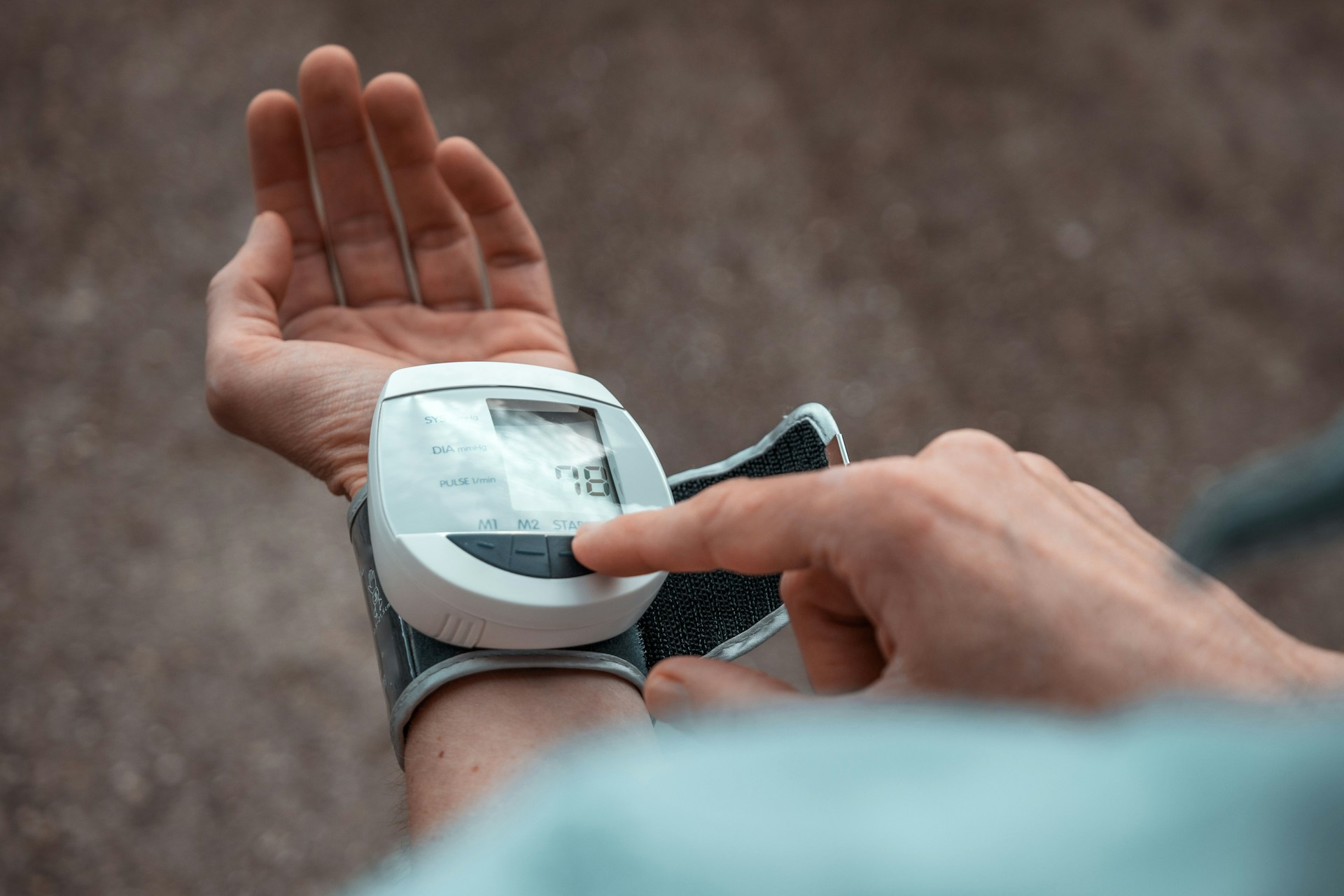
Curaechoice is designed to remove that uncertainty. By providing access to preventive care without deductibles, copays, or coinsurance, Curaechoice allows members to focus on early detection and risk reduction instead of worrying about the financial impact of routine care.
With easier access to blood pressure monitoring, cholesterol testing, and primary care visits, members are more likely to identify cardiovascular risk before it becomes urgent. That early engagement supports lifestyle changes, appropriate treatment, and long-term heart health—while avoiding the steep costs associated with late-stage cardiac care.
Heart disease does not have to be sudden, and it does not have to be financially overwhelming. When preventive care is accessible and timely, it becomes one of the most effective ways to protect both health and household budgets over the long run.
The financial difference between early and late heart care
The contrast between early prevention and late intervention is stark.
Cost with insurance: Preventive screenings and routine monitoring may involve modest out-of-pocket costs, depending on plan design. Advanced cardiac care, including hospitalizations and procedures, can result in thousands of dollars in patient responsibility even with coverage.
Cost without insurance: Diagnostic testing, emergency care, and cardiac procedures can be financially devastating, with bills escalating rapidly.
Cost with Curaechoice: Early screenings, primary care visits, and preventive services are accessible without the financial hesitation that often leads to delay, supporting heart health before costly interventions are needed.
(Sources: American Heart Association; CDC)
*The example described above is a composite scenario intended to illustrate common healthcare experiences. It does not represent a specific individual.