
The short answer
A full-body skin cancer screening typically costs between $120 and $300 without insurance and is covered as preventive care under many insurance plans. The financial case for routine screening is straightforward: early-stage skin cancer treatment costs a fraction of what late-stage disease requires, and the five-year survival rate for melanoma caught before it spreads is approximately 99 percent.
Curaechoice provides access to covered dermatology screenings, physician visits, specialist referrals, and follow-up care at $0 out-of-pocket cost within the network.
Skin cancer is the most common cancer diagnosed in the United States.
By most estimates, more Americans are diagnosed with skin cancer each year than with all other cancers combined. About one in five Americans will develop some form of it during their lifetime. And yet for many adults, a dedicated full-body skin examination remains something that happens once — maybe — after a concerning mole catches their attention, rather than something built into an annual routine.
The gap between how common skin cancer is and how rarely people seek proactive screening is largely explained by one thing: the absence of discomfort. Unlike many serious conditions, early-stage skin cancer doesn't hurt. A basal cell carcinoma can sit on a person's back for years without causing pain. A melanoma developing on the scalp may go unnoticed for a long time. The body does not sound an alarm, and without an alarm, the urgency to schedule a dermatology appointment never quite materializes.
That delay is where the financial exposure begins.
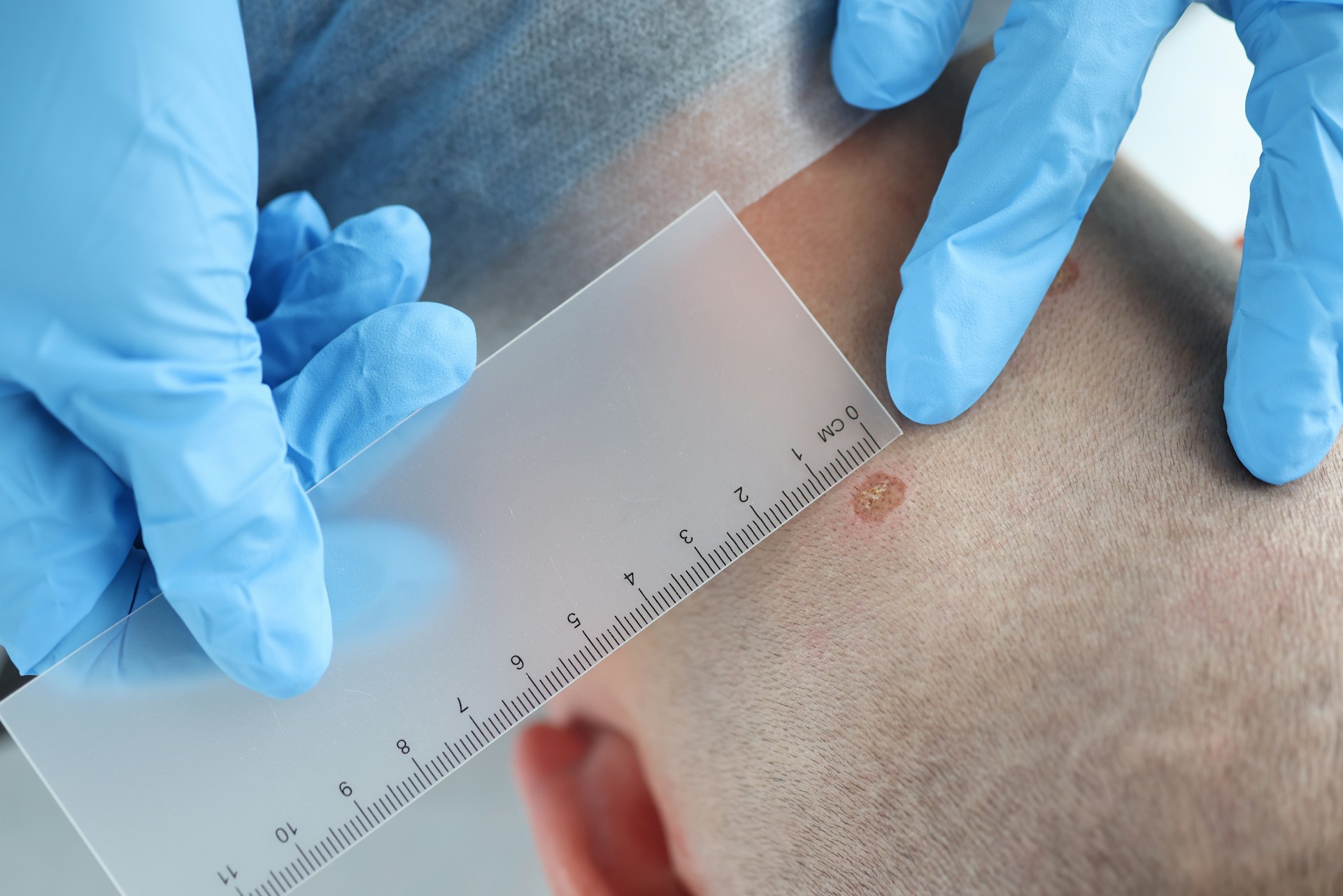
A routine full-body skin cancer screening performed by a dermatologist is one of the most straightforward examinations in medicine. The average cost of a full-body check ranges between $120 and $300, and health insurance policies often cover annual preventive screenings, though coverage varies by plan. The exam itself typically takes only a few minutes. The dermatologist examines the skin for unusual moles, growths, or changes in texture, color, or shape. If something looks concerning, a biopsy is taken. If nothing looks suspicious, the patient leaves with a baseline record and a follow-up date.
Check Out: Acid Reflux and GERD: Long-Term Effects of Unmanaged Symptoms
That is the full cost of a screening that catches nothing — a modest visit fee and a few minutes of time. The cost of a screening that catches something early is only marginally higher, because early-stage skin cancer treatment is typically limited to local removal of the lesion.
The cost of not screening, and discovering a problem late, is categorically different.
A 2025 cost analysis found that treatment costs for stage IV melanoma were 22.5 times higher than those for stage I melanoma. The practical meaning of that multiplier is significant. A melanoma caught at stage I — before it has grown deep into the skin or spread to nearby tissue — is treated with a relatively simple surgical excision. A melanoma caught at stage III or IV involves immunotherapy, targeted systemic drug therapy, possible lymph node surgery, long-term oncology management, and in many cases, palliative care. Research has consistently found that initial and terminal phase treatment costs are two to six times higher among patients diagnosed with distant-stage disease compared with those diagnosed at the local stage.
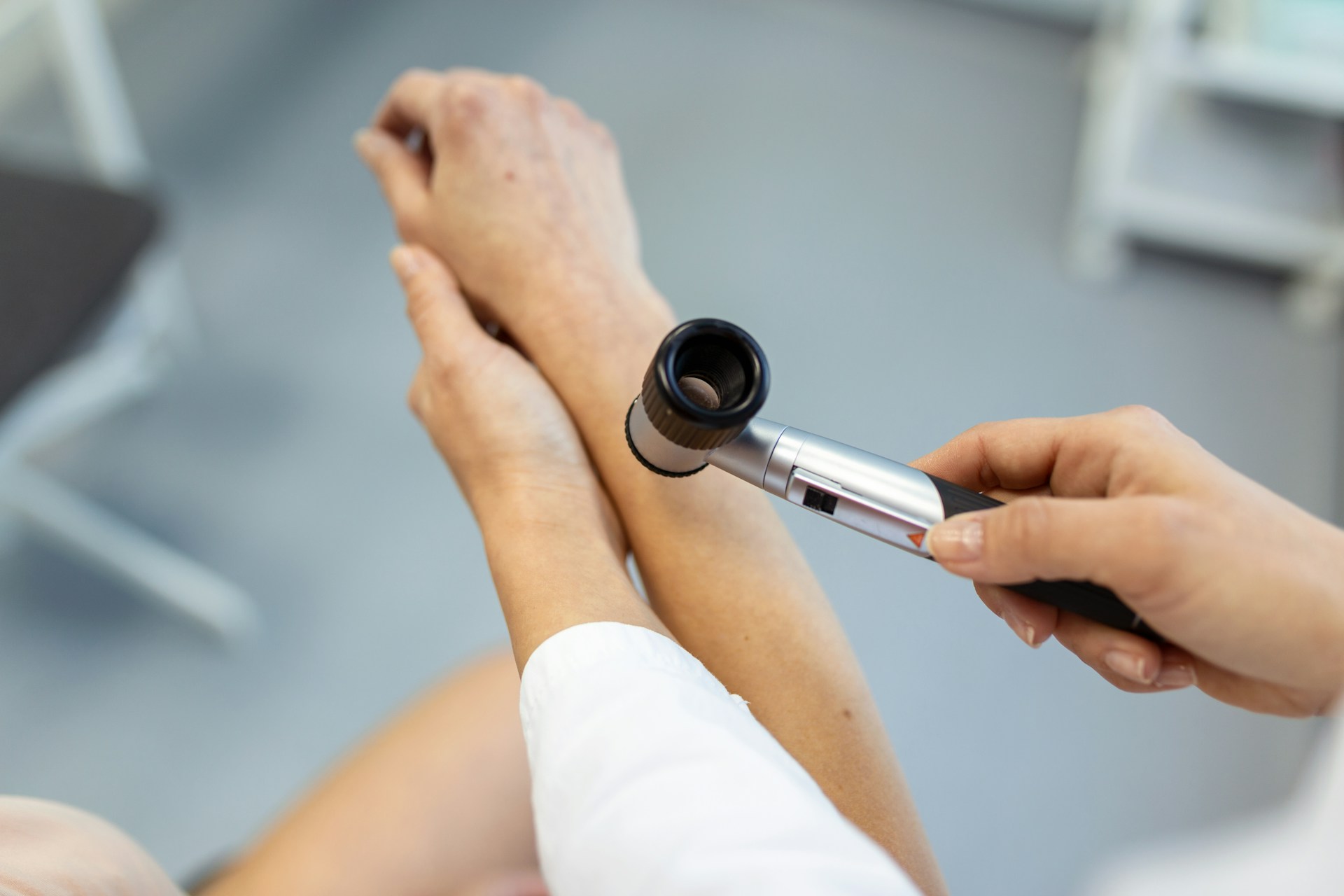
The biology of melanoma is what makes screening timing so financially critical. Melanoma is one of the few cancers where stage at detection has an almost direct line to both survival odds and treatment cost. When melanoma is detected before it spreads to the lymph nodes, the five-year survival rate is approximately 99 percent. Once it reaches distant organs, that figure drops sharply. The same disease, diagnosed at different moments in its progression, produces radically different clinical and financial outcomes.
Basal cell carcinoma and squamous cell carcinoma — the two most common forms of skin cancer — rarely spread and are usually resolved with local treatment when caught early. But even these can become significantly more complex and expensive when left undetected for extended periods. Lesions that grow larger or deeper require more extensive removal, potential reconstructive work, and longer recovery. What begins as a simple outpatient procedure when caught early can become a surgical event with follow-up care when ignored.
The cost structure of dermatology visits also varies considerably depending on where the screening happens. Board-certified dermatologists often charge more than general practitioners, and costs may be higher at hospital-based dermatology clinics than at independent offices due to facility fees. This mirrors the same dynamic seen in other outpatient services — the clinical interaction is the same, but the institutional overhead surrounding it changes the bill.
Insurance coverage adds its own layer of variability. Many plans cover skin cancer screenings as preventive care, meaning no out-of-pocket cost for the patient. Others apply the visit toward a deductible, which can make a routine screening feel more expensive in the moment than it actually is over the course of a year. Patients who skip screenings because of uncertainty about what they'll be charged are, in effect, trading a predictable and modest cost for the risk of an unpredictable and potentially very large one later.
Research examining melanoma treatment costs across all stages has found that costs were consistently highest among patients diagnosed with late-stage disease and during the initial and terminal phases of care, with aggregate treatment costs generally highest in the outpatient setting and per-patient costs highest during inpatient hospitalizations.
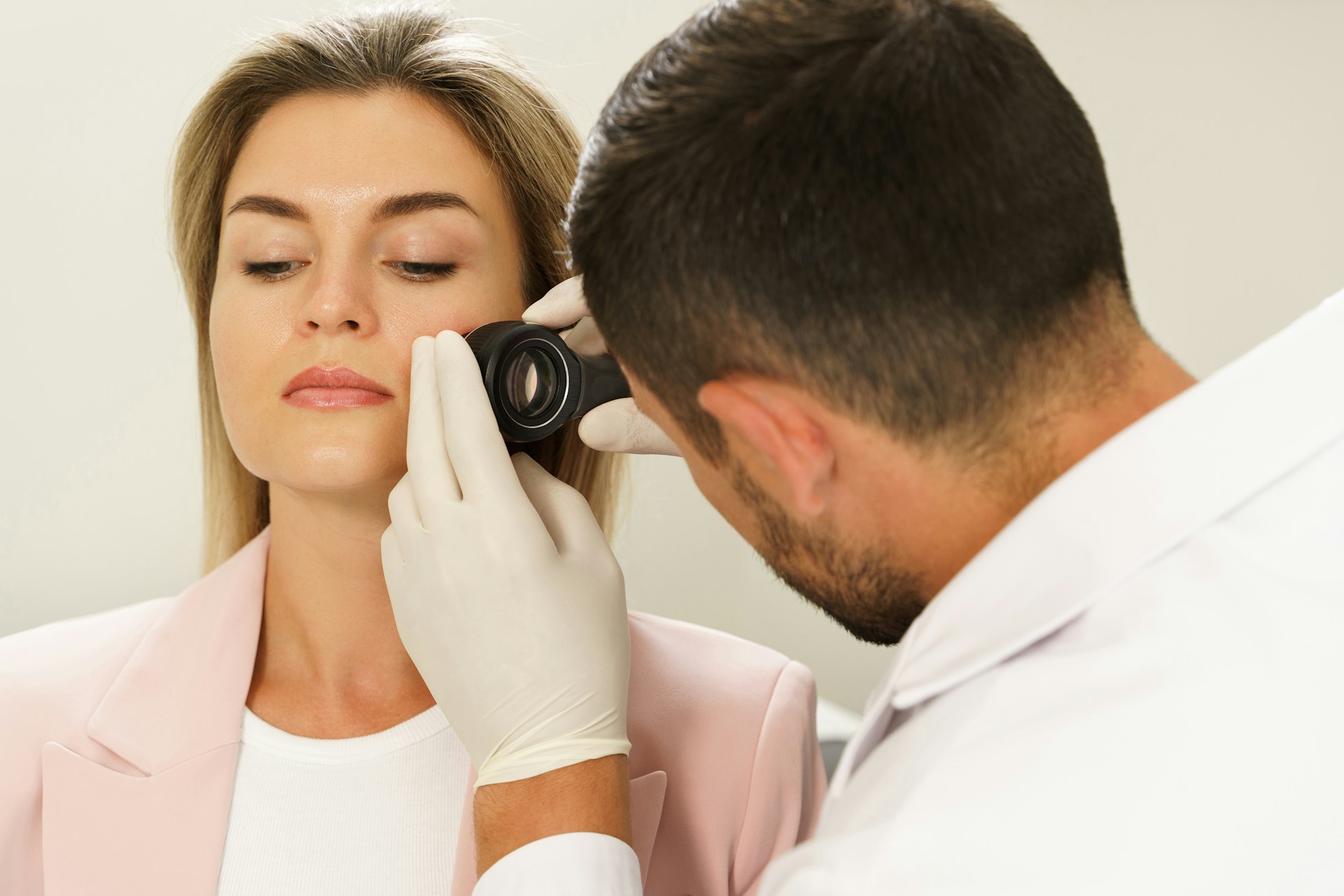
The arithmetic of skin cancer screening is unusually clear compared to many other areas of preventive healthcare. A screening that costs a few hundred dollars and finds nothing still produces value — a confirmed baseline, a professional assessment, and another year of documented skin health. A screening that finds something early converts a potentially life-threatening and financially devastating diagnosis into a manageable outpatient procedure. The cost of the screening itself is the same either way.
What changes everything is when the screening doesn't happen at all.
The cost of waiting
Cost of Skin Cancer Screening: Early Detection vs Late-Stage Treatment
- Cost with insurance$0–$50with preventive care coverage. Biopsy if needed: $100–$400 depending on complexity and lab fees. Most insurance plans cover annual preventive dermatology screenings
- Cost without insurance$120–$300.Biopsy and pathology: $150–$600 additional. Early-stage melanoma treatment: $1,500–$5,000. Late-stage melanoma treatment: $50,000–$200,000+ depending on stage, therapies required, and duration of care
- Cost with Curaechoice$0for covered dermatology visits, screenings, specialist evaluations, and follow-up care within the Curaechoice network
How Curaechoice Helps
Curaechoice removes the cost uncertainty that causes patients to delay dermatology screenings. When a full-body skin examination, follow-up biopsy, and specialist evaluation are available at zero out-of-pocket cost within the network, the financial barrier that keeps people from booking the appointment disappears. A condition that is almost entirely manageable when caught early becomes dramatically more expensive — and more dangerous — when the screening that would have caught it never gets scheduled.
Learn More: Kidney Health and Early Renal Screening: Preventing Late-Stage Disease - What Does it Cost?
Frequently Asked Questions
What happens during a skin cancer screening? A dermatologist examines the entire body surface for unusual moles, lesions, or skin changes. If something looks suspicious, a small biopsy is taken and sent to a lab for evaluation.
How often should adults get screened for skin cancer? Most dermatologists recommend annual full-body screenings, particularly for adults with fair skin, a history of sun exposure, a family history of melanoma, or a large number of moles.
Does insurance cover skin cancer screenings? Many insurance plans cover annual skin cancer screenings as preventive care. Coverage varies by plan, so checking with the insurer before scheduling is advisable.
What does a biopsy cost if something suspicious is found? Biopsy and pathology fees typically range from $150 to $600 depending on the complexity of the sample and the lab involved, separate from the screening visit itself.
Is melanoma always visible to the patient? Not always. Melanomas can develop in areas that are difficult to self-examine, including the scalp, back, and between the toes. Professional screening catches lesions patients cannot easily see themselves.
What is the survival rate for melanoma caught early? When melanoma is detected before spreading to lymph nodes, the five-year survival rate is approximately 99 percent. That rate drops significantly at later stages.
Are basal cell and squamous cell carcinomas less serious than melanoma? They are generally less aggressive and rarely spread, but they can still cause significant local damage and require more complex treatment if left undetected for a long time.
Can a primary care doctor perform a skin cancer screening? Yes, though a board-certified dermatologist has more specialized training in identifying early skin changes. For high-risk patients, a dermatology referral is standard.
What factors affect the cost of a skin cancer screening? Provider type, facility setting, insurance coverage, geographic market, and whether a biopsy is needed all influence the final cost.
Why do patients delay skin screenings even when they're concerned? Cost uncertainty, difficulty booking dermatology appointments, and the absence of pain or discomfort from early lesions are the most commonly cited reasons for delay.
Key Specifications
Primary Issue: Delayed or absent skin cancer screening in adults
Cost Driver: No symptoms in early stages; cost uncertainty around dermatology visits.
Clinical Impact: Late-stage diagnosis requiring systemic therapy, surgery, and long-term oncology care.
Financial Impact: Screening: $120–$300. Late-stage melanoma treatment: $50,000–$200,000+.
Best Approach: Annual full-body dermatology screening, early biopsy when indicated, consistent follow-up.
Expert summary
Skin cancer is almost uniquely well-suited to early detection because it is, by definition, visible. A dermatologist examining the surface of the skin can identify changes that a patient cannot see themselves — and catching those changes early is the difference between a brief outpatient procedure and a prolonged, expensive, and life-altering treatment course. The cost of the screening is modest. The cost of the alternative is not.
Curaechoice supports routine dermatology screening and early cancer detection by providing covered physician visits, specialist evaluations, biopsies, and follow-up care at $0 out-of-pocket cost within the network — keeping a highly detectable and highly treatable condition from becoming something far more serious.
(Sources: Radiological Society of North America; Kaiser Family Foundation; Healthcare Bluebook)