

Knee pain is a slow thief. It steals mobility first—then energy, confidence, and the joy of simply moving through life.
For millions of Americans, the culprit is osteoarthritis, the gradual breakdown of cartilage that cushions the bones of the knee joint.
What begins as stiffness in the morning or soreness after exercise eventually becomes constant pain, swelling, and grinding. Climbing stairs, kneeling, or even walking short distances turns into a test of endurance. When pain medication, injections, and physical therapy no longer help, many people face the decision that changes everything: knee replacement surgery.
A total knee replacement, or total knee arthroplasty, replaces the worn-out joint surfaces with artificial components made of metal and high-grade plastic. The surgeon removes damaged cartilage and a thin layer of bone, shapes the ends of the femur and tibia, and attaches the prosthetic pieces that form a new, smooth joint. In some cases, the underside of the kneecap is also resurfaced to ensure even motion. The procedure usually lasts about two hours and is performed under spinal or general anesthesia.
Advances in surgical technique have made recovery faster and outcomes more predictable.
Many hospitals now use computer navigation or robotic assistance to ensure precise alignment, improving long-term durability and reducing complications. The surgery itself is only part of the story—the true success unfolds in the weeks that follow.

Within hours after the procedure, patients begin standing and walking with support.
Physical therapy starts the same day to retrain muscles and prevent stiffness. The first two weeks are the most challenging, marked by swelling, fatigue, and the strange sensation of relearning how to move a joint that feels both foreign and familiar. But each day brings measurable progress. By four to six weeks, most people walk without assistance and regain enough confidence to return to work or daily routines. Full recovery takes three to six months, and modern implants often last 20 years or more.
For patients who endure years of chronic pain, the change is life-altering. Many describe waking up after surgery and realizing, for the first time in years, that the constant ache is gone. Rehabilitation becomes an act of renewal. They start biking again, gardening, or simply sleeping through the night without pain. It’s a second chance at normal life.
Also Read: Diabetes Warning Signs You Should Never Ignore
Unfortunately, the cost of that transformation can be crushing.
The average total cost for knee replacement surgery in the United States ranges from $35,000 to $70,000, depending on location, hospital type, and implant choice. Even insured patients with high-deductible health plans face thousands of dollars in out-of-pocket expenses. Typical deductibles run from $2,000 to $7,000, followed by 20 percent coinsurance for the remainder of the bill. Then there are the separate charges: surgeon fees, anesthesiology, physical therapy, hospital stay, and post-operative medications.
The financial complexity often leaves patients feeling blindsided.
A person might pay the hospital bill only to receive additional invoices weeks later—from the lab that processed tests, the supplier that provided the implant, or the therapist who handled rehab sessions. Even those who planned carefully find themselves managing surprise costs long after recovery. For someone already navigating limited mobility and time off work, the stress can be overwhelming.

The lack of price transparency compounds the issue. Hospitals just miles apart can charge double for identical procedures. Factors such as regional labor costs, device contracts, and billing codes make side-by-side comparison nearly impossible. For many families, the fear of unexpected bills outweighs the pain itself. Some delay surgery for years, relying on braces or cortisone injections while arthritis worsens. Others live with constant pain simply because they can’t afford to fix it.
But postponing surgery carries hidden costs.
As knee degeneration progresses, muscles weaken, balance declines, and the risk of falls increases. Prolonged immobility also contributes to weight gain, cardiovascular strain, and depression. The longer a person waits, the harder recovery becomes, and the more expensive the treatment when it finally happens. What begins as a financial decision often turns into a health crisis.
That’s the cycle Curaechoice was designed to break.
Under the Curaechoice model, members who need orthopedic evaluation or joint replacement can access all necessary services—imaging, consultations, surgery, rehabilitation—at zero out-of-pocket cost. The member pays nothing for hospital stays, anesthesia, or therapy. Each stage is pre-coordinated, so there are no separate bills from multiple providers and no confusion about what’s covered.
In a system where most patients navigate care alone, Curaechoice functions as both guide and safety net.
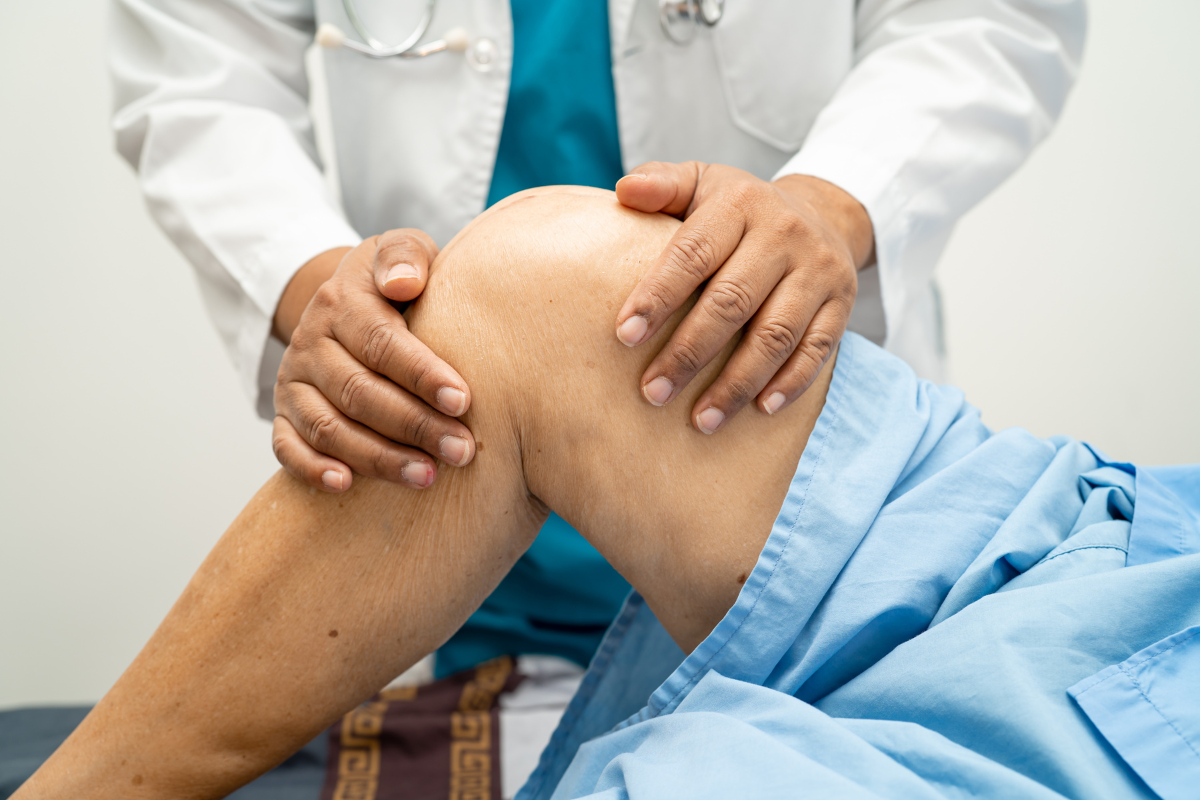
Care navigators schedule procedures, coordinate specialists, and ensure every piece of the process connects smoothly. If a patient’s primary-care doctor suspects advanced arthritis, Curaechoice arranges imaging and specialist referrals. Once surgery is scheduled, post-operative therapy and medication management are built in. The member never has to chase paperwork or guess at coverage—they simply heal.
Employers also see measurable returns.
Musculoskeletal disorders are among the top drivers of healthcare costs and lost productivity in the workplace. Chronic knee pain leads to missed days, early retirement, and long-term disability claims. By removing cost barriers and simplifying coordination, Curaechoice helps employees return to work sooner and in better shape. Employers gain a healthier, more active workforce and a direct reduction in claims spending.
Learn About: Maximum Out-of-Pocket vs Deductible
The difference shows up in stories more than statistics.
Take the example of a 59-year-old employee who had endured knee pain for a decade, putting off surgery because he feared the bills. Under Curaechoice, he scheduled his replacement within weeks. The procedure, physical therapy, and medications were fully covered. Three months later, he was walking four miles a day and back at work full-time. What had once seemed financially impossible became simply healthcare as it should be—accessible, efficient, and humane.

The emotional relief is just as significant as the physical one.
People recovering from knee replacement often describe not only freedom from pain but also a deeper sense of control—an end to the uncertainty that comes with navigating the traditional insurance maze. Curaechoice removes the fear of cost so members can focus on what truly matters: recovery, strength, and the return to a normal life.
Knee replacement surgery is one of medicine’s greatest success stories.
It restores mobility, independence, and quality of life for millions each year. But those gains shouldn’t come with financial hardship or years of hesitation.
Curaechoice ensures they don’t.
By combining zero-cost coverage with coordinated, compassionate care, it transforms an intimidating medical decision into a confident step toward health. In a system that too often measures access by affordability, Curaechoice redefines the equation—making every step forward one free from pain, worry, and debt.
Want to learn more about Curaechoice? Contact us.