

Few medical tests inspire as much anxiety as the MRI—not because it’s painful, but because of what it often represents: a crucial test that can finally reveal what’s been causing symptoms.
Whether it's pain, dizziness, or other unexplained symptoms, an MRI can provide important answers.
The machine itself is a marvel of modern medicine, using magnetic fields and radio waves to create highly detailed images of the body’s internal structures. But while MRI scans are essential for diagnosing everything from torn ligaments to brain tumors, the cost can vary wildly.
For many patients, the financial stress begins long before the scan itself.
Magnetic resonance imaging (MRI) allows doctors to see soft tissues that X-rays and CT scans can’t. It’s used to examine the brain, spine, joints, heart, and organs in incredible detail.
Unlike X-rays, MRI doesn’t use ionizing radiation, which makes it a safer long-term diagnostic tool—especially for younger patients or those who need repeat imaging. The process takes anywhere from 15 minutes to over an hour, depending on what part of the body is being scanned and whether contrast dye is used to enhance the images.
Costs Can Be a Concern
Despite how common MRIs have become, their pricing remains one of the most confusing areas in healthcare.
In the United States, the cost of an MRI can range from as little as $400 at an outpatient imaging center to over $4,000 in a hospital setting. Even within the same city, two facilities can charge vastly different prices for identical scans. The variation depends on the type of MRI, whether contrast is used, and—most significantly—where the scan takes place.
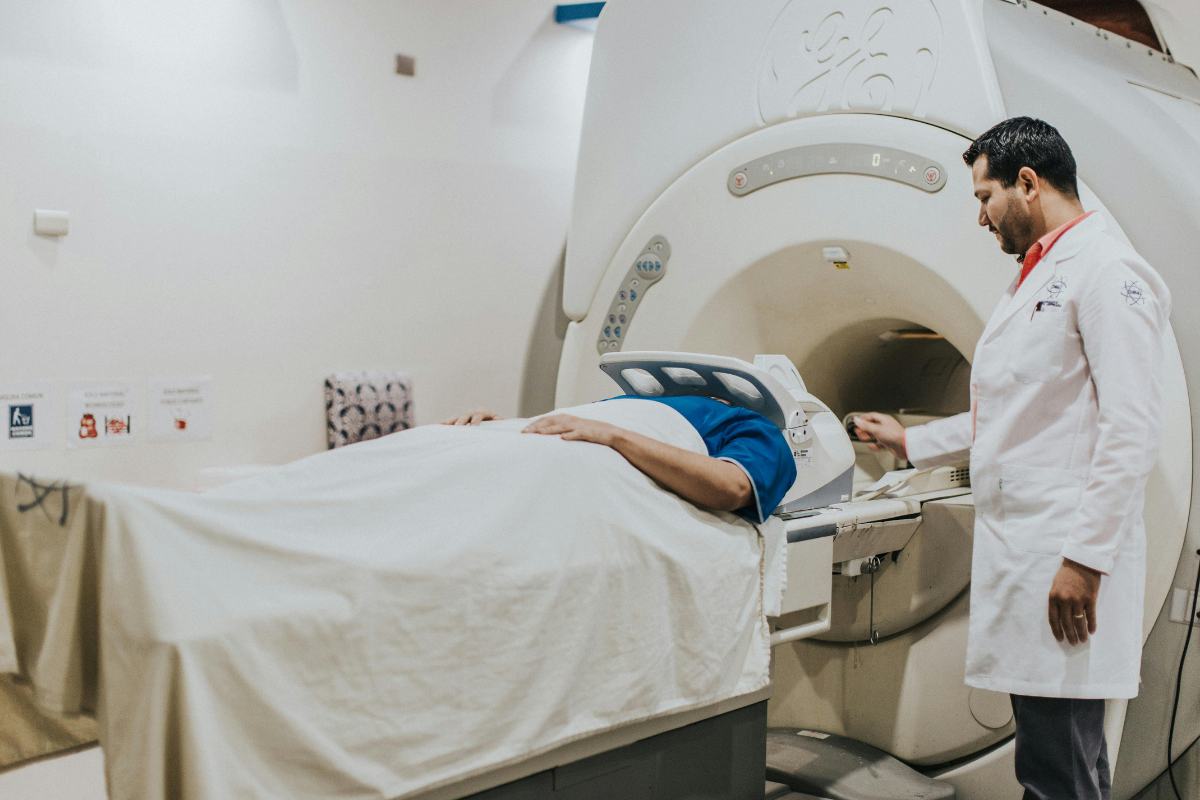
Hospitals tend to charge the highest rates because they bundle costs like facility fees, technician time, and equipment depreciation into one large bill.
Independent imaging centers are often far less expensive, but patients may not know those options exist or may be referred automatically to hospital-based facilities. Insurance coverage adds another layer of complexity. Many plans apply MRI scans toward the deductible, meaning patients must pay thousands of dollars before coverage even begins.
For those on high-deductible insurance plans, the price of a single MRI can equal several months of income.
Even with “good” insurance, coinsurance rates of 20 to 30 percent can leave patients paying hundreds—or thousands—out of pocket. Add to that the uncertainty of whether a pre-authorization is required, and the process becomes intimidating enough that many people simply avoid getting the test at all.
Learn About: What to Expect with Appendicitis
The Consequences of Delaying an MRI
That hesitation can have serious consequences.
MRIs often detect problems early—small tumors, spinal issues, joint damage, or neurological changes that other imaging might miss. Delaying a scan can lead to worsened symptoms, missed diagnoses, and more invasive (and expensive) treatments later.
What begins as a financial decision quickly becomes a health risk.
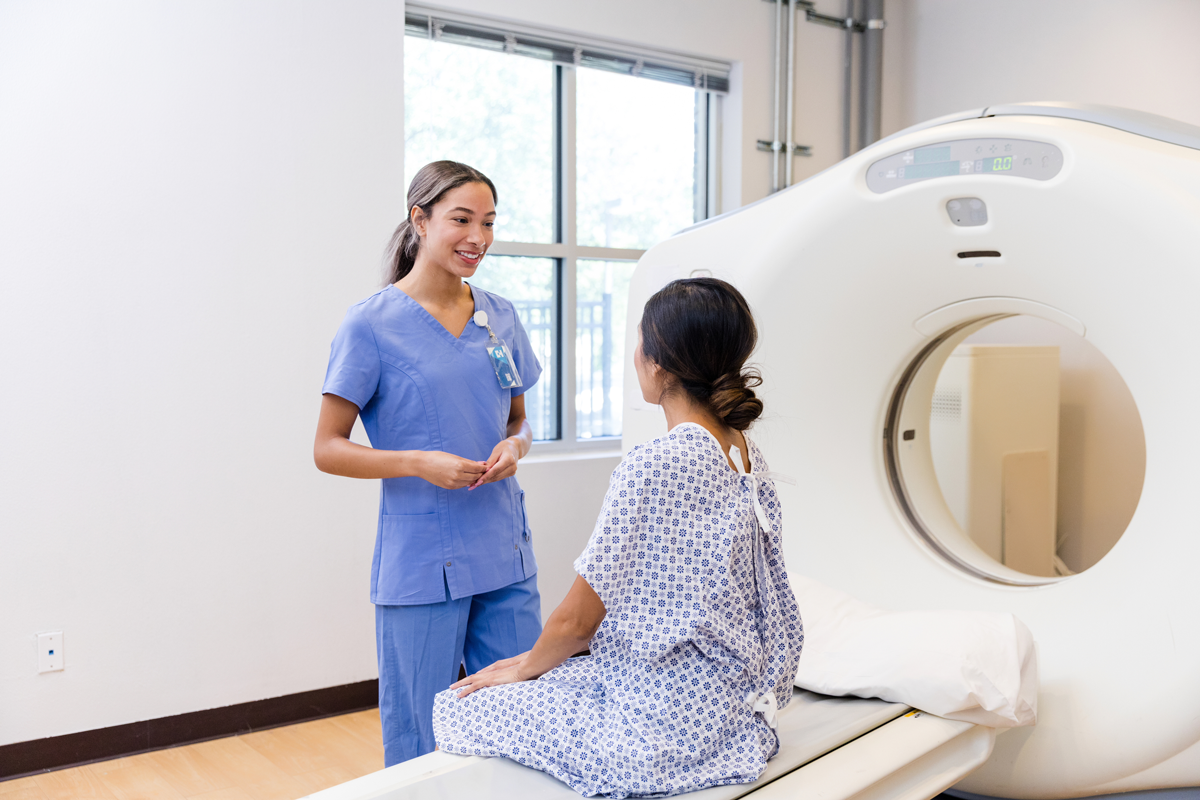
The situation illustrates one of healthcare’s most persistent contradictions: the technology exists to prevent disease and improve outcomes, but cost and access prevent many from using it.
Employers see the downstream effects, too. When employees delay imaging, recovery from injuries takes longer, chronic pain worsens, and absenteeism rises. In self-insured workplaces, those untreated conditions drive up long-term claims costs.
Curaechoice solves the problem at its root.
Curaechoice members can receive MRI scans through a coordinated national network at zero out-of-pocket cost. There are no copays, no deductibles, and no billing confusion.
Imaging is ordered through Curaechoice-approved providers, ensuring members always know where to go and what to expect. For the patient, that means no phone calls to check coverage, no waiting for insurance authorization, and no sticker shock afterward.
Because all care happens within a connected network, results flow automatically to the physicians who need them. This prevents duplicate imaging and accelerates treatment.
For example, an employee with persistent knee pain might first visit their Curaechoice primary provider.
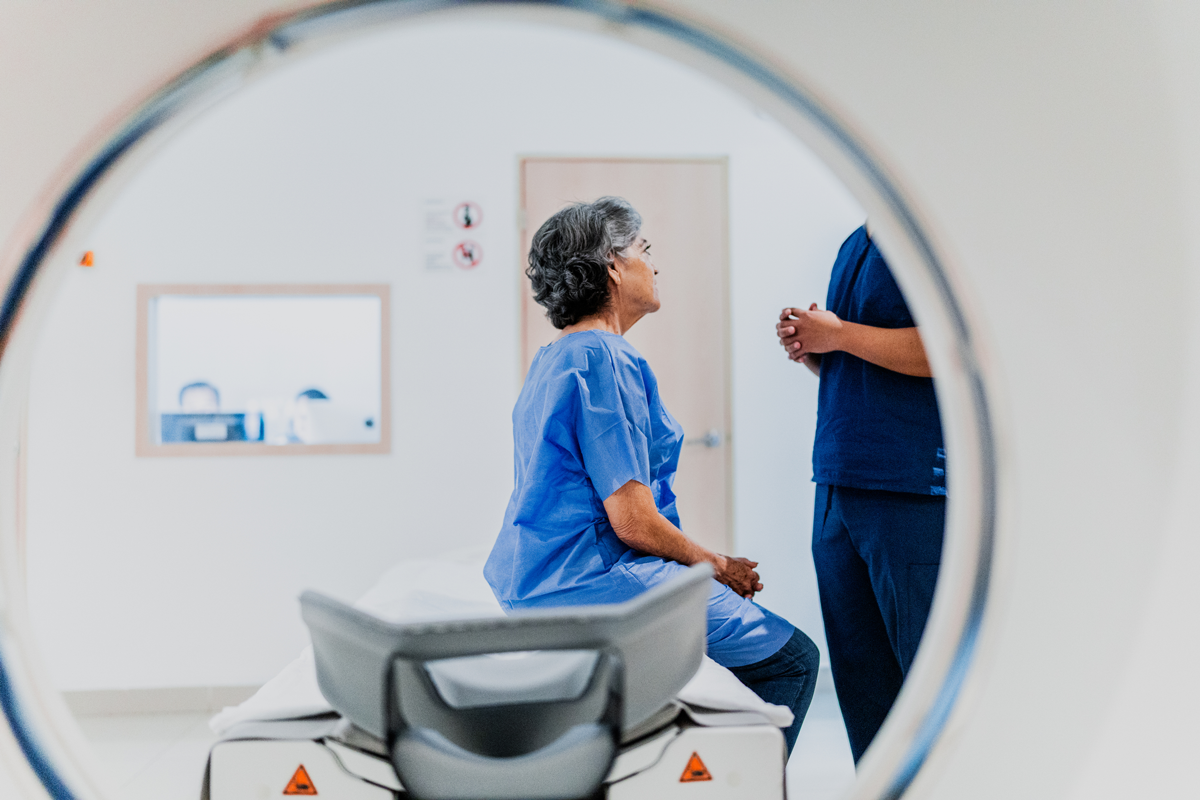
For employers, Curaechoice’s approach delivers measurable value. Imaging costs are one of the top drivers of medical inflation in the U.S.
Traditional plans see wide variation in what’s paid per scan because of inconsistent billing and uncoordinated care. Curaechoice standardizes those costs, ensures timely diagnostics, and eliminates unnecessary duplication—all while maintaining zero cost for the employee.
Check Out: Dental Crown and Root Canal Costs
Curaechoice: A Clearer Path
The system also improves data integrity. Because MRI results can be shared across Curaechoice’s network, primary-care teams and specialists can make decisions faster and avoid redundant procedures.
That means fewer emergency visits, fewer missed workdays, and faster recoveries. For conditions like back pain or sports injuries, early imaging often leads to physical therapy rather than surgery, saving both time and money.
The value of an MRI isn’t just in the images—it’s in what happens next.
A timely scan can change the course of care entirely. With Curaechoice, that moment of clarity never comes with financial uncertainty attached. Members can focus on results and recovery, not reimbursement.
Healthcare shouldn’t force anyone to choose between knowing and not knowing, between getting answers and staying in the dark because of cost.