
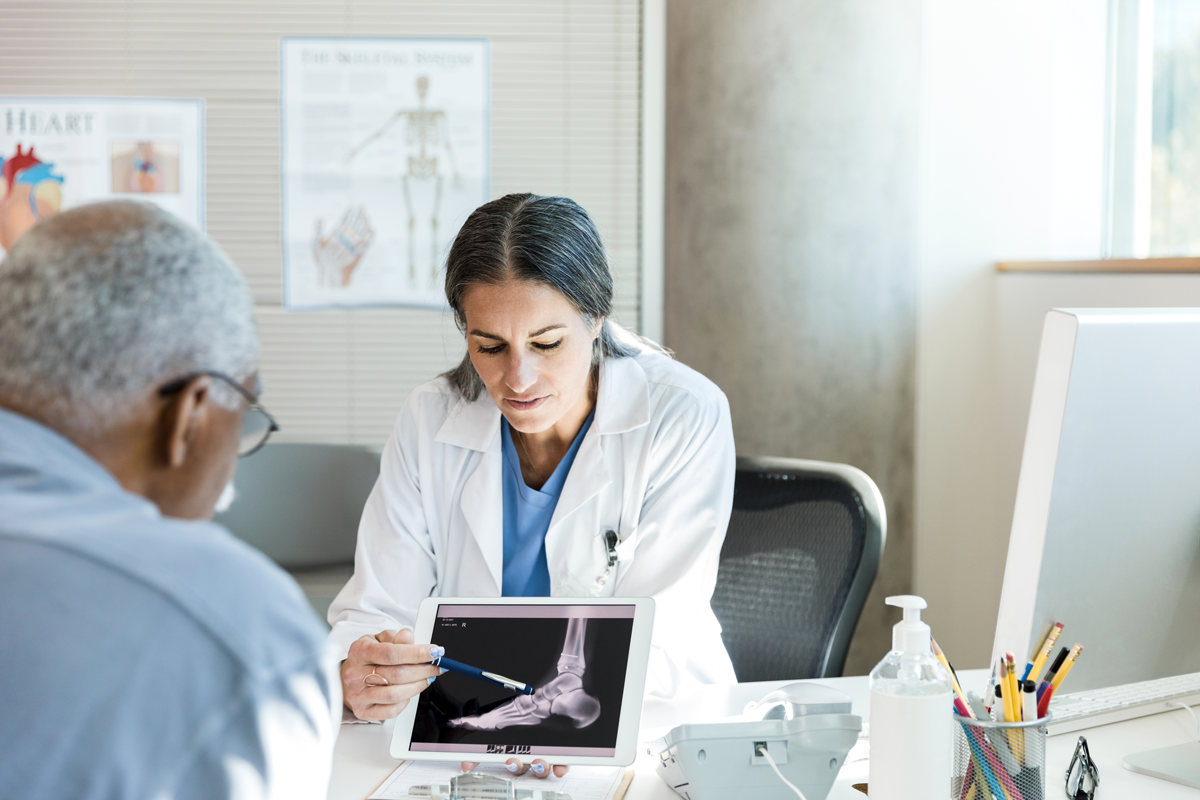
When Betsy first felt that stabbing heel pain each morning, she dismissed it as “just getting older.”
At 62, she’d always been active—walking the neighborhood, playing with her grandchildren, standing at her farmers’ market booth—but now her step felt different.
The ligaments in her foot felt rigid, her heel angry.
After five months of “it’ll pass,” she found herself avoiding the dance class she loved, skipping a beach stroll with her husband, and dreading that first step out of bed.
That’s when she saw a doctor and the diagnosis came: plantar fasciitis.
For many, this condition seems minor at first, but for some it becomes a persistent drag on daily life.
Many of us have seen how this heel pain can quietly erode confidence and quality of life.
One day you’re gardening, the next you’re tip-toeing into the kitchen. The discomfort becomes a normal part of life—a part you’d rather live without.
What’s important to understand is that plantar fasciitis isn’t simply about heel pain.
It’s a tissue under strain and resulting pain stemming a band of connective fiber that runs along the bottom of the foot, supporting the arch and absorbing shock.
When that tissue becomes inflamed or degenerates, every step reminds you that something’s off balance.
Learn About: Tooth Abscess Treatments and Costs: Everything You Need to Know
Yet there is hope.
In most cases the path back to pain-free walking begins with simple, non-surgical steps: gentle stretching, supportive footwear, cushioned arch supports, night splints, and activity changes.
These aren’t glamorous fixes, but they often work.
Studies suggest that more than ninety percent of people with plantar fascia irritation recover without surgery.
That’s why Curaechoice emphasizes early intervention, education, and awareness of non-surgical options before more aggressive measures are considered.
But what happens when the pain lingers?
When months of stretching and inserts don’t restore comfort, and each morning’s first step feels like walking on glass? That’s when physicians may explore advanced therapies or surgery.
This overview will walk you through the full spectrum—from first-line care to the rare need for surgery—and include a look at what those choices typically cost, with or without coordinated coverage.
What is Plantar Fasciitis?

Plantar fasciitis involves inflammation or degeneration of the plantar fascia—a thick band of tissue connecting the heel bone to the toes.
It supports the arch of the foot and acts as a shock absorber when walking or running.
Risk factors include standing for long periods on hard surfaces, flat feet or high arches, excess body weight, or unsupportive shoes.
Even runners or teachers on their feet all day can develop it.
Symptoms often include sharp heel pain when first standing in the morning, pain after rest, or tenderness along the bottom of the heel. Diagnosis is based on physical exam; imaging is used only when other causes are suspected.
Check Out: Dental Crown and Root Canal Costs
Non-Surgical Treatment Options
For most people, this is where recovery begins—and ends.
Footwear and orthotics make a major difference. Replacing worn shoes, choosing pairs with firm arch support and soft cushioning, or adding inserts can reduce stress on the fascia. Over-the-counter inserts are inexpensive; custom orthotics can cost several hundred dollars but may provide lasting relief.
Stretching and physical therapy are key. Regular calf and plantar fascia stretches, strengthening small foot muscles, and guided physical therapy can improve flexibility and circulation. Many people improve within six to twelve weeks of consistent care.
Night splints and walking boots may be offered to hold the foot in a gently flexed position during rest, preventing the fascia from tightening overnight. These are relatively low-cost and highly effective for morning pain.
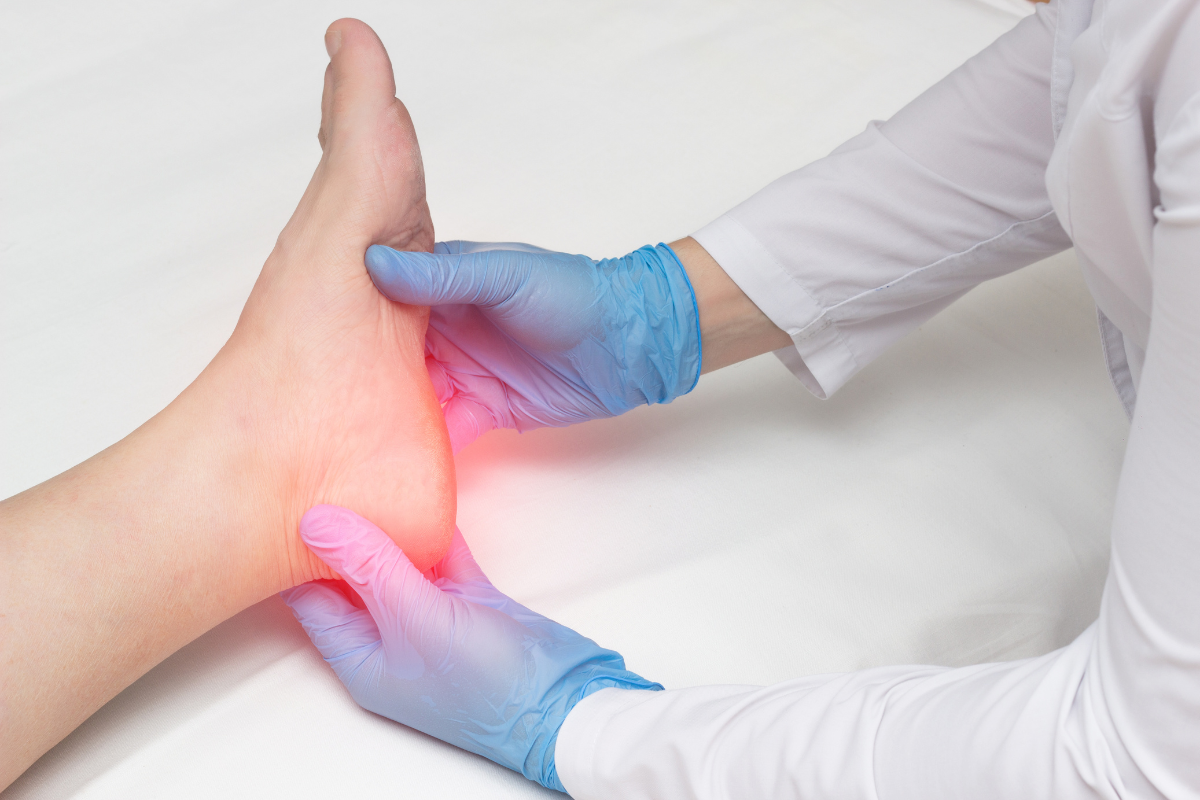
Activity modification helps as well. Reducing time on hard floors, alternating standing and sitting, icing the heel after activity, and using anti-inflammatory medications if appropriate all support recovery.
When pain persists beyond several months, advanced but non-invasive therapies may be considered—like extracorporeal shockwave therapy (ESWT) or minimally invasive ultrasonic treatments. These approaches use targeted energy to stimulate healing in damaged tissue, often reducing recovery time.
With traditional insurance, patients typically pay copays and coinsurance for physical therapy or orthotic devices, and certain items may not be covered. Without insurance, the combined cost of inserts, splints, and therapy sessions can range from a few hundred to a few thousand dollars.
Under Curaechoice, members benefit from coordinated podiatry, physical therapy, and supportive device coverage designed to keep out-of-pocket costs minimal.
When Surgery Becomes an Option
Surgery is rare and reserved for those whose pain has persisted for six to twelve months despite full conservative treatment. In these cases, imaging may reveal a partial tear, a heel spur, or chronic degeneration that simply won’t resolve on its own.
The most common surgical procedure is a plantar fascia release, in which the surgeon cuts part of the fascia to reduce tension. It may be performed through a small incision (endoscopic) or a larger open approach. If a prominent heel spur contributes to pain, it can be removed during the same operation. Recovery generally involves limited weight-bearing for one to three weeks, gradual rehabilitation, and full return to activity within two to three months.
Other minimally invasive options include ultrasonic or percutaneous partial releases, which are performed under local anesthesia and may allow faster recovery. Regardless of approach, the goal is to relieve tension and inflammation while preserving normal foot function.
Cost Overview for Surgery
With insurance, surgery is typically covered once conservative care fails and a specialist confirms medical necessity, but deductibles and facility fees still apply.
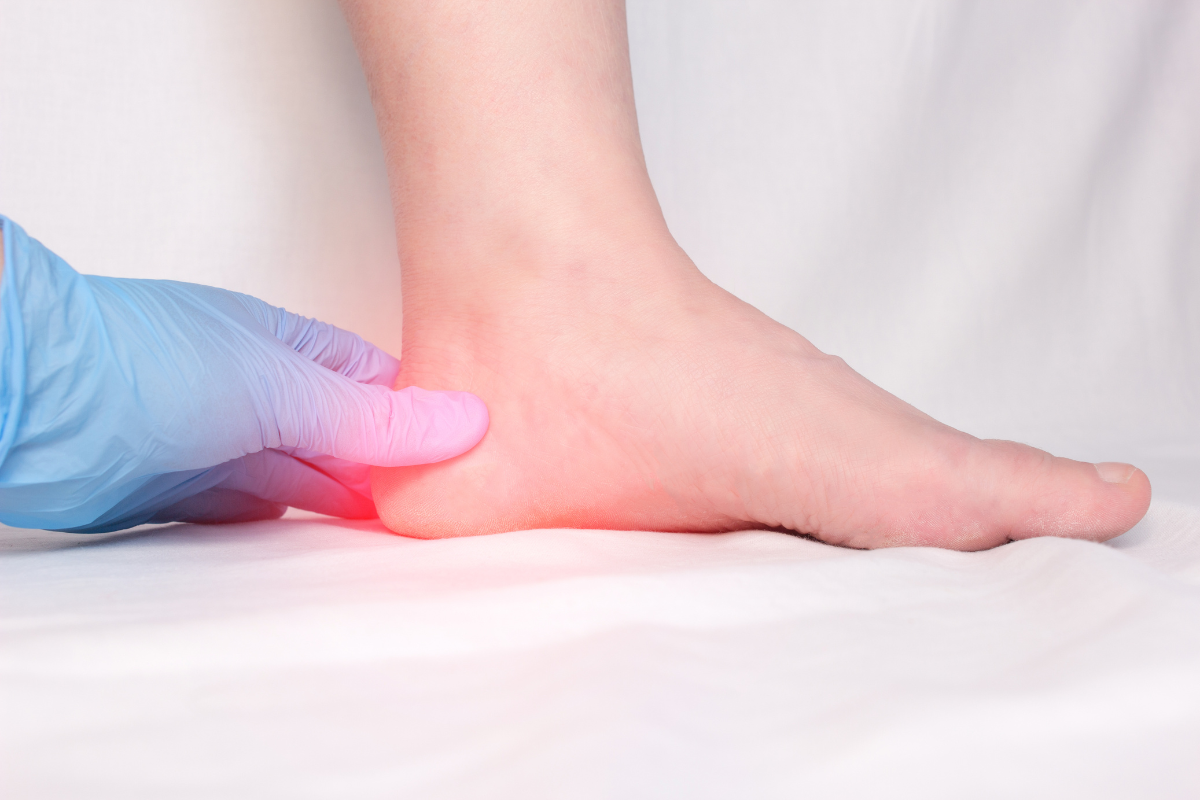
For qualifying members, Curaechoice covers medically necessary plantar fasciitis surgeries—including plantar fascia release and heel spur removal—with no copays, deductibles, or coinsurance. Hospital, anesthesia, and specialist fees are included under the Curaechoice surgical benefit, so members aren’t left with surprise bills or balance charges. Post-surgical physical therapy and follow-up visits are also covered when part of the approved treatment plan, allowing a full recovery without financial barriers.
What to Ask Before Plantar Fasciitis Surgery
Before deciding, it’s wise to ask your provider:
- Have I tried all conservative treatments consistently for at least six months?
- What diagnostic findings suggest surgery will help?
- Which surgical method is recommended, and why?
- What risks and benefits should I weigh, and what is the expected recovery timeline?
- What steps can prevent recurrence once I heal?
A clear understanding of these factors can help you make a decision grounded in both evidence and confidence.
Living With and Recovering From Heel Pain
For many people, plantar fasciitis is a wake-up call to rebalance habits—stretching before standing, choosing supportive footwear, pacing physical activity.
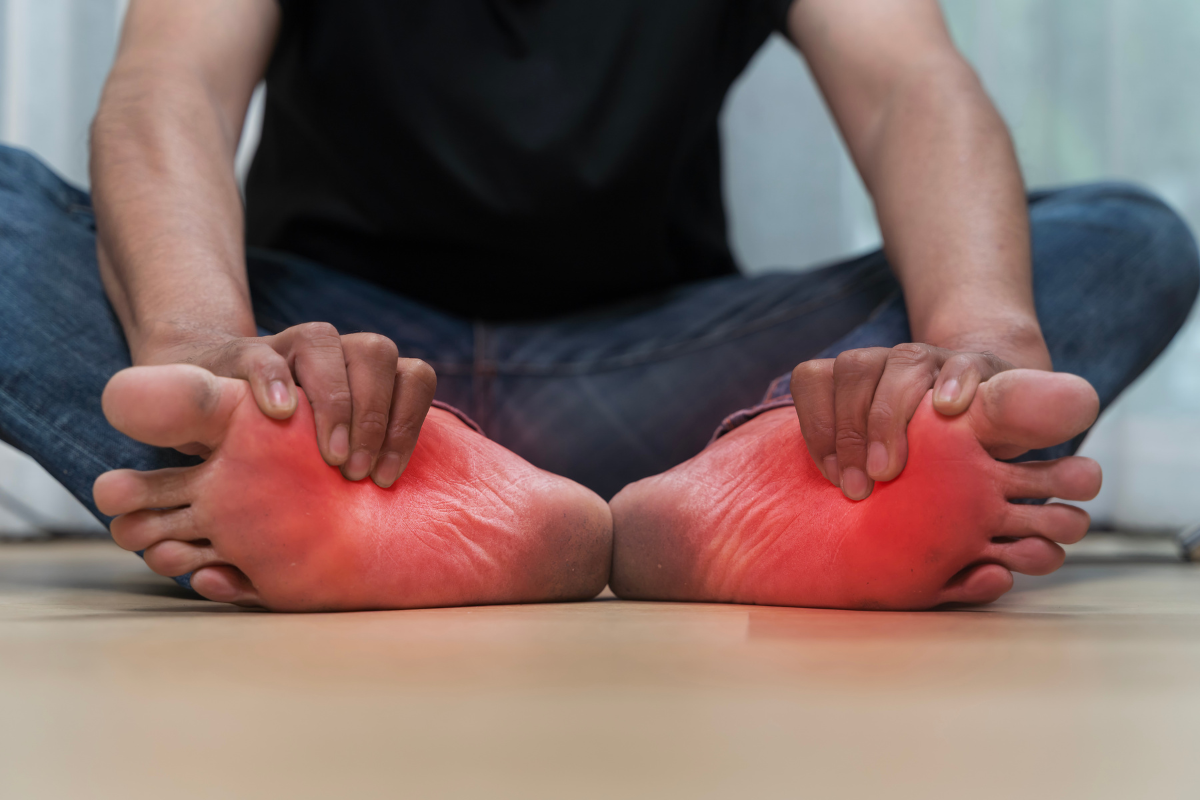
The condition can be stubborn, but recovery is possible. Early attention to symptoms often means avoiding surgery altogether. With the right support network—including coordinated care through Curaechoice—members can take the fear and confusion out of both diagnosis and recovery.
For detailed medical background on plantar fasciitis, see reference guides from the Mayo Clinic and recent studies published through PubMed.
Five Signs You Might Have Plantar Fasciitis
- Morning heel pain with your first steps out of bed
- Pain that worsens after standing or walking for long periods
- Tenderness when pressing the bottom or inner edge of the heel
- Pain that returns after rest rather than during activity
- Foot structure or footwear changes—flat arches, tight calves, or worn-out shoes.
Whether your heel pain has just begun or has lingered for months, the message is the same: don’t wait.
The earlier you address it, the more likely you are to heal fully—and avoid surgery altogether. Curaechoice gives members the freedom to pursue the right treatment at the right time, without worrying about copays, deductibles, or surprise bills.
From gentle stretching and therapy to medically necessary surgical care, every option is designed to restore comfort, mobility, and confidence.
Because walking without pain shouldn’t be a privilege—it should be part of everyday life.
Want to learn more about Curaechoice? Contact us.