

Surgery is often viewed as the finish line.
Once the procedure is complete and the incision heals, recovery is assumed to be underway. In reality, surgery is only the midpoint of treatment. What happens afterward—particularly access to rehabilitation—largely determines whether a person regains full function or carries long-term limitations.
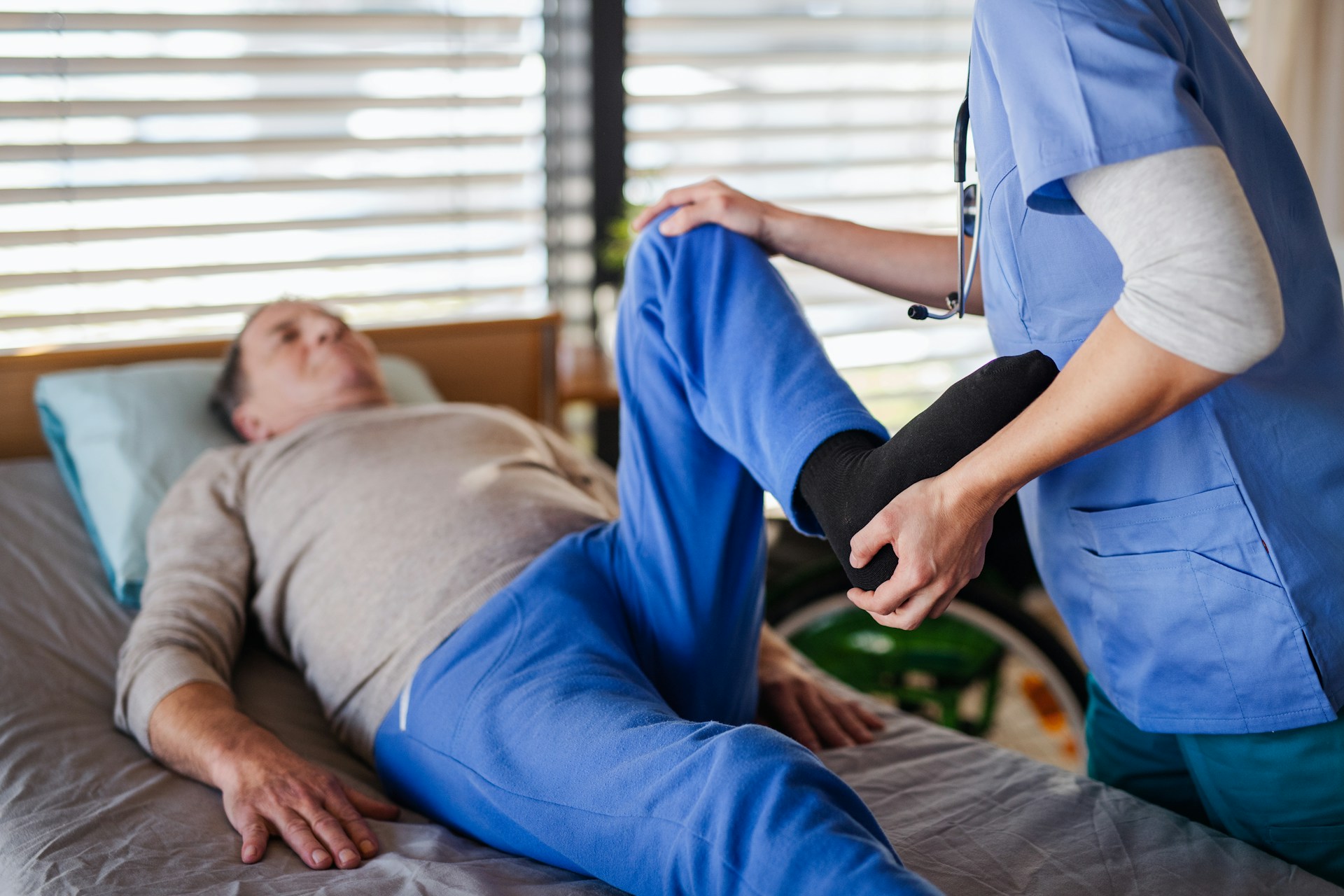
Post-surgical rehabilitation includes physical therapy, occupational therapy, follow-up evaluations, and guided progression back to normal activity. These steps restore strength, mobility, coordination, and confidence. When rehabilitation is delayed, shortened, or skipped altogether, recovery becomes incomplete, even when the surgery itself was technically successful.
One reason rehabilitation is cut short is symptom improvement.
Pain decreases, swelling subsides, and movement returns enough to manage daily tasks. At that point, therapy can feel optional. Without obvious discomfort, people assume they can finish recovery on their own. Unfortunately, early improvement does not equal full healing.
Another common barrier is financial uncertainty. Post-surgical rehab often requires multiple sessions over weeks or months. When copays, deductibles, or visit limits apply, people ration care. Appointments are spaced out, ended early, or abandoned once basic function returns. This leaves deficits unaddressed.
Work pressures also play a role.
Many people return to work as soon as possible, balancing recovery with job demands. Therapy sessions conflict with work hours. Exercises are skipped due to fatigue or time constraints. Over time, incomplete rehab becomes the default.
The consequences of inadequate rehabilitation are cumulative. Muscles weaken unevenly. Joint mechanics change. Scar tissue restricts movement. Compensatory patterns develop as the body works around unresolved limitations. These changes increase the risk of reinjury, chronic pain, and degeneration in surrounding joints.
Incomplete recovery also affects confidence. Fear of re-injury leads people to avoid certain movements or activities. This hesitation limits strength gains and reinforces dysfunction. What began as a temporary surgical issue becomes a long-term functional problem.
From an employer perspective, incomplete rehab increases long-term costs. Employees may return to work but perform at reduced capacity. Absences recur due to flare-ups or secondary injuries. In some cases, unresolved limitations lead to permanent work restrictions or disability claims.
Post-surgical complications further increase costs.
Stiffness, weakness, and poor coordination raise the risk of falls and accidents. Additional imaging, injections, or repeat procedures may be required. These outcomes often trace back to insufficient rehabilitation rather than surgical failure.
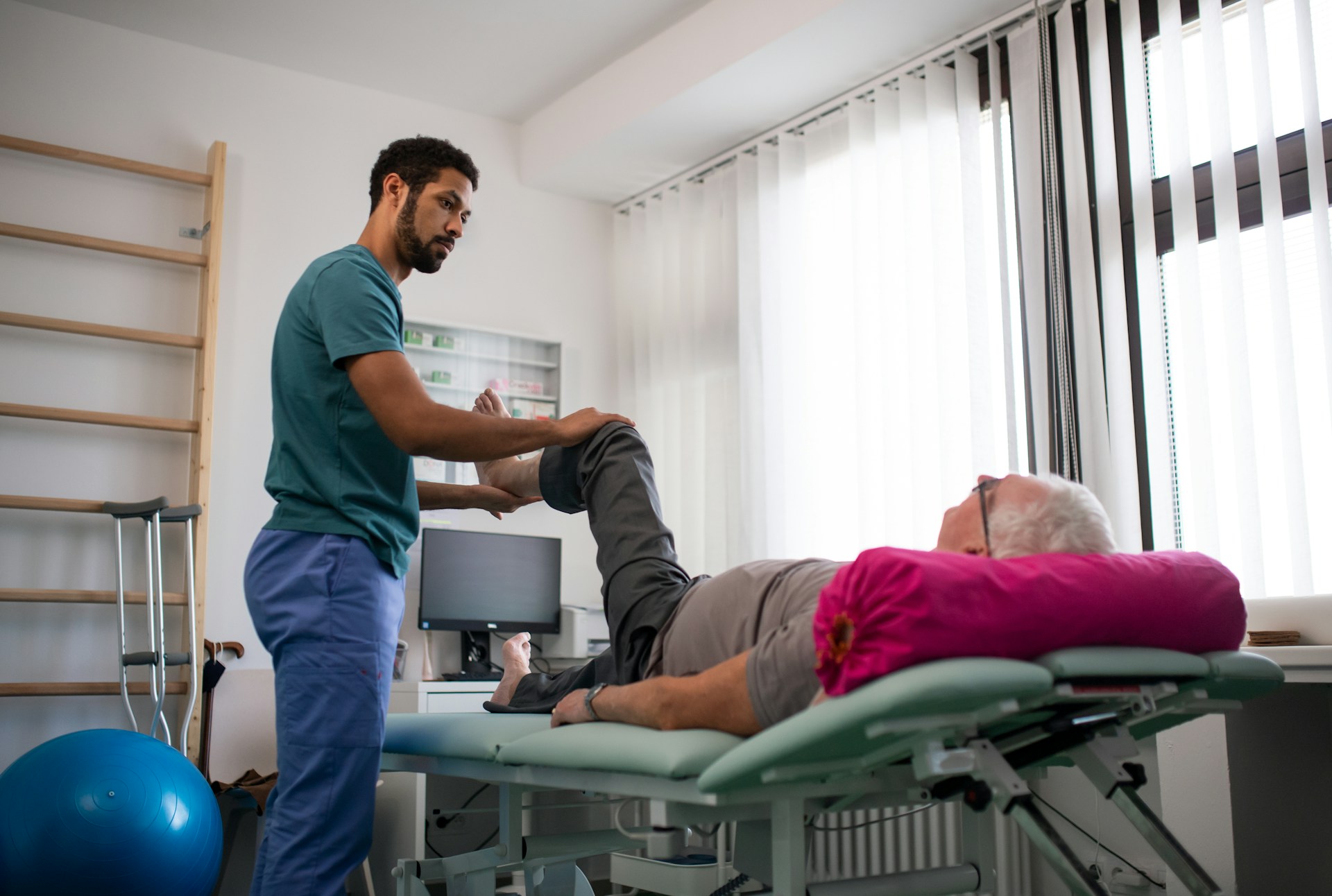
Post-surgical recovery: full rehabilitation vs. long-term functional costs
Cost with insurance. Surgery may be covered, but rehabilitation visits, extended therapy, follow-up evaluations, and additional imaging often involve copays, visit limits, and coinsurance. When therapy is cut short, out-of-pocket costs may appear lower initially but increase over time due to complications and repeat care - landing in the hundreds if not thousands of dollars out of pocket.
Cost without insurance. Physical therapy and follow-up care typically cost $100–$300 per session. Comprehensive post-surgical rehabilitation can range from $2,000–$6,000 depending on duration and complexity. When recovery is incomplete, additional procedures and long-term care significantly increase costs.
Cost with Curaechoice. $0 for covered post-surgical rehabilitation, follow-up visits, physical therapy, and recovery-related care within the Curaechoice network.
(Source: American Physical Therapy Association; Agency for Healthcare Research and Quality)
Early and complete rehabilitation changes outcomes. Structured therapy restores strength, range of motion, and coordination. Movement patterns normalize. Pain decreases more reliably. People regain confidence in their bodies rather than avoiding activity.
Access to consistent care is critical. Rehabilitation is a process, not a single appointment. Progress depends on continuity, adjustment, and follow-up. When access is predictable, people are more likely to complete therapy rather than stopping early.
Curaechoice can help.
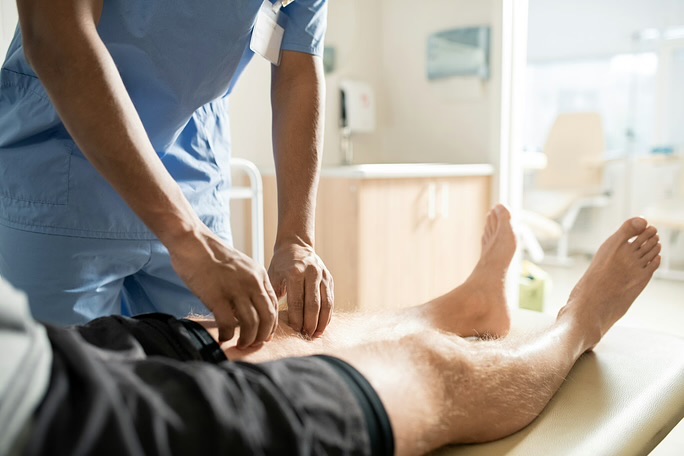
Curaechoice supports full recovery by providing access to covered post-surgical rehabilitation within its network at zero out-of-pocket cost. Members can complete recommended therapy without worrying about accumulating bills, making it easier to prioritize long-term recovery over short-term convenience.
Post-surgical recovery also affects mental health. Incomplete recovery can lead to frustration, anxiety, and loss of independence. Completing rehabilitation restores not only physical function, but confidence and emotional well-being.
Healthcare systems often focus resources on the surgical event itself. Recovery is treated as secondary. In reality, rehabilitation determines whether surgery delivers its intended benefit. Cutting rehab short undermines the original investment in surgery.
Many people believe that if pain is tolerable, recovery is complete. In reality, function matters more than pain alone. Strength, coordination, and endurance determine long-term outcomes. Rehabilitation addresses these factors directly.
Surgery does not fail when rehab is incomplete, but recovery does. The difference between a successful procedure and a successful outcome lies in what happens afterward.
When care is accessible and costs are clear, people are more likely to complete rehabilitation as recommended. That decision prevents chronic pain, reduces reinjury risk, and preserves long-term mobility.
(Sources: American Physical Therapy Association; Agency for Healthcare Research and Quality).