

The short answer
Repetitive strain injuries develop gradually through repeated movement and poor mechanics. Early symptoms are often ignored, allowing micro-damage to accumulate over time. Treatment becomes more complex as the injury spreads across muscles, joints, and nerves.
Repetitive strain injuries are not dramatic, and that is exactly why they become expensive.
They do not begin with a fall, a tear, or a single identifiable moment of injury. Instead, they develop through repetition—small mechanical stresses applied to the same tissues day after day until the body’s capacity to repair is exceeded. Typing, scanning, lifting, gripping, driving, assembling, standing, or even prolonged sitting all place consistent loads on specific muscle groups and connective tissues. When those loads are not balanced with recovery, variation, and proper biomechanics, the result is cumulative micro-damage that gradually evolves into pain, dysfunction, and, eventually, structural injury.
At the tissue level, repetitive strain is a process of imbalance between damage and repair.
Muscles, tendons, and ligaments are constantly adapting to stress. When stress is applied in controlled cycles, tissue becomes stronger and more resilient. When stress is repeated without sufficient recovery, microscopic damage accumulates faster than it can be repaired.
In tendons, this often leads to degeneration rather than inflammation—a breakdown in collagen structure that reduces the tendon’s ability to handle load. In muscles, chronic overuse can lead to tightness, weakness, and altered activation patterns. Over time, these changes affect how force is distributed across joints, increasing strain in adjacent areas.
The early stages are easy to ignore.
Patients often notice mild discomfort at the end of a workday, stiffness in the morning, or fatigue in a specific muscle group. Because these symptoms improve with rest, they are interpreted as normal. The assumption is that the body is simply responding to use, not signaling a developing problem. However, the underlying micro-damage does not fully resolve. Each day of repeated activity adds another layer of stress, gradually shifting the tissue from a state of adaptation to a state of breakdown.

As this process continues, the body begins to compensate. When one muscle group becomes overworked or painful, other muscles are recruited to share the load. This redistribution can temporarily reduce discomfort, but it often creates new imbalances. Movement patterns change subtly, posture adjusts, and force is redirected to tissues that are not designed to handle it. Over time, this leads to a chain reaction in which multiple areas become affected, expanding the scope of the problem beyond the original site of strain.
The transition from discomfort to injury is gradual but significant.
Pain becomes more persistent, appearing earlier in the day and lasting longer after activity. Tasks that were previously manageable—typing for extended periods, lifting objects, maintaining posture—become increasingly difficult. At this stage, the condition has moved beyond simple fatigue into structural and functional change. Tendons may show signs of degeneration, nerves may become compressed, and joint mechanics may be altered.
Check Out: Why Healthcare Decisions Are Often Made Emotionally—Not Medically
The diagnostic pathway often lags behind this progression. Early symptoms rarely prompt immediate medical evaluation. When patients do seek care, initial treatment is often focused on symptom relief—anti-inflammatory medications, rest, or temporary modifications to activity. While these interventions can reduce pain, they do not address the underlying biomechanical issues. Without evaluation of movement patterns, ergonomic setup, and muscle imbalances, the root cause remains in place, and symptoms are likely to return.
This delay drives cost in a predictable way.
Early intervention for repetitive strain injuries is relatively straightforward and cost-effective. Physical therapy can correct movement patterns, strengthen stabilizing muscles, and reduce strain on affected tissues. Ergonomic adjustments—such as modifying workstation height, keyboard position, or lifting technique—can significantly reduce load. These interventions are not only effective but also preventive, stopping progression before structural damage occurs.

When treatment is delayed, the cost profile changes. Persistent symptoms often lead to imaging studies such as ultrasound or MRI to evaluate tendon integrity, muscle injury, or nerve compression. Specialist consultations—orthopedics, neurology, pain management—may be introduced. Treatment may expand to include corticosteroid injections, more intensive rehabilitation, or even surgical intervention in severe cases. Each step represents a higher level of cost and complexity, reflecting the transition from early dysfunction to established injury.
There is also a neurological component that develops over time. Chronic pain changes how the nervous system processes signals. Pain pathways become more sensitive, and the threshold for discomfort decreases. This phenomenon can make symptoms feel disproportionate to the original injury and can prolong recovery even after structural issues are addressed. Treatment at this stage often requires a combination of physical and neurological approaches, further increasing cost.
Learn More: Post-Viral Syndromes and Prolonged Recovery - What are the Costs?
Indirect costs are often substantial. Repetitive strain injuries are a leading cause of reduced productivity and work-related disability. Even mild symptoms can slow performance, increase error rates, and reduce endurance. In physically demanding jobs, the impact can be immediate, limiting the ability to perform essential tasks. In sedentary roles, the effect is more subtle but still significant, particularly when pain interferes with concentration and consistency.
There is also a behavioral pattern that contributes to delayed care.
Patients often adapt to early symptoms rather than addressing them. They may adjust posture, switch hands, take more breaks, or avoid certain movements. While these adaptations can reduce discomfort temporarily, they do not resolve underlying issues. In some cases, they introduce new patterns of strain, expanding the problem to additional areas of the body.
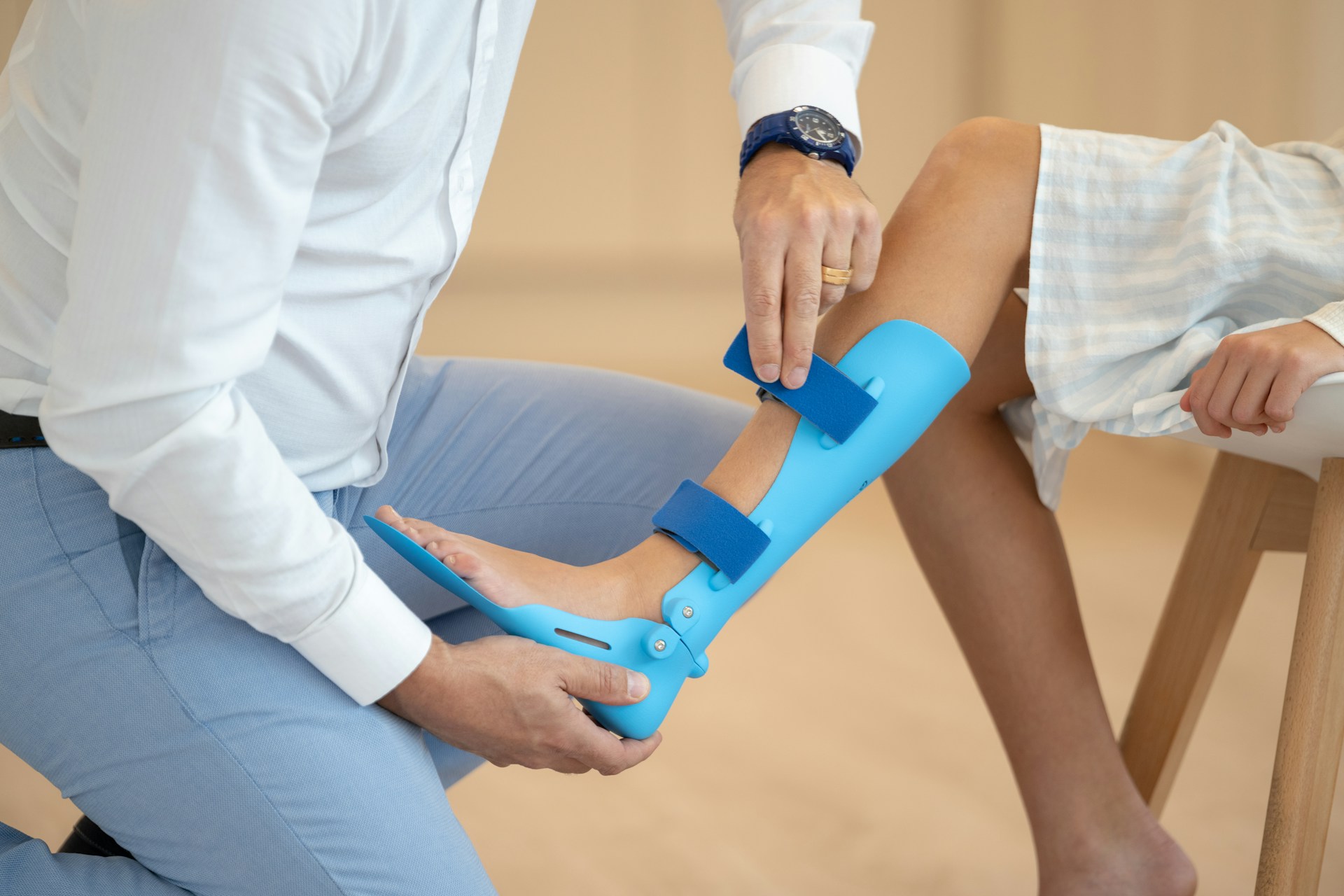
From a systems perspective, repetitive strain injuries highlight the limitations of reactive care. Healthcare engagement is often triggered by severity rather than trajectory. Patients seek care when pain becomes limiting, not when it first appears. Clinicians respond to what is measurable—visible injury, imaging findings—rather than early functional changes. This creates a gap in which early, preventable stages are under-treated, while later stages require more intensive and expensive intervention.
A more effective approach involves earlier recognition and correction.
When repetitive strain is identified at the stage of micro-damage, intervention focuses on restoring balance—adjusting ergonomics, correcting movement patterns, and strengthening supporting structures. This not only resolves symptoms but also prevents progression. The challenge is that early symptoms are often not perceived as significant enough to justify care, particularly when access involves financial uncertainty.
From there, care can move into physical therapy, diagnostic testing or specialist evaluation when appropriate, with follow-up showing whether the injury is improving. Keeping those stages connected allows each step to build on what was learned in the one before it.
The cost of waiting
Cost of Repetitive Strain Injury. Early Intervention vs Advanced Treatment
- Cost with insurance.$3,000-$8,000+
- Cost without insurance.$15,000–$40,000+
- Cost with Curaechoice.$0
How Curaechoice Helps
Curaechoice supports early intervention by removing financial barriers to evaluation and treatment. When patients can access physician visits, physical therapy, and diagnostic testing at zero out-of-pocket cost, they are more likely to seek care at the first signs of strain. This allows clinicians to correct underlying issues before they progress to more complex and costly conditions.
Curaechoice also helps put a Chain of Care into motion, connecting members with the appropriate providers, physical therapy, diagnostic testing, specialists, and follow-up care as their needs evolve. This coordinated approach gives members access to the best overall options for care and recovery while helping prevent gaps or delays that can allow a repetitive strain injury to progress.
Sources: National Institute for Occupational Safety and Health; American Academy of Orthopaedic Surgeons.
Frequently Asked Questions
1. What causes repetitive strain injuries?
Repeated motion, poor posture, and lack of recovery.
2. Why are they often ignored?
Symptoms start mild and intermittent.
3. Does delay increase cost?
Yes. It leads to chronic pain and longer treatment.
4. What areas are commonly affected?
Wrists, shoulders, neck, and lower back.
5. Can RSI become permanent?
In some cases, if untreated.
6. Does early therapy help?
Yes. It prevents progression.
7. Are multiple areas often involved?
Yes, due to compensation patterns.
8. What is the biggest risk?
Chronic pain and reduced function.
9. Can ergonomics prevent RSI?
Yes, when consistently applied.
10. Is rest enough?
Not always—targeted therapy is often needed.
Key Specifications
Primary Cause: Repetitive motion and poor mechanics
Cost Drivers: Chronic pain, extended therapy
Risk: Multi-region involvement
Approach: Early intervention and correction
Expert summary
Repetitive strain injuries develop through accumulation rather than sudden damage. Small inefficiencies in movement, repeated over time, create stress on tissues that are not designed to handle continuous load. Early symptoms are often mild, which delays evaluation and allows the pattern to become established.
Once multiple regions are involved, treatment becomes more complex. Therapy must address not only the original site of strain but also compensatory patterns that have developed. This extends recovery time and increases cost.
Curaechoice makes early intervention accessible, helping patients correct movement patterns before they lead to chronic pain and long-term functional limitations.