

Skin health is often reduced to cosmetic concerns or cancer screening alone, but dermatology plays a much broader role in preventive care.
When skin issues are ignored or delayed, they can quietly become chronic, costly, and disruptive.
Why are skin problems easy to dismiss
The skin is visible, but it’s also easy to normalize changes. New moles, rashes, discoloration, or persistent irritation are often chalked up to aging, stress, allergies, or weather. Because many skin conditions aren’t painful at first, they don’t trigger urgency.
Cost uncertainty reinforces this dismissal. Dermatology visits are often perceived as expensive or optional, especially when people aren’t sure whether a concern is medical or cosmetic. After one surprise bill, many people decide to wait unless something feels serious.

Preventive dermatology goes far beyond checking for skin cancer. Routine skin exams can identify early signs of melanoma and non-melanoma cancers, but they also help detect chronic inflammatory conditions, autoimmune skin disorders, infections, and precancerous changes.
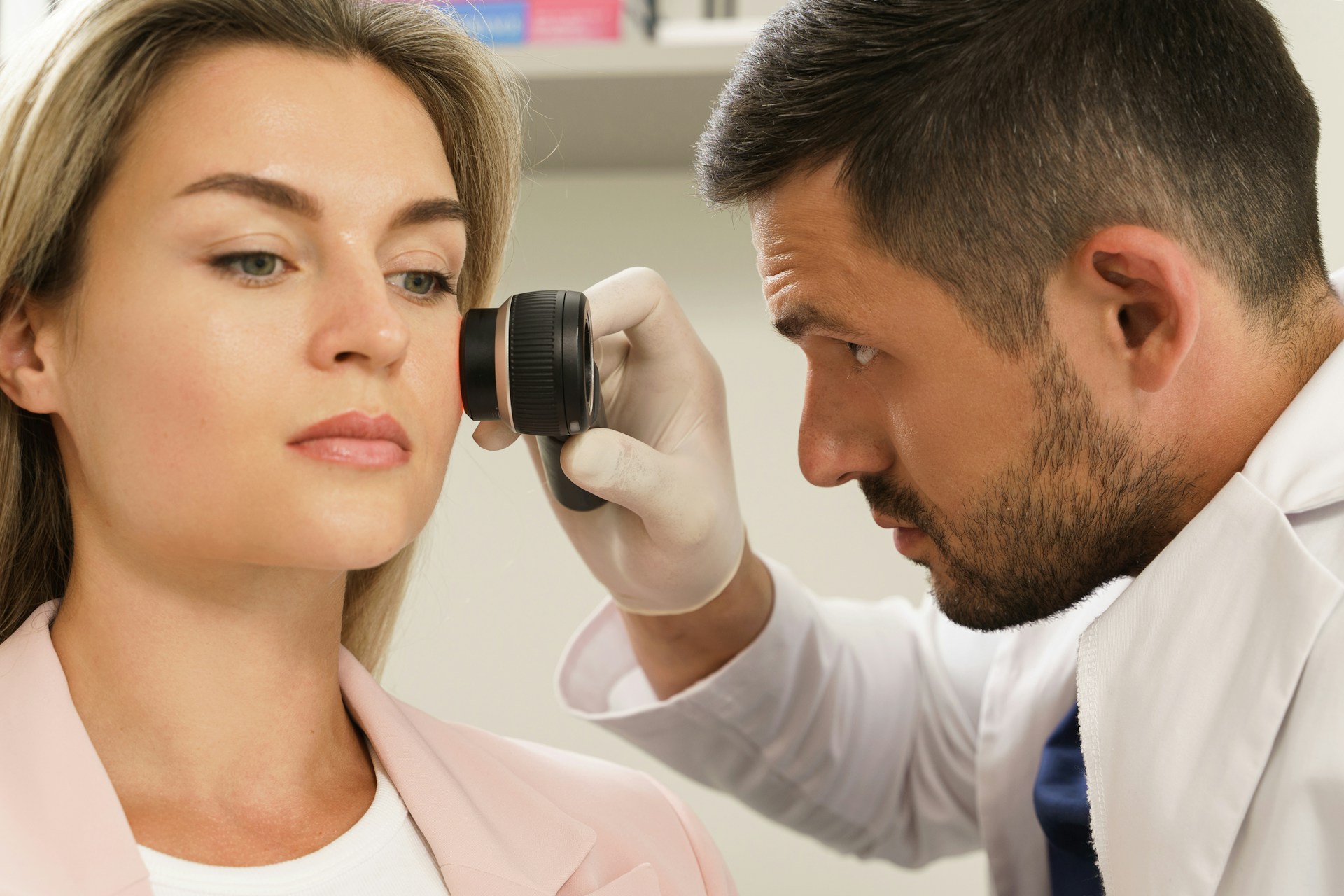
Dermatologists evaluate moles, lesions, persistent rashes, unexplained itching, and changes in skin texture or color. They also assess patterns over time, which is critical for distinguishing harmless changes from concerning ones.
Early evaluation allows for monitoring rather than intervention. A mole that is documented and tracked may never need treatment. A rash identified early may respond to simple therapy instead of becoming chronic.
Learn More: Men’s Preventive Health
What happens when care is delayed
Karen noticed the mole while getting dressed one morning. It hadn’t been there before—or at least she didn’t think it had. It wasn’t painful, and it didn’t look alarming enough to justify a doctor visit. She made a mental note to keep an eye on it and moved on with her day.
Months passed. The mole changed slightly in color, then shape. Karen still hesitated. A dermatology appointment felt optional, and she worried it might lead to biopsies, follow-ups, and bills she didn’t feel prepared for. By the time she finally scheduled a visit, the conversation was no longer about monitoring. It was about removal, testing, and next steps.
When skin issues are ignored, they often progress. Precancerous lesions can become cancerous. Chronic inflammatory conditions like eczema, psoriasis, or rosacea can worsen and spread. Infections can become recurrent.

Delayed care often means more aggressive treatment. Biopsies, excisions, long courses of medication, and repeated visits become more likely. Healing can take longer, and scarring or permanent skin changes are more common.
From a practical standpoint, untreated skin conditions can interfere with sleep, work, and social interactions. Persistent itching, pain, or visible lesions affect quality of life in ways that are easy to underestimate.
The hidden costs of chronic skin conditions
Chronic skin conditions carry ongoing costs that extend beyond dermatology visits. Prescription medications, specialty products, and repeated flare-ups add up over time. Missed workdays, discomfort, and emotional distress compound the burden.
For some people, skin conditions are associated with other health issues. Autoimmune skin disorders may coexist with joint pain or fatigue. Chronic inflammation can affect overall well-being. Without early management, these connections are often missed.
Why people hesitate to see a dermatologist
Many people struggle to decide whether a skin concern is “worth” a medical visit. Because skin issues are visible, people often try to self-diagnose or self-treat longer than they should. Online information adds confusion rather than clarity.
Cost fear plays a central role. Dermatology visits are often assumed to be expensive, and people worry about opening a door they can’t close. The result is delay, even when changes are noticeable.
Learn About: The True Cost of Diabetes Care
The value of early monitoring
Early dermatology care is often conservative. Monitoring, reassurance, and education are common outcomes of initial visits. When treatment is needed, it is usually simpler and more effective early on.
Routine skin exams also build familiarity. When patients and providers know what is normal for an individual, changes are easier to identify. That continuity reduces unnecessary intervention and supports timely action when it matters.
Skin changes over time, influenced by sun exposure, hormones, immune function, and environmental factors. Preventive dermatology adapts to these changes, supporting health at every stage of life.

Ignoring skin health until something feels urgent removes the opportunity for prevention. Over time, that approach increases both medical and personal costs.
How Curaechoice supports preventive dermatology care
One of the main reasons people delay dermatology visits is uncertainty—about cost, about what will be found, and about what care might involve.
Curaechoice helps reduce that hesitation by making access to preventive care more straightforward. By supporting routine medical visits without deductibles, copays, or coinsurance, Curaechoice allows members to address skin concerns earlier, when evaluation is simpler and treatment is less disruptive.
Early dermatology care supports better outcomes, fewer complications, and less long-term cost. When people can seek care without worrying about financial surprises, skin health becomes part of routine prevention rather than a problem addressed only when it escalates.
Want to learn more about Curaechoice? Contact us.