
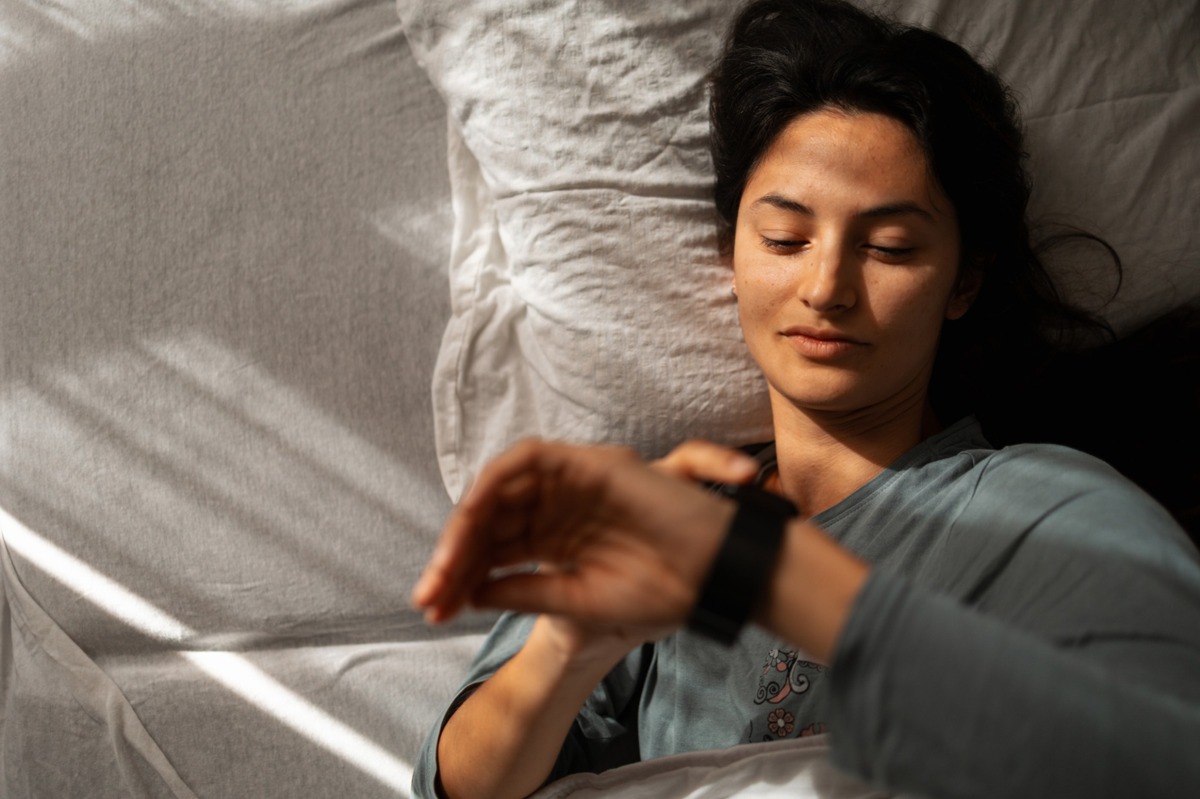
Rachel used to joke that she was “bad at sleeping.”
She stayed up too late, woke several times a night, and dragged herself through most mornings. Coffee helped. So did powering through. Everyone she knew complained about being tired, so she assumed this was just adulthood.
What she didn’t joke about was how short her temper had become, or how foggy she felt during meetings. She stopped exercising because she was exhausted. Her blood pressure crept up. When her doctor suggested she talk to someone about her sleep, Rachel waved it off. She worried about what that might involve—tests, specialists, equipment—and how much it might cost. It felt easier to live with being tired than to open that door.
Years later, after a minor car accident caused by momentary inattention, Rachel finally underwent a sleep evaluation. She was diagnosed with sleep apnea. The condition hadn’t appeared suddenly. It had been affecting her health quietly for years.
Sleep disorders are among the most underdiagnosed and undertreated health conditions, not because they are rare, but because they are normalized. People learn to live with exhaustion long past the point where it should prompt care.
Why poor sleep gets normalized
Sleep problems often develop gradually. People adapt to lower energy, poorer focus, and mood changes without realizing how much they have lost. Snoring, insomnia, and daytime sleepiness are often dismissed as stress, aging, or lifestyle issues.

There is also a cultural element. Being busy and tired is worn as a badge of honor. Admitting exhaustion can feel like weakness rather than a health concern. When cost uncertainty is added to the mix, it becomes even easier to delay care.
Sleep evaluations sound complex. People imagine overnight studies, machines, and ongoing expenses. Even when symptoms are disruptive, fear of cost and inconvenience keeps many people from seeking help.
What healthy sleep actually supports
Sleep is not a passive state. It is an active process that supports nearly every system in the body. Quality sleep regulates blood pressure, blood sugar, immune response, memory, and emotional processing.
Chronic sleep deprivation is linked to cardiovascular disease, diabetes, depression, anxiety, weight gain, and workplace injuries. Poor sleep also affects reaction time and decision-making, increasing the risk of accidents.
Because sleep affects so many systems, untreated sleep disorders often show up indirectly—through worsening chronic conditions, mental health challenges, or unexplained fatigue.
Common sleep disorders people overlook
Sleep apnea, insomnia, restless leg syndrome, and circadian rhythm disorders are all common and highly treatable. Yet many people live with symptoms for years before diagnosis.
Sleep apnea in particular is frequently missed. Loud snoring, gasping during sleep, morning headaches, and daytime sleepiness are warning signs, but many people do not associate them with a medical condition.
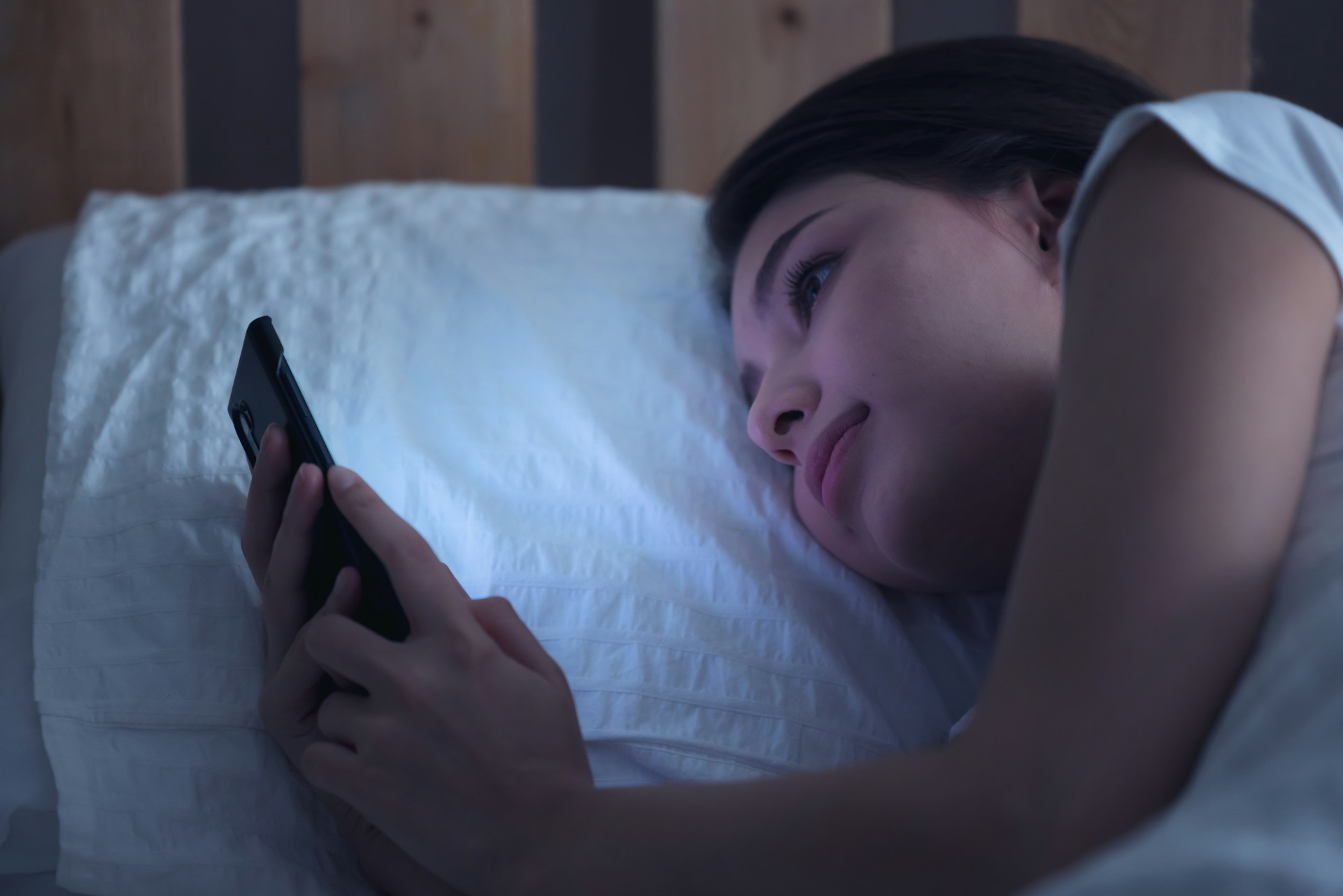
Insomnia is often self-managed with over-the-counter aids or alcohol, masking symptoms without addressing underlying causes.
Untreated sleep disorders tend to worsen over time. Apnea increases strain on the heart. Chronic insomnia contributes to anxiety and depression. Poor sleep exacerbates pain, weight gain, and metabolic problems.
From a practical standpoint, untreated sleep disorders increase healthcare utilization over time. People seek care for secondary issues without addressing the root cause. Productivity declines. Relationships strain under the weight of irritability and exhaustion.
These downstream effects are rarely attributed to sleep, which allows the cycle to continue.
Why diagnosis changes outcomes
Diagnosis brings clarity. Many sleep disorders can be managed effectively once identified. Treatment may involve behavioral changes, targeted therapy, or devices that significantly improve sleep quality.
Early diagnosis prevents escalation. It allows people to regain energy, protect long-term health, and reduce the risk of accidents and chronic disease.

Without diagnosis, people often blame themselves for fatigue and continue coping rather than healing.
The true cost of untreated sleep disorders is paid slowly. It shows up in rising blood pressure, worsening blood sugar, increased medication use, and reduced quality of life. Families absorb the impact through mood changes, safety concerns, and caregiving responsibilities.
Addressing sleep early is one of the most effective forms of prevention available, yet it remains underutilized.
How Curaechoice helps remove barriers to sleep care
One of the main reasons people delay sleep care is uncertainty—about what evaluation will involve and what it will cost.
Curaechoice helps reduce that hesitation by supporting access to care without deductibles, copays, or coinsurance. When people can raise sleep concerns and pursue evaluation without financial fear, they are more likely to address problems early.
Early sleep care protects physical health, mental well-being, and safety. When cost is no longer the barrier, sleep can be treated as the essential part of health that it is.
*The example described above is a composite scenario intended to illustrate common healthcare experiences. It does not represent a specific individual.