

Mark and Dana had always dreamed of exploring Thailand.
They planned every detail—sunset dinners on the beach, tuk-tuk rides through the city, and photo ops at ancient temples.
They double-checked passports, booked every excursion, and packed light.
Health prep? Not so much.
They figured they'd be fine. They were healthy, up-to-date on regular vaccines, and the trip was only two weeks.
But halfway through their adventure, Dana developed intense stomach cramps and fever after a street food meal. Unsure if it was a bad food or something more dangerous, they rushed to a local clinic. The consultation was quick—but the bill was hefty. Medications had to be paid for upfront, insurance claims were complicated, and the stress lingered long after the symptoms faded.
Back home, they learned a simple travel health appointment could have prepared them for exactly this scenario—with guidance, preventive medication, and peace of mind. Their trip wasn’t ruined, but it changed. And so did their view on travel health.
Why Travel Health Is Often Skipped
Many travelers think:
- “I’m healthy, I’ll be fine.”
- “It’s only a short trip.”
- “Vaccines are expensive.”
- “I’ve traveled before and never had an issue.”
This false sense of security leads people to skip critical preventive steps. But even in popular tourist destinations, risks like foodborne illness, respiratory infections, insect bites, and limited medication access are common.
And when something goes wrong abroad, it goes expensively wrong.
What Travel Health Care Actually Includes

- Review of routine immunizations
- Recommendations for destination-specific vaccines (like typhoid, yellow fever, or Japanese encephalitis)
- Prescriptions for malaria prevention, altitude sickness, or emergency antibiotics
- Safety tips for food, water, and insect exposure
- Planning for chronic conditions and medication refills
- What to do—and not do—if symptoms arise
It’s preventive care, pure and simple. And it’s usually much cheaper than what happens if you don’t take these steps.
The True Cost of Getting Sick Abroad
According to the CDC, 30%-70% of international travelers report a health problem during their trip. The most common? Gastrointestinal illness, followed by respiratory infections and skin conditions.
Even minor issues can spiral. A short clinic visit in Europe can cost between $150 and $500. Prescriptions in Southeast Asia are often paid out of pocket, frequently in cash. An emergency evacuation from a remote area can range from $25,000 to $100,000.And U.S. health insurance?
Most plans offer limited or no coverage abroad unless you've added specific travel policies. Reimbursement can be slow, partial, or denied. By contrast, a pre-travel visit typically costs less than a single emergency clinic bill.
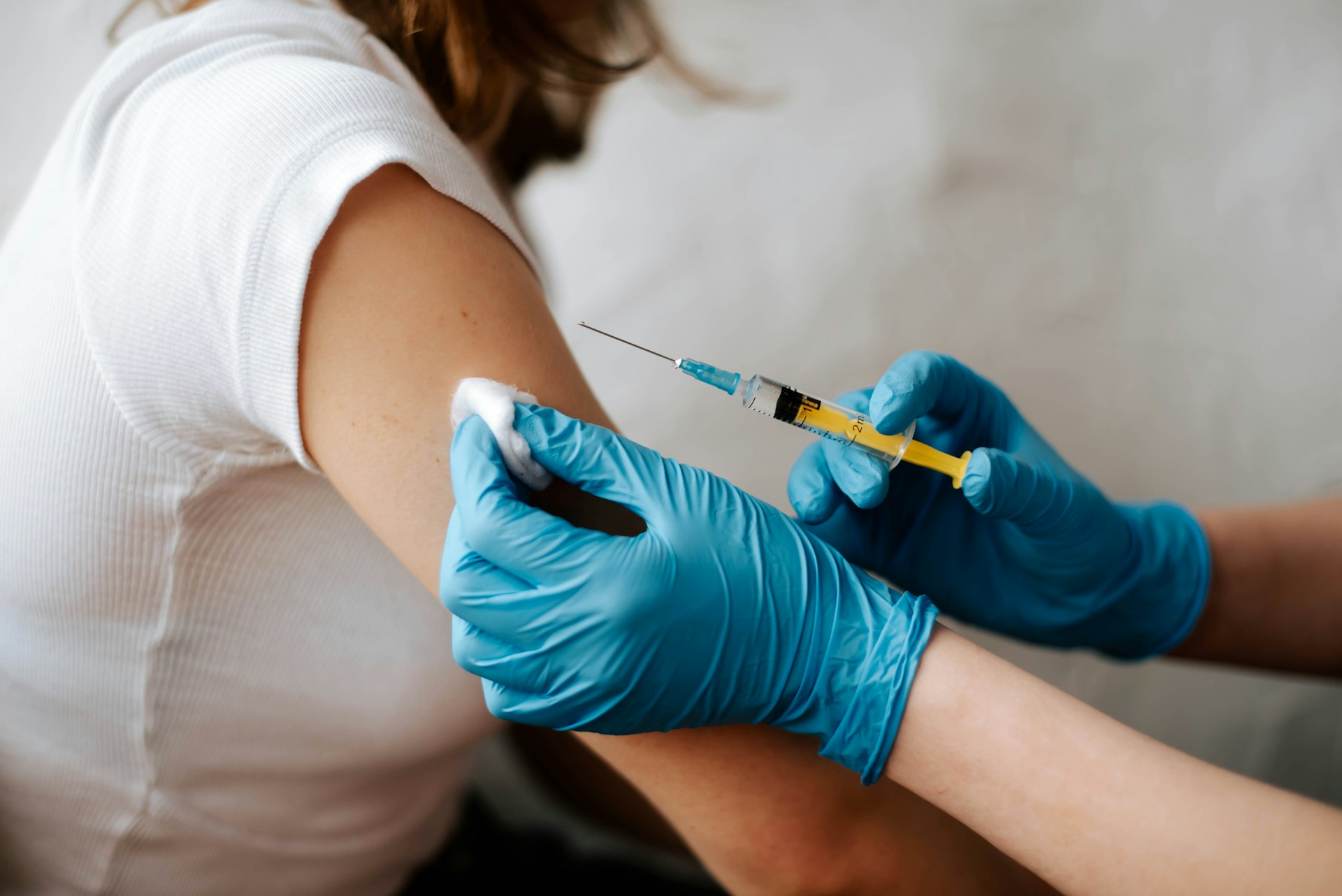
Why Immunizations Matter More Than People Think

According to the the World Health Organization (WHO), 1 in 5 unvaccinated travelers to certain regions develop hepatitis A.
Typhoid fever is most often contracted by Americans visiting friends or relatives abroad. Routine vaccines, such as influenza or tetanus, can reduce hospitalizations during travel by up to 80%. Immunizations simplify care if you do get sick, and they prevent you from unknowingly bringing infections back with you.
Travel Health and Chronic Conditions
For those with chronic illnesses like diabetes, asthma, or heart disease, planning is essential. Missed medication doses or poor management can quickly escalate into emergencies.
A pre-travel health appointment helps ensure you have enough medication, including extras for delays. It also ensures you understand how to store and transport medications safely, know how to access emergency care abroad, and have a medical summary available in case of hospitalization.
Skipping this planning can turn a manageable condition into a major health event mid-trip.
Why People Don’t Prepare—and Why Curaechoice Changes That

Curaechoice helps travelers get ahead of illness without financial fear. With no deductibles, copays, or coinsurance for preventive and diagnostic care, Curaechoice enables travelers to prepare confidently and cost-effectively. This includes travel health visits without sticker shock, access to preventive immunizations, prescriptions for destination-specific needs, and planning help for chronic conditions.
When you know care is covered, you’re far more likely to take advantage of it before boarding a plane.
A Long-Term View on Travel Health
International travel is on the rise again, but so are travel-related illnesses. The difference between a dream trip and a disaster often comes down to one thing: preparation.
Preventive travel care reduces medical emergencies, prevents unnecessary expenses, provides peace of mind, and lets you focus on your experience rather than the risks. With a little planning—and support from Curaechoice—you can enjoy your travels without fear of what could go wrong. Because the best memories are made when you're not worried about where to find a doctor or how much it will cost.
So plan the beaches. Book the wine tasting. Say yes to the mountain hike.
Just don’t leave your health behind.
Want to learn more about Curaechoice? Contact us.