
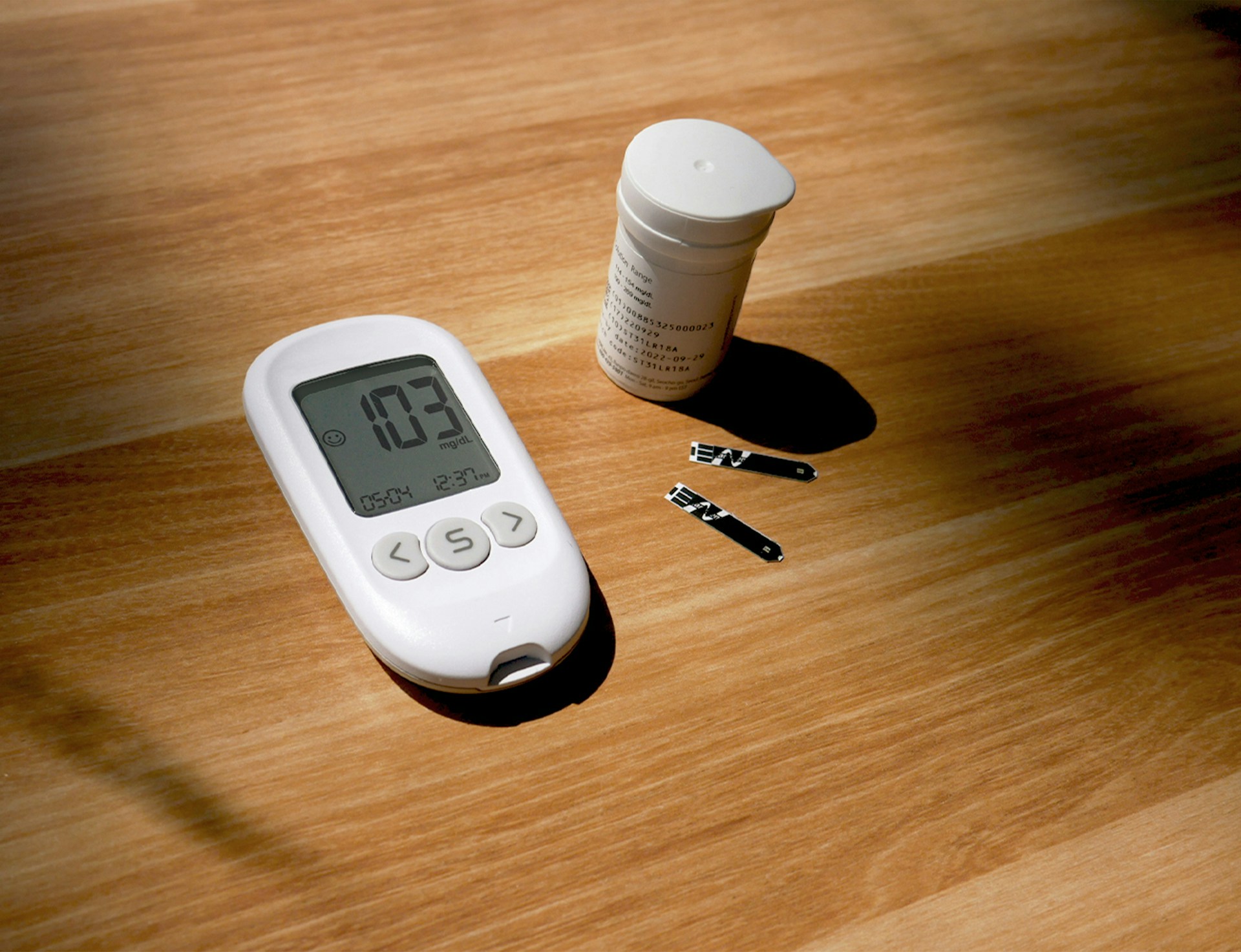
Prediabetes is often described as a warning, but it rarely feels like one.
Blood sugar levels are elevated, yet not high enough to meet the criteria for diabetes. Many people are told they are “close,” advised to watch their diet, exercise more, and check again next year. Because daily life usually feels unchanged, the message is easy to dismiss. For millions of adults, that quiet period becomes the most expensive missed opportunity in modern healthcare.
Prediabetes is not a neutral state.
It reflects real metabolic changes already underway. Insulin resistance is increasing, blood sugar regulation is weakening, and inflammation often rises alongside weight gain, stress, or disrupted sleep. While symptoms may be subtle or absent, damage is accumulating in the background. Blood vessels, nerves, and organs are exposed to higher glucose levels long before diabetes is formally diagnosed.
One of the challenges with prediabetes is that it exists in a space between reassurance and alarm. Patients hear that they do not have diabetes, which can sound like good news. Clinicians may hesitate to medicalize the condition too aggressively. As a result, monitoring becomes inconsistent, and lifestyle advice remains general rather than structured.
Time matters more in prediabetes than in many other chronic conditions.
This is the stage where progression can often be slowed or stopped. Small changes in diet, activity, sleep, and weight can meaningfully improve insulin sensitivity. Once diabetes develops, those same changes become harder to implement and less effective on their own.
Workplace pressures also contribute. Prediabetes does not disrupt productivity in obvious ways, so medical appointments fall low on the priority list. People tell themselves they will address it later, after a busy season or life transition. Unfortunately, metabolic changes do not pause for convenience.
The long-term costs of delayed action are significant. Once type 2 diabetes develops, care becomes more complex and more expensive. Medications are introduced, monitoring becomes frequent, and complications begin to accumulate. Diabetes increases the risk of heart disease, stroke, kidney failure, nerve damage, vision loss, and infections. Each complication adds layers of medical care and cost.
From an employer perspective, diabetes is one of the most costly chronic conditions in the workforce. Employees with diabetes experience higher rates of absenteeism, presenteeism, and disability claims. Healthcare costs rise steadily year after year. Many of these costs are the result of years of unmanaged or under-managed prediabetes.
Early Intervention vs. Long-Term Diabetes Costs

Cost without insurance. Basic blood glucose and A1C testing typically range from $150–$400 annually. Ongoing prediabetes monitoring—including repeat labs, office visits, and lifestyle counseling—can cost $1,000–$3,000 per year. Once type 2 diabetes develops, annual treatment costs frequently exceed $5,000–$15,000+, with additional expenses for medications, supplies, specialist care, and complication management.
Cost with Curaechoice. $0 for covered blood sugar screenings, preventive visits, follow-up evaluations, and diabetes risk–related care.
(Sources: Centers for Disease Control; National Institutes of Health)
Many people associate diabetes primarily with blood sugar checks and medication. In reality, diabetes reshapes daily life. Meal planning becomes medical. Travel requires preparation. Energy levels fluctuate. Minor injuries take longer to heal. The condition touches nearly every aspect of health and routine.
Prediabetes also interacts with other conditions in compounding ways. Elevated blood sugar worsens blood pressure control, accelerates cholesterol-related vascular damage, and increases inflammation. These overlapping risks multiply rather than add, making late intervention far more challenging.
Early engagement changes this trajectory. When people have access to consistent monitoring and clear information, prediabetes becomes actionable rather than abstract. Regular testing provides feedback. Small improvements are visible and motivating. Risk becomes something to manage, not fear.
Curaechoice can help.

For employers, the value of early intervention lies in prevention rather than reaction. Preventing even a fraction of diabetes cases reduces long-term medical spending, stabilizes productivity, and supports employee well-being. The savings are not immediate, but they are durable.
Prediabetes is often framed as a temporary state, something that might resolve on its own. In practice, it is a decision point. Action taken during this phase has an outsized impact on future health. Delay narrows options and increases costs.
Healthcare systems tend to spend the most money after conditions become severe. Prediabetes offers a rare opportunity to reverse that pattern. When access is easy and costs are predictable, people are more willing to act early.
The difference between prediabetes and diabetes is not just a lab value. It is the difference between prevention and management, between flexibility and constraint. That difference is shaped by timing, access, and follow-through.
Prediabetes speaks clearly to those who listen. When care is accessible and financially uncomplicated, that message is easier to hear and easier to act on.
Want to learn more about Curaechoice? Contact us.