
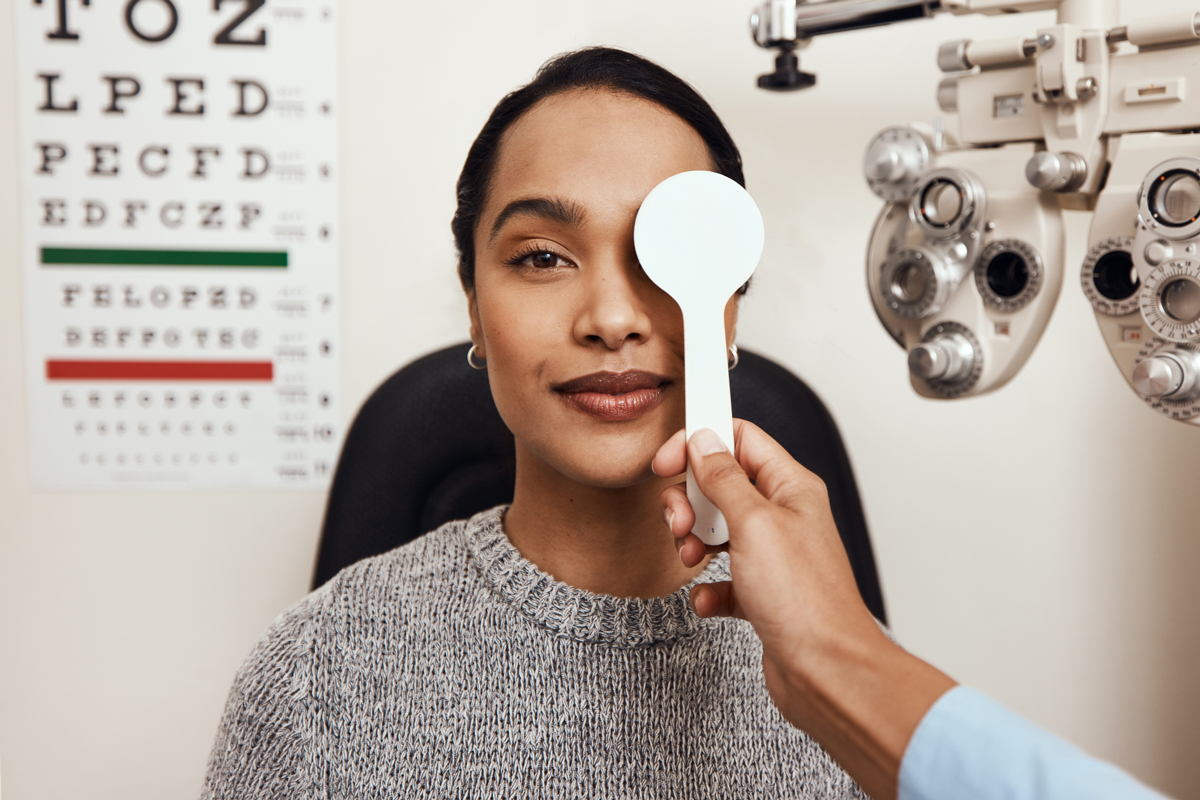
Vision care is often treated as optional—something to address only when eyesight noticeably declines or daily tasks become difficult.
This perception overlooks the role eye exams play in preventive health. Comprehensive vision care is not limited to correcting eyesight; it is a critical tool for early detection of eye disease and systemic health conditions that can progress quietly for years.
Many of the most serious vision-related conditions develop gradually and without early symptoms. By the time vision changes are obvious, damage may already be advanced and irreversible. Routine eye exams provide an opportunity to identify risks early, monitor changes over time, and intervene before vision loss affects independence, safety, and quality of life.
Understanding why vision care is often delayed—and what comprehensive eye exams actually detect—helps clarify why routine vision care should be viewed as essential preventive care rather than an optional expense.
Why people wait
A common misconception is that eye exams are only necessary when vision changes dramatically. Many adults assume that if they can still read, drive, and work comfortably, their eye health is intact. Gradual vision changes are easy to adapt to, masking early decline and reducing urgency to seek care.

Cost uncertainty is another significant factor. Vision coverage is often separate from medical coverage, and many people are unsure what exams, imaging, or corrective lenses will cost. When expenses feel unpredictable, routine eye care becomes easy to postpone.
Vision care is also frequently siloed from the rest of healthcare. Unlike primary care visits, eye exams are often framed as elective or cosmetic, reinforcing the idea that they are separate from overall health. This separation can cause individuals to underestimate the medical value of routine eye evaluations.
Together, these factors create a pattern of delay—not because vision care lacks importance, but because its preventive role is poorly understood and inconsistently supported.
What comprehensive eye exams actually detect
Eye exams do far more than update prescriptions for glasses or contact lenses. A comprehensive exam evaluates the overall health of the eyes and can reveal early signs of serious conditions long before symptoms appear.
Glaucoma, for example, often develops without pain or noticeable vision loss in its early stages. Regular eye exams can detect changes in eye pressure or optic nerve health before permanent damage occurs. Macular degeneration, another leading cause of vision loss, can also be identified early through retinal examination and imaging.
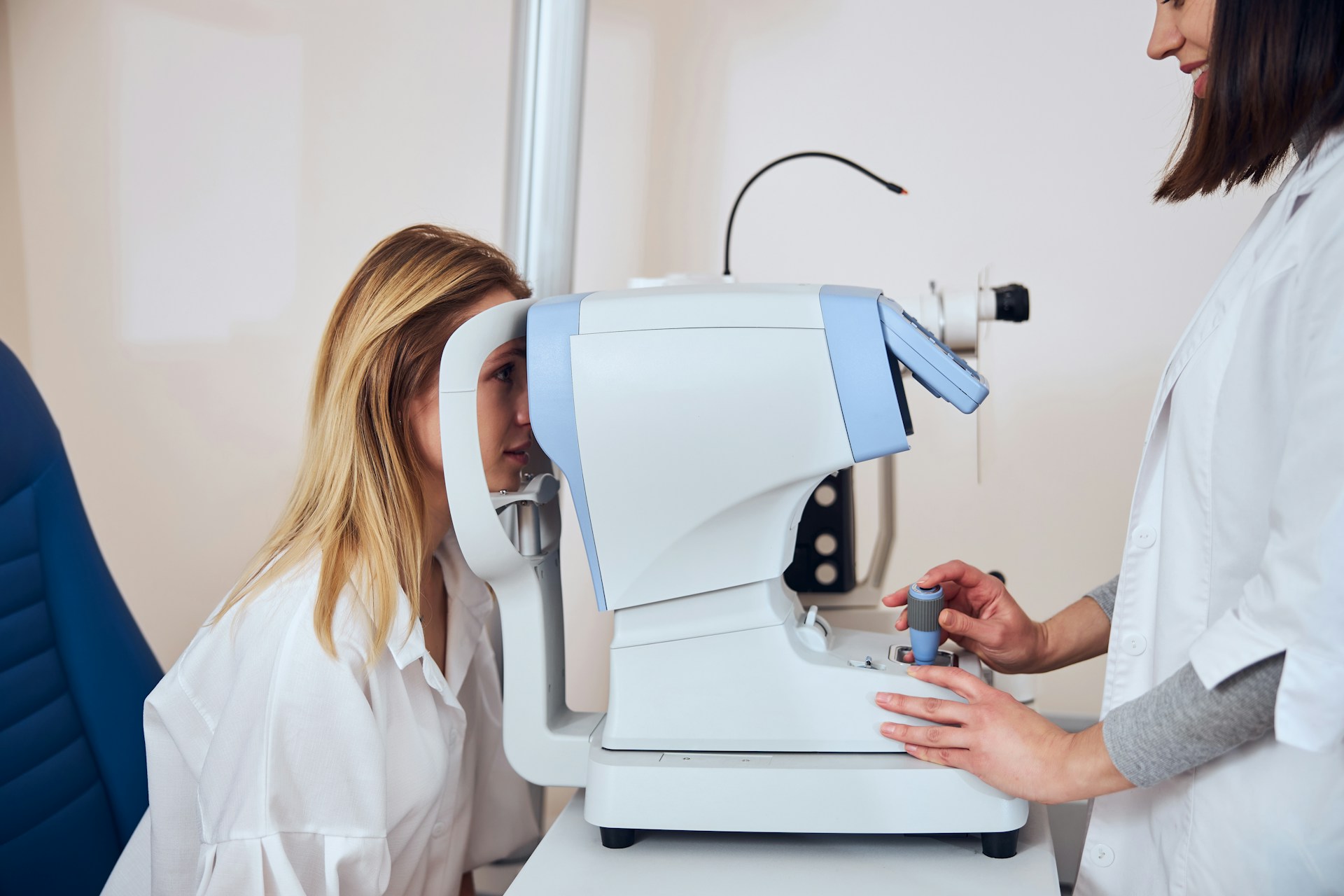
Eye exams are especially important for individuals with chronic conditions such as diabetes. Diabetic eye disease may progress silently, and early detection is critical to preserving vision. In some cases, eye exams can even reveal signs of systemic conditions such as hypertension or autoimmune disorders, as blood vessels and nerves in the eyes reflect broader vascular and neurological health.
These findings are not incidental. They are a core function of preventive vision care.
The cost of late detection
When eye conditions are detected late, treatment options become more limited and more costly. Vision loss often requires ongoing medical management, specialized treatments, or surgical intervention. In many cases, damage cannot be reversed—only slowed.
Beyond medical costs, vision impairment carries significant indirect consequences. Reduced vision affects the ability to drive safely, perform certain jobs, and navigate daily environments. Fall risk increases, particularly for older adults, leading to additional health complications and loss of independence.

Families are often affected as well. When vision declines, responsibilities may shift, and support needs increase. What begins as a health issue can quickly become a logistical and emotional challenge.
Early detection changes this trajectory. When conditions are identified early, monitoring and intervention can preserve vision, reduce long-term costs, and minimize disruption to daily life.
Why is vision risk underestimated
Vision loss rarely happens suddenly. Changes occur gradually, allowing people to compensate without realizing how much has shifted. Increasing screen brightness, adjusting font size, avoiding night driving, or favoring one eye over the other can all mask underlying issues.
Because these adaptations feel manageable, they delay care-seeking behavior. Without routine exams, individuals may remain unaware that damage is progressing.
This gradual nature makes preventive vision care particularly important. Regular exams establish baselines and track changes over time, revealing patterns that are invisible in day-to-day life.
The broader impact on daily life
Vision affects nearly every aspect of daily functioning. Clear sight supports safe driving, work productivity, balance, and spatial awareness. Even mild impairment can increase fatigue, headaches, and strain, affecting concentration and overall well-being.
As vision declines, independence often declines with it. Tasks that were once routine may require assistance. Confidence can be affected, particularly in unfamiliar environments. These changes ripple outward, influencing work performance, family dynamics, and long-term autonomy.
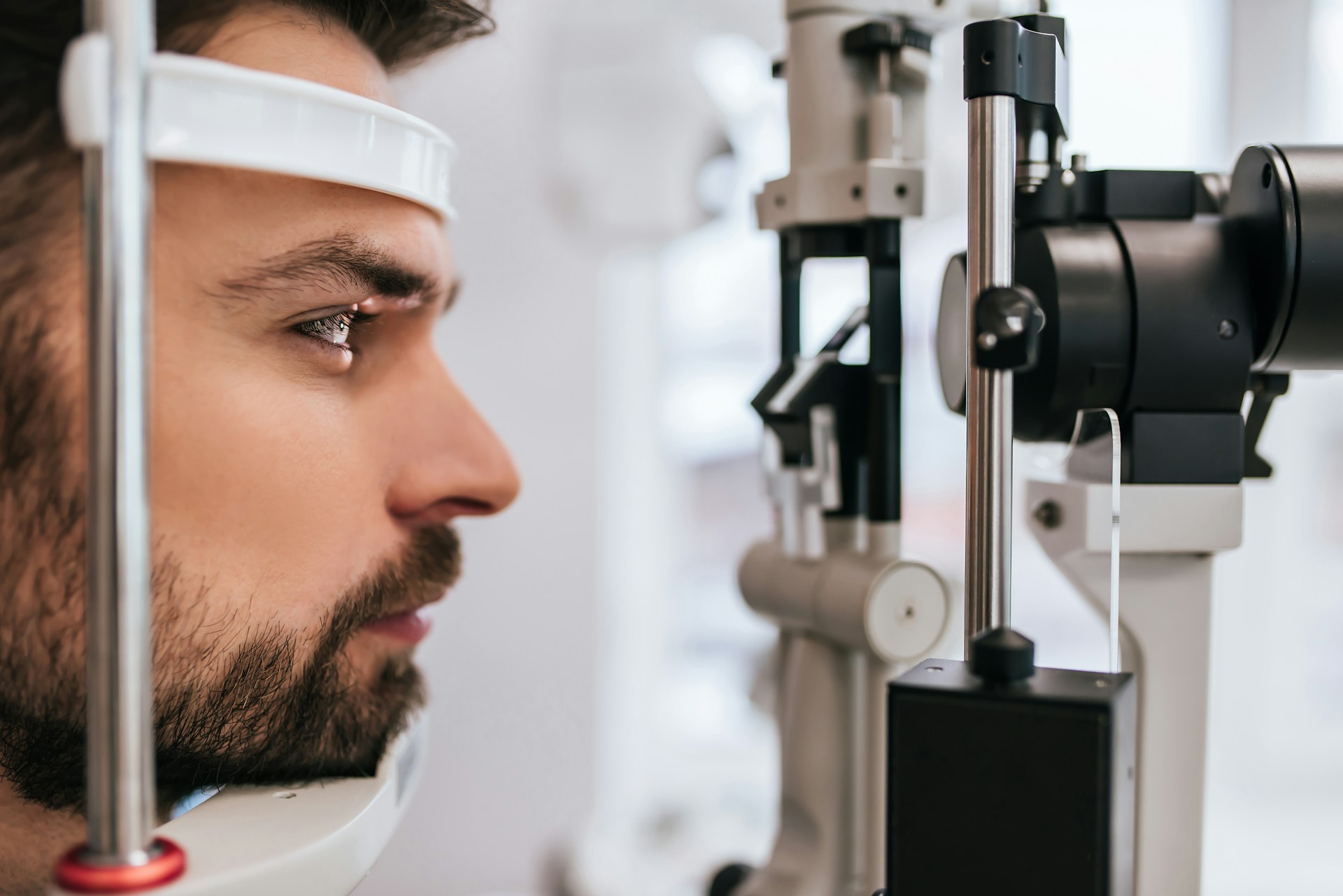
Preventive vision care helps preserve not just eyesight, but quality of life.
Vision care is preventive care. Regular eye exams are about maintaining awareness, catching changes early, and protecting long-term function. They support independence, safety, and continued engagement in work and daily activities.
Most vision-threatening conditions cannot be cured once advanced, but many can be managed effectively when detected early. The goal of preventive vision care is not overtesting, but continuity—ensuring that small changes are identified before they become life-altering problems.
How Curaechoice supports early vision care
One of the primary reasons people delay vision care is financial uncertainty. When routine eye exams feel optional and unpredictable in cost, they are often postponed.
Curaechoice helps remove that uncertainty by supporting access to routine vision care without deductibles, copays, or coinsurance. When members can schedule eye exams without hesitation, they are more likely to engage in preventive care early—when detection is simplest and outcomes are strongest.
By encouraging regular vision care, Curaechoice supports long-term eye health, protects independence, and helps prevent the downstream costs associated with late-stage vision loss.
Protecting vision early preserves safety, autonomy, and quality of life over the long term.

Crucial Preventive Vision Care Checklist
- Comprehensive eye exams. Regular exams assess overall eye health, not just visual acuity, and establish baselines for future comparison.
- Vision prescription evaluations. Updates ensure clear sight and reduce strain, headaches, and fatigue caused by outdated correction.
- Eye pressure testing. Monitoring intraocular pressure helps identify glaucoma risk before vision loss occurs.
- Retinal and optic nerve examinations. Evaluation of the retina and optic nerve detects early signs of macular degeneration, diabetic eye disease, and neurological changes.
- Systemic health indicators. Eye exams can reveal signs of conditions such as diabetes, hypertension, and vascular disease, supporting broader preventive care.
Want to learn more about Curaechoice? Contact us.