
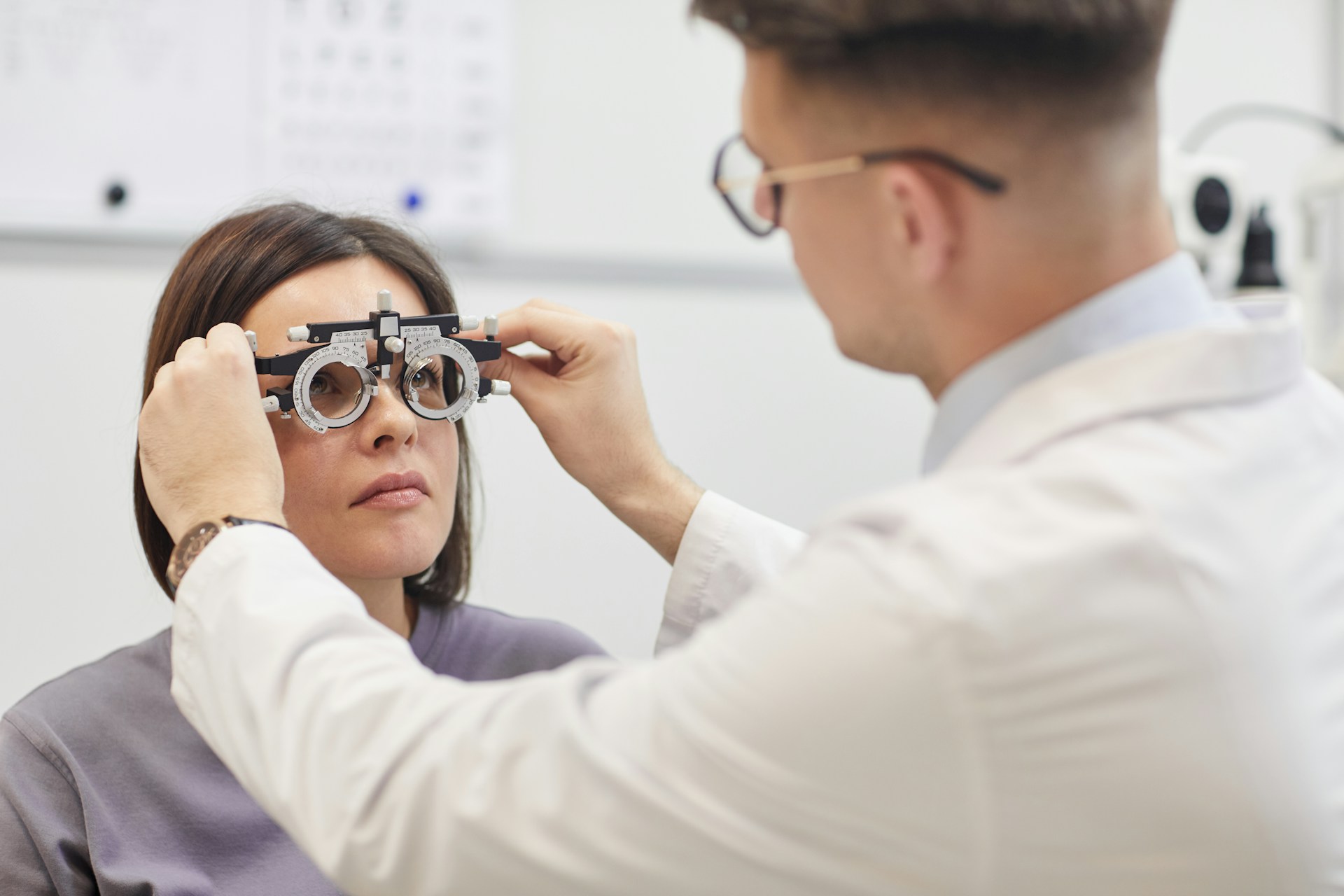
Few conditions affect quality of life as gradually and profoundly as cataracts.
Vision dims slowly, colors fade, and glare from headlights or sunlight becomes blinding.
Many people don’t realize how much sight they’ve lost until everyday activities—reading, driving, recognizing faces—become difficult. The good news is that cataract surgery, one of the most frequently performed and successful procedures in modern medicine, can restore clear vision in less than half an hour.
A cataract forms when proteins inside the eye’s natural lens clump together, scattering light and creating cloudiness. It’s a natural part of aging, though it can develop earlier due to diabetes, smoking, prolonged steroid use, or sun exposure. There’s no medication or eye drop that reverses it—once vision becomes impaired, surgery is the only treatment.
How Cataract Surgery Helps
Cataract surgery involves removing the clouded lens and replacing it with a clear artificial lens called an intraocular lens (IOL). The procedure is done under local anesthesia, and most patients remain awake but relaxed. A small incision is made in the cornea, ultrasound breaks up the cloudy lens, and the fragments are gently suctioned out. The new IOL is inserted and positioned perfectly to restore focus.
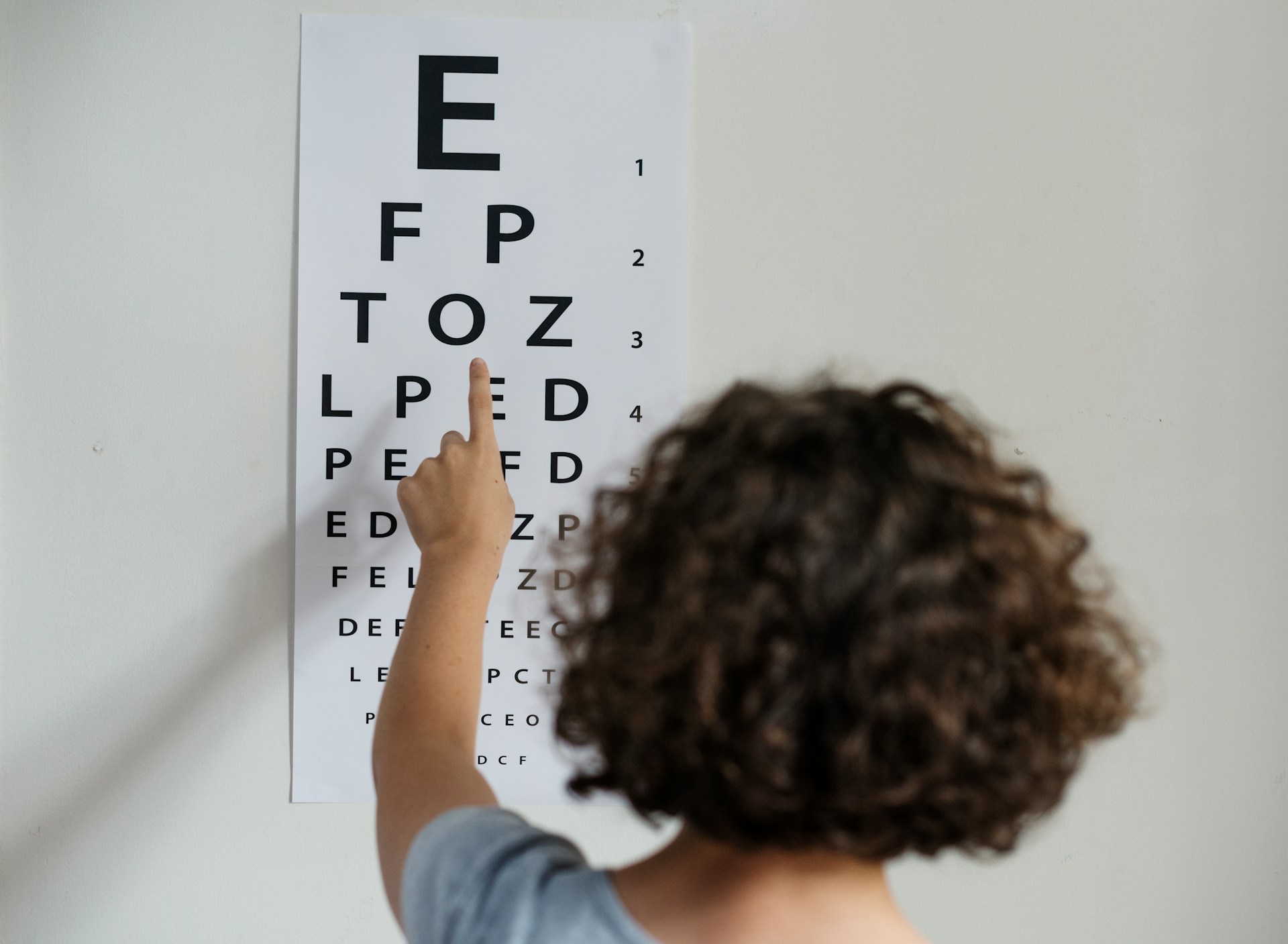
Cataract surgery is remarkably common—more than four million procedures are performed in the U.S. each year.
It’s also one of the most cost-effective treatments in healthcare, restoring independence and reducing fall risk for older adults. Still, the cost can vary widely. A standard cataract surgery averages $3,500 per eye. Premium lenses that correct for astigmatism or near/far vision can push that to $6,000 per eye. Even with insurance, patients often pay 20 percent coinsurance plus facility fees, easily totaling thousands of dollars.
Delaying Care Can be Dangerous
Many people delay surgery because of these costs, living with blurred or dim vision that affects safety and mental health. Cataracts can increase the risk of car accidents and falls, and can contribute to depression or isolation.
Curaechoice ensures cost never stands between a member and clear vision.Curaechoice ensures cost never stands between a member and clear vision.
For employers, Curaechoice’s approach means fewer absences, safer work environments, and employees who can stay active longer. For members, it means the priceless gift of sight restored without the fear of financial strain. Cataract surgery is one of the simplest paths to a better life—and Curaechoice makes it truly accessible to all.
Check Out: Birth Care Costs in America
Four Signs You May Have Cataracts
Blurry or dim vision that doesn’t improve with glasses.
Cataracts often start subtly—just a faint haze that makes fine print harder to read or headlights seem less crisp. Over time, that haze thickens, scattering light and dulling detail. People sometimes blame it on smudged glasses or needing a new prescription, but no lens adjustment can sharpen vision clouded from within the eye. If you notice persistent blur, fading contrast, or the need for brighter light to see clearly, it may be the first sign of a developing cataract.
Increased glare and sensitivity to light.
Glare is one of the most distinctive early symptoms. Bright sunlight, oncoming headlights, or reflections on wet pavement can create halos, starbursts, or painful brightness that make driving or outdoor activities uncomfortable. This sensitivity stems from how cataracts scatter light across the retina instead of focusing it precisely. Many people find themselves avoiding night driving or squinting constantly under fluorescent lighting

Colors appear faded or yellowed.
Cataracts gradually tint the lens, filtering light unevenly and muting the vibrancy of the world. Whites may take on a beige or yellow hue, while blues and purples look dull or gray. Some people don’t realize how much color they’ve lost until after surgery, when they describe everything as suddenly bright again—like “seeing in high definition.” If artwork, clothing, or nature’s greens and blues seem less lively, the lens itself may be the culprit.
Frequent prescription changes without clearer vision.
When cataracts are forming, vision may fluctuate from week to week. You might find yourself updating your glasses often, only to discover that each new pair helps less than before. The problem isn’t the lenses—it’s the cloudy film developing inside the eye. If you’ve replaced glasses several times but still struggle with clarity, it’s time for a comprehensive eye exam rather than another prescription tweak.
What's New: Curaechoice Selects CVS Caremark as its PBM
Cataracts rarely cause pain or sudden vision loss, which is why they’re easy to overlook until they interfere with daily life.
But early detection allows for better planning and smoother recovery. If these symptoms sound familiar, scheduling a simple dilated eye exam can confirm whether cataracts are to blame.
With Curaechoice, members have immediate access to trusted eye specialists and fully covered cataract care—from diagnosis to surgery and follow-up—without financial stress.
Interested in learning more about Curaechoice? Contact us.