

Flossing is one of the most widely known pieces of health advice—and one of the most ignored.
Many people brush twice a day, see the dentist occasionally, and assume that is sufficient. Flossing is treated as optional, tedious, or an easy habit to skip when life gets busy.
What is often missing from the conversation is that flossing is not only about teeth. It plays a significant role in preventing gum disease, supporting heart health, and reducing inflammation throughout the body.
Over time, this reduction in inflammation can help prevent costly dental and medical problems later in life. The gap between what people know about flossing and what they actually do is large. Understanding why that gap exists—and what it costs over time—helps explain why dental care is closely connected to overall health. Brushing cleans the surfaces of the teeth.
Flossing cleans the spaces between them—areas where bacteria and food particles accumulate and where toothbrush bristles cannot reach.
These spaces are prime locations for plaque buildup.
Learn About: Type 2 Prediabetes: The Missed Window Before Diabetes Develops and the Cost of Delaying Care
The Problem with Plaque
When plaque remains between teeth, it hardens into tartar, which can only be removed through professional cleaning. As tartar accumulates, it irritates the gums and leads to gingivitis. If left untreated, gingivitis can progress into periodontal disease, a chronic inflammatory condition that damages the tissues supporting the teeth.

Flossing Can Save Your Teeth and Pocketbook
Routine flossing also helps prevent costly dental treatments such as deep cleanings, root canals, and extractions. It improves breath and overall oral comfort, contributing to confidence in everyday interactions. These benefits build gradually. Just a few minutes a day can prevent years of treatment later.
Research increasingly links periodontal disease with conditions such as heart disease, diabetes, and adverse pregnancy outcomes. Chronic inflammation in the gums can worsen systemic inflammation, a known contributor to many chronic illnesses.

For those with heart disease, ongoing oral inflammation may increase cardiovascular risk. This does not mean flossing alone prevents these conditions, nor does it eliminate them. However, flossing removes one persistent source of inflammatory burden, which is an important part of overall risk reduction.
One reason flossing is neglected is that it offers no immediate reward. Unlike brushing, which quickly creates a clean feeling, the benefits of flossing are largely invisible and long-term. That makes it easy to deprioritize.
Many people believe flossing is only necessary when food gets stuck between teeth or when gums bleed. In reality, bleeding is often a sign that flossing is overdue, not unnecessary. Discomfort also plays a role. Inflamed gums can be tender, and early flossing may cause bleeding, which reinforces avoidance rather than consistency.
As a result, flossing becomes a habit people intend to start “eventually,” while damage slowly accumulates in the background.
Avoidance often extends beyond flossing to professional dental care. Cleanings are delayed. Early signs of gum disease go unchecked. Small cavities grow larger.
Curaechoice Expands: Curaechoice and Fast Pace Health Partner to Expand Affordable Healthcare Access Across Multiple States
Cost is a Big Factor in Delayed Dental Care
Dental care frequently involves out-of-pocket expenses that feel discretionary compared to medical care. Some people fear that a routine visit will uncover problems they cannot afford to fix. Others avoid care due to dental anxiety, which is both common and persistent. Past experiences, discomfort, or fear of judgment can all discourage visits.
Unfortunately, delayed dental care almost always costs more in the long run—both financially and medically.
Early gum disease is reversible. Professional cleanings combined with improved daily habits can restore gum health. As disease progresses, treatment becomes more intensive. Deep cleanings, surgery, or tooth replacement may be required in advanced periodontal disease.
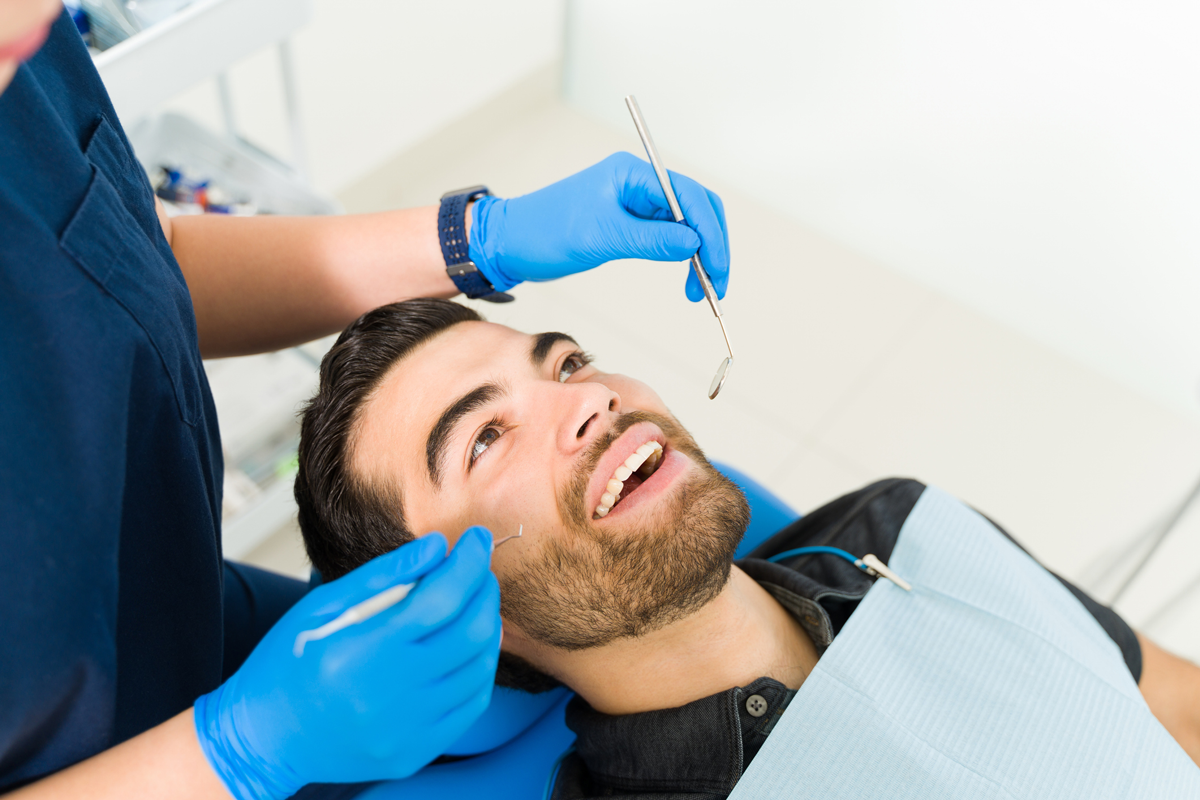
Dental care is often treated separately from medical care, but the body does not operate in compartments. Oral health affects inflammation, immune response, and chronic disease risk. Preventive dental care—daily flossing and regular cleanings—helps maintain balance in this system.
This approach reduces emergency dental visits and lowers the risk of complications that can extend into medical care. It is especially important for adults with chronic conditions, where oral infections can complicate treatment and recovery.
Flossing does not need to be perfect to be effective. Doing it most days is far better than doing it occasionally or not at all. Technique improves with practice, and discomfort usually decreases as gums heal.
The goal is not flawless oral hygiene. It is managing bacterial load and inflammation consistently enough to prevent disease progression. Small, repeated habits protect long-term health.
Tooth loss, gum disease, and oral infections carry costs beyond dental bills. They affect nutrition, self-esteem, communication, and overall well-being. For some individuals, they contribute to social withdrawal or dietary limitations.
From a cost standpoint, neglected oral health often leads to escalating expenses. Advanced periodontal disease can require deep cleanings, scaling and root planing, periodontal surgery, or tooth replacement, all of which can be costly. Emergency dental visits and treatment of oral infections further increase financial burden.
These costs rarely appear all at once.
They accumulate gradually through years of delayed care, turning minor, preventable issues into complex and expensive treatment plans.
How Curaechoice Helps
Uncertainty around cost—fear of cleanings, follow-up treatments, or unexpected findings—often leads people to delay dental care. Curaechoice helps remove those barriers by supporting preventive dental services without deductibles, copays, or coinsurance.

Flossing may seem minor, but it is one of the most effective preventive habits available. When combined with accessible dental care, it protects more than teeth, supporting long-term health while reducing unnecessary cost over time.
Preventive Dental Care vs. Advanced Oral Health Treatment Costs
Cost with insurance. Routine cleanings are often covered or low-cost, but delayed care can result in copays and coinsurance for deep cleanings, periodontal treatment, root canals, extractions, and infection management. Over time, out-of-pocket costs can add up to several thousand dollars, even with coverage.
Cost without insurance. Routine dental cleanings typically cost $100–$200 per visit. Deep cleanings (scaling and root planing) can range from $300–$1,000. Root canals often cost $900–$1,500, and treatment for advanced periodontal disease, oral infections, or tooth replacement can reach $2,000–$10,000+ depending on severity and extent of care.
Cost with Curaechoice. $0 for covered preventive dental cleanings, exams, and necessary follow-up care.
Want to learn more about Curaechoice? Contact us.
(Sources: American Dental Association; Healthcare Bluebook)