
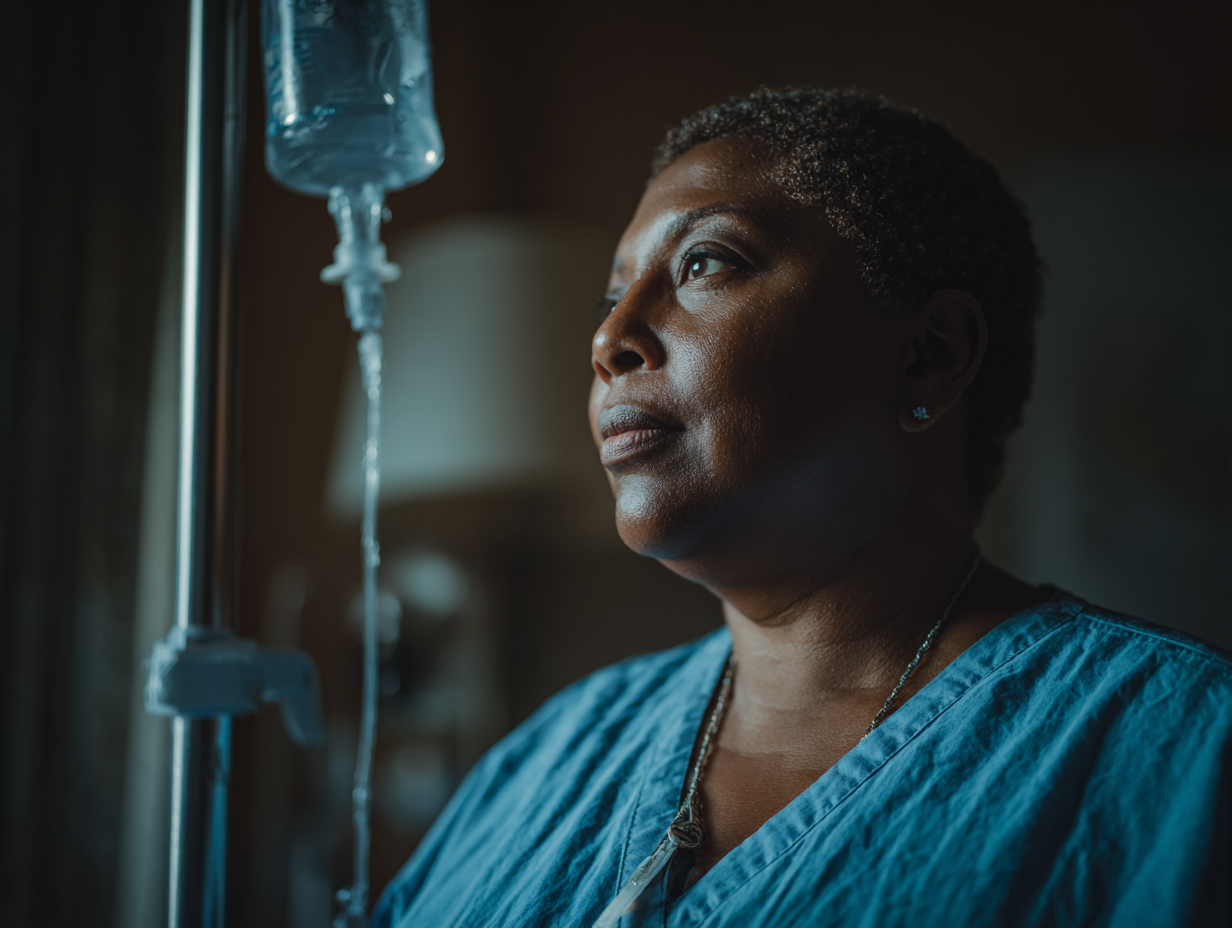
High blood pressure, also called hypertension, is often called the silent killer.
For millions of people, it develops slowly, quietly, and without dramatic warning signs.
The body adapts to the extra force in the arteries, and by the time symptoms do appear, damage to the heart, brain, or kidneys may already be underway.
In the United States, nearly half of adults either have hypertension or are taking medication to control it. Worldwide, the World Health Organization estimates that more than a billion people live with the condition. Because it is so widespread, understanding the subtle ways it can show itself is critical. Recognizing the signs of high blood pressure early can prevent strokes, heart attacks, kidney disease, and other life-threatening complications.
Why Hypertension Matters
Blood pressure measures the force of blood pushing against the walls of arteries. A normal reading is generally around 120/80 mmHg. Hypertension is diagnosed when readings consistently measure 130/80 mmHg or higher. Over time, this extra pressure causes arteries to stiffen and narrow, forcing the heart to work harder.

The danger is not just the numbers themselves, but the gradual damage high blood pressure causes throughout the body. Chronic hypertension increases the risk of heart disease, aneurysm, stroke, and dementia. It is also one of the leading contributors to chronic kidney disease. Because the progression is often silent, many people live with hypertension for years without realizing it.
Early Symptoms of High Blood Pressure That May Appear
While many cases remain symptom-free, some people do experience warning signs. These symptoms are often subtle, inconsistent, or mistaken for other conditions, but they can be important red flags:
- Headaches, especially in the morning or concentrated at the back of the head.
- Dizziness or a sensation of lightheadedness.
- Blurred vision, seeing spots, or other visual disturbances.
- Shortness of breath with mild exertion.
- Nosebleeds that occur more frequently than usual.
- Palpitations or a racing heartbeat.
- Fatigue or a general feeling of being unwell.
These symptoms are not exclusive to high blood pressure and can be caused by many other issues. That is why routine monitoring is so important. Relying only on how you feel is not enough; the numbers tell the true story.
Read About: Breast Cancer - Surgery, Treatment and Cost
When Symptoms Become Severe
In some cases, hypertension escalates into what is known as a hypertensive crisis, where readings rise above 180/120 mmHg. This is a medical emergency that requires immediate attention. Warning signs include severe chest pain, sudden shortness of breath, confusion, changes in vision, or weakness on one side of the body. Left untreated, a hypertensive crisis can lead to stroke, heart attack, or organ failure.

Even outside of crisis situations, uncontrolled high blood pressure increases the risk of long-term complications. People with sustained hypertension are more likely to develop atrial fibrillation, coronary artery disease, and vascular dementia. Recognizing changes early can help prevent these outcomes.
Groups at Higher Risk
Anyone can develop hypertension, but certain groups face greater risk. Age is a major factor; the likelihood of high blood pressure increases steadily with each decade of life. Family history also plays a role.
Other risk factors include:
- Obesity or overweight
- Diabetes
- High-sodium diet
- Sedentary lifestyle
- Smoking and alcohol use
- Chronic stress
Certain populations are disproportionately affected. In the United States, African American adults are more likely to develop hypertension at younger ages and experience more severe complications. This disparity reflects a mix of genetic predisposition, social determinants of health, and access to care.
Also Read: CT Scans: What they Examine and Cost
The Problem of Silent Progression
The fact that hypertension often produces no symptoms is one of the greatest challenges in addressing it. Many people discover their condition only after a major health event, such as a stroke or heart attack. Routine screening, either through annual physical exams or home monitoring, is the most reliable way to catch high blood pressure early.
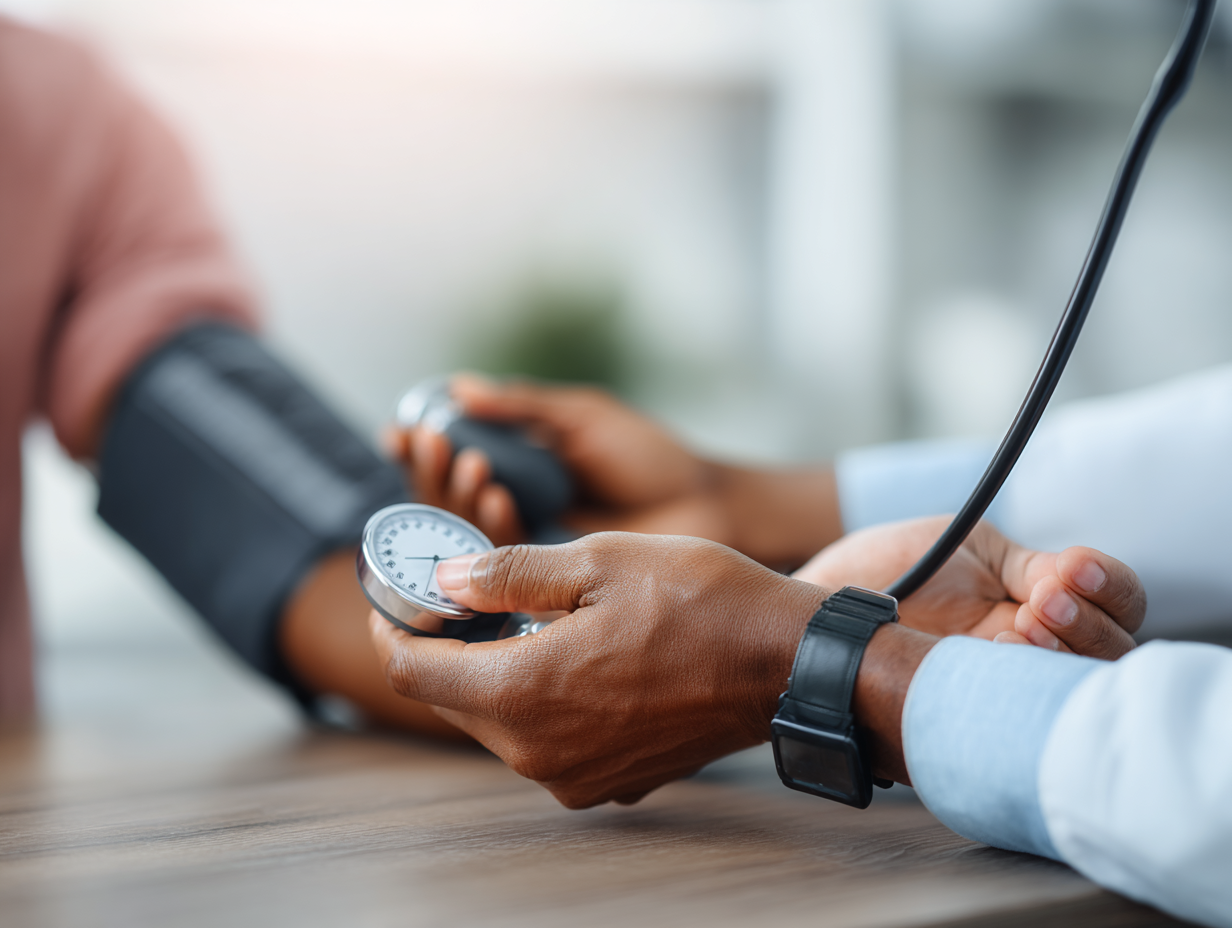
Technology has made this easier. Affordable digital blood pressure cuffs allow patients to track readings at home, providing valuable data for physicians. Consistent measurement—always at the same time of day, in a calm setting—offers the clearest picture of how blood pressure behaves over time.
Lifestyle Changes That Make a Difference
For people diagnosed with hypertension, lifestyle adjustments are often the first line of defense. Reducing sodium intake, maintaining a healthy weight, exercising regularly, and moderating alcohol consumption all lower blood pressure. Stress management techniques, such as meditation, yoga, or breathing exercises, can also help.

The DASH diet—Dietary Approaches to Stop Hypertension—has strong evidence supporting its effectiveness. It emphasizes fruits, vegetables, whole grains, lean proteins, and low-fat dairy, while limiting saturated fats and added sugars. Even modest changes, like cutting back on processed foods, can produce measurable improvements.
Medications and Treatment Options
When lifestyle changes are not enough, doctors may prescribe medications. Common classes include diuretics, ACE inhibitors, beta-blockers, calcium channel blockers, and angiotensin II receptor blockers (ARBs). Each works in a different way, either by relaxing blood vessels, reducing blood volume, or decreasing the workload on the heart.
Treatment is highly individualized. Some patients respond well to a single medication, while others require a combination. Regular follow-up is essential to track effectiveness, adjust doses, and monitor for side effects. With proper management, blood pressure can be brought back into a healthy range, significantly reducing long-term risks.
The Importance of Consistent Care
One of the major barriers in hypertension management is consistency. Medications only work if taken as prescribed, and lifestyle changes only matter if sustained over time. Missed appointments, skipped prescriptions, and lack of follow-up allow blood pressure to rise again, undoing progress.
This is where access to affordable, ongoing care becomes critical. Patients who face high out-of-pocket costs may delay doctor visits, skip medications, or avoid monitoring altogether. The long-term consequences are far more expensive than preventive care, but the financial pressure in the moment often dictates decisions.
Why Hypertension Awareness Saves Lives
The story of hypertension is ultimately about vigilance. Because symptoms can be subtle or absent, awareness means knowing the risks, understanding the possible warning signs, and prioritizing regular checkups. Simple steps—taking your blood pressure at home, visiting a doctor annually, eating a balanced diet—add up to powerful protection against serious disease.
Even for those already diagnosed, awareness is empowering. Knowing that lifestyle choices and treatments are effective tools allows patients to take control of their health. The difference between silent progression and active management is often the difference between a shortened lifespan and decades of healthy living.
How Curaechoice Helps Patients with High Blood Pressure
Managing hypertension is not just about recognizing the signs—it’s about having access to care that is consistent, affordable, and easy to use. That’s where Curaechoice makes the difference.
With Curaechoice, members never face copays, deductibles, or coinsurance when seeking treatment through our trusted provider network. That means office visits, diagnostic tests, and even long-term management plans for blood pressure can be pursued without worrying about out-of-pocket costs. Our programs also integrate pharmacy support, vision care, and chronic condition management—helping patients stay on track with prescriptions, lifestyle adjustments, and ongoing monitoring.

By removing the financial barriers that so often cause patients to delay care, Curaechoice ensures that high blood pressure is caught early and treated effectively. It’s a proactive, patient-first approach that prevents costly complications and supports healthier lives for employees and their families.
Take control of hypertension with zero-cost care. See how Curaechoice makes managing your health simpler, smarter, and stress-free.