

Pediatric preventive care is often brushed off as just another routine on the parenting checklist—but its impact? Anything but ordinary.
These early wellness visits quietly shape how kids grow, learn, and interact with healthcare for the rest of their lives. When done consistently, they can prevent serious issues from ever taking root. But when skipped or delayed? What starts as a small gap can quietly widen into lifelong challenges.
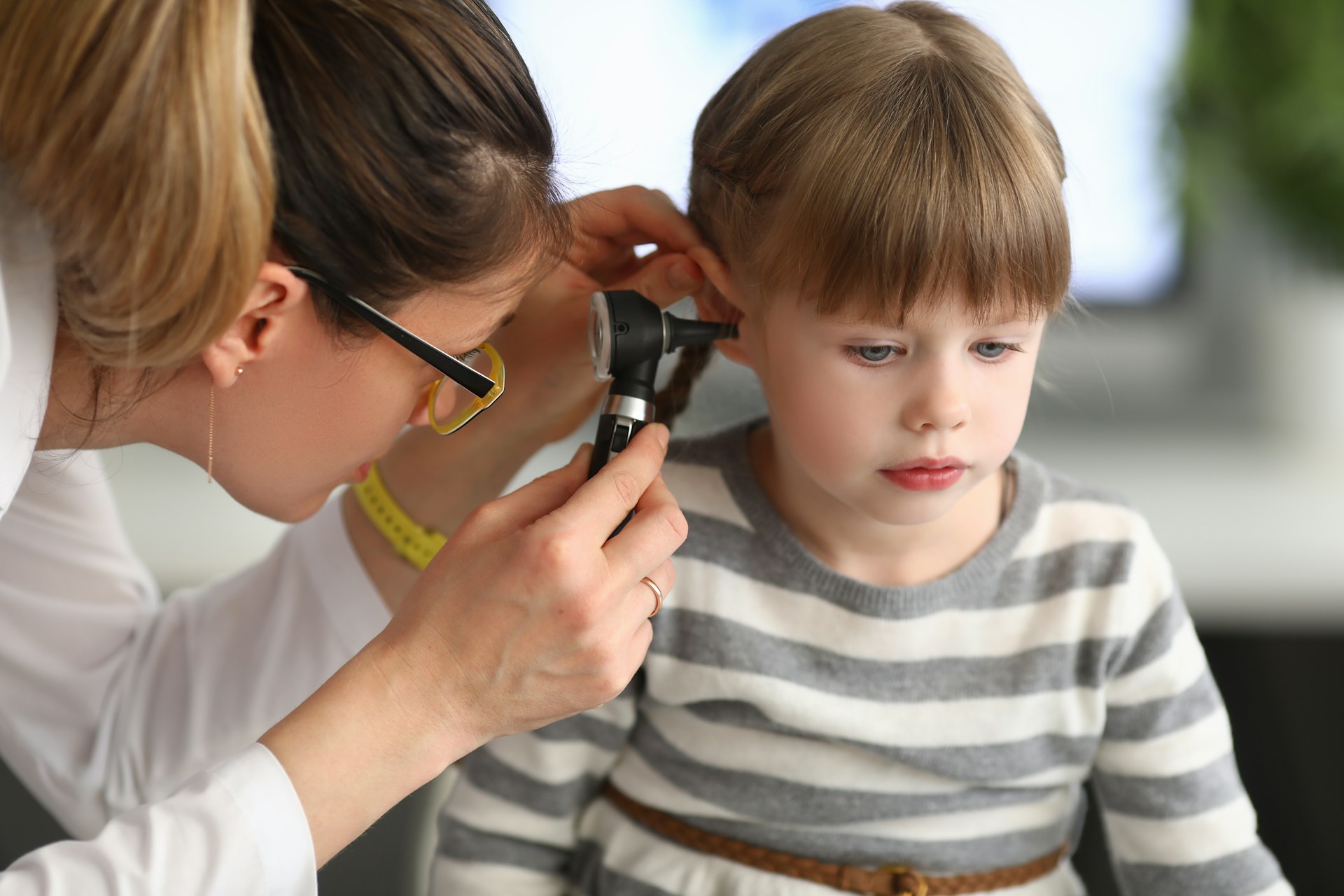
Preventive care in childhood isn’t just about tracking height and weight on a chart. It includes developmental screenings, vision and hearing checks, behavioral evaluations, and open conversations about sleep, nutrition, and social development. These check-ins allow clinicians to observe trends over time, rather than waiting for something to go visibly wrong.
Learn about: Urgent Care vs. ER Visits
What makes pediatric preventive care especially powerful is the timing. A child’s early years are a window of rapid brain and body development. When concerns are spotted early, interventions are usually easier, quicker, and far more effective than they would be down the line.
Still, well-child visits are some of the most frequently postponed medical appointments.
Often, it’s not because parents don’t care. Many simply figure, “My child seems fine.” Others face real challenges—tight schedules, transportation issues, time off work, or surprise bills from a previous visit. Even care that’s labeled “preventive” can start to feel like a luxury when unexpected charges are involved.
But here’s the issue: many developmental or health concerns don’t wave red flags. Learning differences, behavioral challenges, sensory sensitivities, or speech delays can be subtle—easy to miss without structured screening.
Take Melissa, for example.
By the time her son hit kindergarten, Melissa noticed he was having a hard time in class. He was smart and full of curiosity, but struggled to express himself clearly. When he couldn’t be understood, he’d shut down.
A speech evaluation uncovered delays that had likely been there for years.
Looking back, Melissa remembered skipping his three-year well-child check. At the time, it felt like a minor choice. Her son was affectionate, active, and talkative at home. The visit conflicted with her work schedule, and the last checkup had come with unexpected fees. Nothing seemed urgent enough to justify the hassle.

If he’d been screened earlier, speech therapy could have started before school frustration crept in. Instead, intervention came after his confidence had already taken a hit. He still made progress—but it took longer and required more coordination between teachers, specialists, and home.
Also read: Hidden Signs of Kidney Disease
Stories like Melissa’s are far from rare—and they’re a reminder that pediatric preventive care is about much more than illness. It’s about guiding development before problems start interfering with learning, behavior, or self-esteem.
When intervention starts early, it usually fits more naturally into a child’s life. Speech therapy, occupational therapy, behavioral support—these can be introduced gently and at a pace that works for the child. And kids, especially young ones, are wonderfully adaptable. Early support often means faster progress and fewer disruptions.
Families benefit, too. Instead of wondering and waiting, parents get clear answers and guidance. That kind of clarity reduces stress and allows families to plan, rather than react.
On the flip side, when care is delayed, things get harder. Problems are often identified later, when habits and patterns are already in place. Support becomes more intensive. Kids may struggle academically or socially before anyone realizes help is needed. And families often find themselves juggling multiple services at once—speech therapy, tutoring, counseling—all while managing work, home, and school schedules.

These delays don’t just strain families emotionally. Over time, they can drive up education costs, increase healthcare usage, and create stress that ripples through the whole household. Many of those long-term burdens can be traced back to early missed opportunities.
Pediatric preventive care also plays a key role in catching chronic conditions before they escalate. Asthma, hearing loss, vision problems, even certain metabolic issues—when identified early—can often be managed with less disruption to daily life. That means fewer ER visits, fewer missed school days, and fewer long-term complications.
And the ripple effects go beyond childhood. Kids who grow up with regular, positive healthcare experiences are more likely to engage with healthcare as adults. They learn that doctor visits aren’t just for when you’re sick—they’re a tool to help you stay well.

But for all the benefits, preventive care still requires access. When appointments feel financially risky or tough to fit in, even proactive parents end up delaying. And over time, that delay starts to feel normal.
That’s why reducing hesitation matters so much.
How Curaechoice Makes Pediatric Preventive Care Easier to Access
For many parents, the barrier to preventive care isn’t a lack of concern—it’s uncertainty. Questions about cost, insurance coverage, or where a visit might lead often hold families back.
Curaechoice helps remove that uncertainty by making routine pediatric care easier to access and afford. By covering screenings, checkups, and early intervention services without deductibles, copays, or coinsurance, we make it possible for families to get care when it’s recommended, not just when it feels “worth the risk.”
When preventive care happens on time, kids get the support they need early—when it’s most effective and least disruptive. That early support can shape a child’s health, education, and confidence for years to come. And it gives families the stability to plan ahead, not just catch up.
Because in the long run, routine pediatric care isn’t just a checkbox—it’s a foundation. And every child deserves to build on solid ground.
*The example described above is a composite scenario intended to illustrate common healthcare experiences. It does not represent a specific individual.
Want to learn more about Curaechoice? Contact us.