

It doesn’t always begin with pain.
Sometimes it begins with silence.
A man in his sixties goes for his annual checkup, feeling fine. He’s retired, spends mornings tending his garden, afternoons reading on the porch. His doctor orders routine bloodwork. A week later, the call comes: his kidneys are failing. He stares at the phone in disbelief. How could something so serious have been happening with no real warning?
That’s the trap of kidney disease. It advances quietly, often without symptoms until it’s already severe. By the time fatigue, swelling, or shortness of breath appear, significant damage may be done.
Also Read: Skin Cancer Screening Costs
Millions live with chronic kidney disease (CKD) without knowing it, and many only find out when they’re already in crisis. The kidneys, tucked quietly in the lower back, work tirelessly—filtering waste, balancing fluids, controlling blood pressure, even helping make red blood cells. When they falter, the effects ripple through the whole body.
But the signs, subtle as they may be, are there. Let's take a look.
Fatigue That Defies Explanation
We all feel tired. But kidney-related fatigue feels different.
It’s the kind of exhaustion that sleep doesn’t fix. The kidneys produce a hormone, erythropoietin, that stimulates red blood cell production. When kidneys fail, fewer red blood cells are made. That means less oxygen delivered throughout the body. The result is a drained, weak feeling that lingers no matter how much rest you get. People describe it as carrying a hidden weight everywhere they go.
Swelling in Unexpected Places

The kidneys regulate fluid balance.
When they falter, fluid builds up. Ankles swell, feet puff, sometimes even hands or face. Rings stop fitting. Shoes feel tight.
Some wake in the morning with puffy eyes that fade as the day goes on. At first it looks cosmetic, something you might blame on salt or a bad night’s sleep. But repeated swelling, especially with other symptoms, is a sign that the body is struggling to move fluids properly.
Trouble Catching Your Breath
Shortness of breath is another early clue. Fluid buildup may spill into the lungs. Anemia may reduce oxygen delivery. Tasks once simple—climbing stairs, carrying groceries—become labored. Some patients notice they need to prop themselves up with extra pillows at night just to breathe comfortably. It’s not the heart alone; the kidneys are part of the story.
Learn About: Arthritis and Joint Treatment Options
Changes in Urination
Because kidneys filter waste, changes in urination are often the first red flag. Some people notice increased nighttime trips. Others see foamy urine, a sign of protein leakage.
Urine may turn darker, or blood may appear. Sometimes output decreases dramatically. These shifts are easily overlooked or explained away, but they’re critical signals of trouble in the filters of the body.
Itching and Dry Skin

As waste products accumulate, skin suffers. Persistent itching, often without rash, is a classic sign. Dryness becomes severe, resistant to lotions.
The sensation can be maddening, disrupting sleep and focus. It’s a symptom people often keep to themselves, not realizing it may trace back to kidney health.
Muscle Cramps
Night cramps in the legs, twitching, spasms—these can all be connected to kidney disease. Damaged kidneys can’t keep electrolytes like calcium, phosphorus, and potassium in balance. The muscles react with cramping, sometimes painful enough to wake you from deep sleep.
Loss of Appetite, Nausea, or Metallic Taste
Toxins normally cleared by the kidneys build up in the bloodstream. Appetite fades. Food loses its appeal, sometimes tasting metallic. Nausea and vomiting may follow. Weight loss becomes unintentional. This isn’t the natural ebb and flow of hunger—it’s the body signaling distress.
High Blood Pressure That Resists Treatment
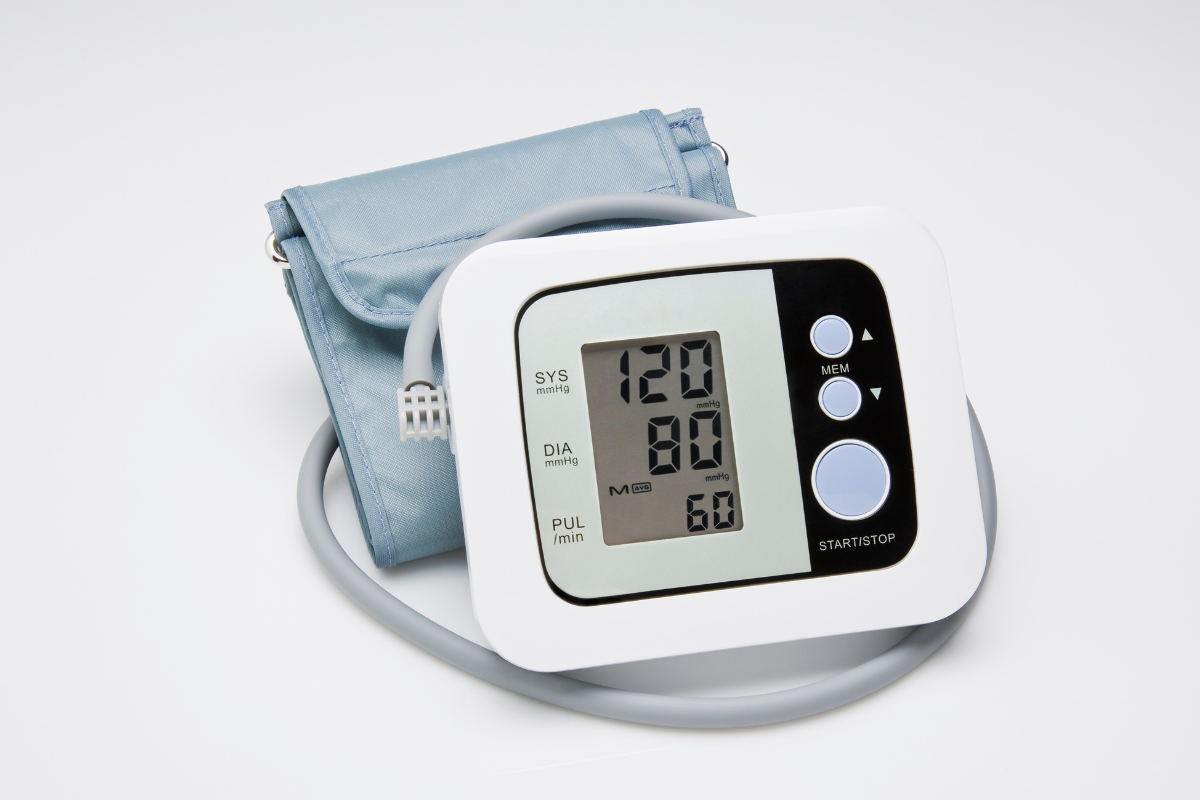
The relationship between kidneys and blood pressure is a vicious cycle. High blood pressure damages kidneys; damaged kidneys drive blood pressure higher. When blood pressure won’t come down with medication or lifestyle changes, kidney disease may be hiding underneath.
Brain Fog and Sleep Problems
Waste buildup in the blood also clouds the brain. Concentration slips. Memory falters. Sleep patterns unravel. Restless legs or insomnia creep in. These problems are easy to dismiss as aging or stress, but often they’re signs of a deeper imbalance tied to failing kidneys.
Skin and Color Changes
Pale, sallow, or unusually darkened skin sometimes accompanies advanced kidney disease. Combined with dryness and itching, the skin reflects what’s happening internally. It becomes a canvas of imbalance, showing signs most people don’t connect to kidney function.
Why Early Detection Matters
The insidious nature of kidney disease makes vigilance essential. Blood tests measuring creatinine and estimating kidney filtration (eGFR) can detect decline long before symptoms escalate. Urine tests for protein leakage add another layer of insight. For those with risk factors—diabetes, high blood pressure, family history—screening isn’t optional, it’s vital. Because once kidneys fail completely, dialysis or transplant are the only options.

Catching kidney disease early means more than preventing dialysis. It means protecting your heart, bones, blood, and quality of life. Managing blood pressure, controlling blood sugar, moderating protein and salt intake, staying hydrated, avoiding certain medications—all these steps slow progression. The kidneys don’t have to reach crisis if the warning signs are heeded.
What makes kidney disease so cruel is its silence.
People often look back after diagnosis and realize the signs were there: the swelling ankles, the fatigue, the foamy urine. But the dots weren’t connected, the doctor’s visit postponed, the test not ordered. The disease thrives in that silence. Breaking it—through awareness, vigilance, and proactive care—is the only way forward.
Curaechoice and Kidney Health
Curaechoice helps members detect and manage kidney disease before it becomes life-threatening. Our program covers the full spectrum of care—routine lab work, nephrology visits, blood pressure management, and essential medications—with no copays, deductibles, or hidden bills.
By making preventive screenings and specialist consultations accessible and affordable, we give members the chance to catch kidney disease early, slow its progression, and preserve their quality of life.
Curaechoice takes the fear out of the financial side of care, so members can focus on protecting their health.
Don’t let confusion cost you more. See how Curaechoice brings clarity, transparency, and real savings to your health benefits experience.