
Kendra has been pregnant three times, and every one of them was considered high-risk. An earlier pregnancy is when she faced the greatest peril.
Six months along in an earlier pregnancy, she fell at home — between the couch and a bookshelf, landing on her stomach — during her first seizure.
She didn't see it coming.
She'd always been a fall risk, but nothing had prepared her for what came next: her blood sugar crashed so low that her body seized while she stayed conscious enough to understand what was happening to her. “I could hear you, but I couldn't respond,” she says of that moment — aware, present, and utterly unable to make her body answer. “I didn't know that my blood sugar dropped because I wasn't checking it,” she says. “So when I got to the hospital, they said, ‘Well, your sugar's low.’” That's how she learned she had gestational diabetes. The ambulance ride during that earlier pregnancy cost her $500 out of pocket.
By her third pregnancy — the one Curaechoice covered — she already knew what she was managing, and she carried the fear of that earlier moment with her into every appointment. “I was pregnant and I had preeclampsia and gestational diabetes,” she says. “Each month the Curaechoice providers would just kind of call, check on me, and make sure that I made some appointments.”
Those calls became an important part of her care. And for someone who had already learned firsthand what it felt like when warning signs are missed, they became reassuring.
Once the gestational diabetes diagnosis came, Curaechoice connected her with a dietitian and specialist team who, among other things, mapped out exactly how she needed to eat — breakfast, snack, lunch, snack, dinner, snack, on a timer, with a testing kit to check her blood sugar throughout the day.
“They sent me a bag with a cooler so I could make sure I had my snacks on site,” she says. “No other provider did that for me in the past. They just kind of made sure they stayed with me the whole time, from beginning to end, because it was a traumatic experience.”
As the pregnancy progressed, the monitoring intensified. “I did three appointments a week for my last four months,” she says. That was on top of her regular prenatal visits. Every appointment included a non-stress test to check on the baby. By the end, doctors were watching her even more closely.
The week before her delivery, Kendra was admitted to the hospital.
She'd been there since Thursday, and by Sunday, doctors were ready to send her home to keep her regular appointment the next day. Her boyfriend didn't think that was right. “I think you need to stay another night,” he told her, because her blood pressure hadn't come back down the way it should have. The doctors agreed to check her again rather than discharge her immediately. She ended up staying another night.
For Kendra, being watched so closely mattered as much as anything a chart could show.
Kendra's blood pressure eventually forced the decision about delivery. “I had the preeclampsia, my blood pressure, I had to go in and have my C-section before time,” she says. “My body was going into shock and kind of affecting my baby.”
She'd had a date in mind, but her body had other plans. “I couldn't wait until Sunday, even though that was my dream,” she says. She ended up delivering at 33 weeks. Her son is about to turn 1 and he is doing well.
The delivery of her first child hadn't gone the way she'd planned — doctors weren't able to safely deliver vaginally, which meant every pregnancy since had required a planned C-section. And three appointments a week, every week, added up fast under her previous coverage.
“With Curaechoice, everything's about zero cost,” she says. “With my previous coverage, I paid like a $25 copay, maybe a $10 copay at times. This time, with Curaechoice, I didn't have to pay a copay. I only had to pay for valet parking.” Asked whether her earlier out-of-pocket costs added up to hundreds or more, she doesn't hesitate. “Over a thousand,” she says.
What Kendra remembers most is being checked on and feeling cared for by Curaechoice providers.
“I don't usually get on the phone,” she says, “but if somebody calls and checks on me, that speaks volumes. When I get that in return, I'm like — you thought about me.” Compared to her earlier pregnancies, she says the difference in care was substantial. “I feel like when you do communicate and check in, they let you know that you really matter,” she says of her most recent pregnancy care.
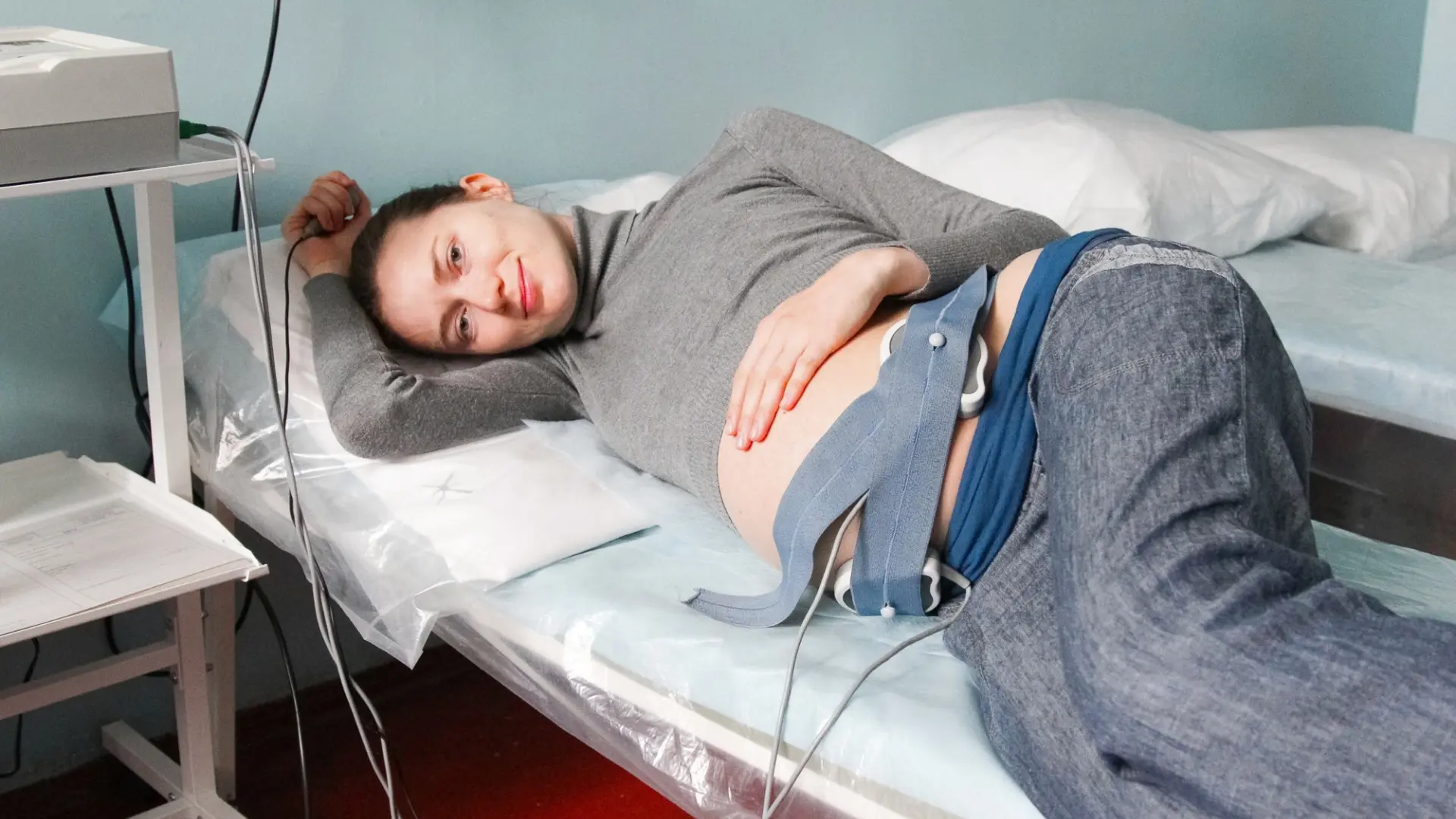
During her third pregnancy — the one Curaechoice covered — the closer monitoring meant she did not need another ambulance ride. “They kept a better eye on me. The provider didn't keep her eyes off me.”
Her prescriptions brought another layer of relief.
This time around, Kendra filled everything through a Curaechoice pharmacy — gestational diabetes testing supplies, blood pressure medication, prenatal vitamins, five prescriptions in all. “I didn't have to pay anything for my strips,” she says. Under her previous coverage, she remembers paying $25 to $30 per bottle for medications she now receives at no cost. “I could go ahead and cook meals for the rest of the week and not have to worry about the cost of groceries,” she says, describing what the savings meant month to month. “I could have some French fries or a meal out and not worry.”
The physical demands of her job made the pregnancy harder as it went on. Kendra's work at a large manufacturer kept her moving between sites, and with dehydration and asthma adding to the strain, she ultimately started her leave earlier than planned. “I can't do this anymore,” she remembers thinking.
Asked what she'd want other expecting mothers to know, Kendra returns to what mattered most during the hardest months of her pregnancy: someone kept checking in.
“I love Curaechoice. Anybody that asks, I'm like, 'Y'all don't have Curaechoice? You need to.'”
“If somebody calls and checks on me, that speaks volumes. When I get that in return, I'm like — you thought about me.”
“I love Curaechoice. Anybody that asks, I'm like, 'Y'all don't have Curaechoice? You need to.'”
“They let you know that you really matter.”
Actual member testimonial; member’s name has been changed to protect their confidentiality.