

When the gallbladder stops doing its job, it often makes itself known in unmistakable ways.
Sharp upper abdominal pain, nausea after meals, or sudden attacks that radiate to the back or shoulder—all signs that bile flow has been disrupted, usually by gallstones.
Once those stones block the bile ducts or cause inflammation, the result is a gallbladder attack—intense pain that can last for hours. When these episodes become frequent or dangerous, gallbladder removal surgery, or cholecystectomy, is often the only solution.
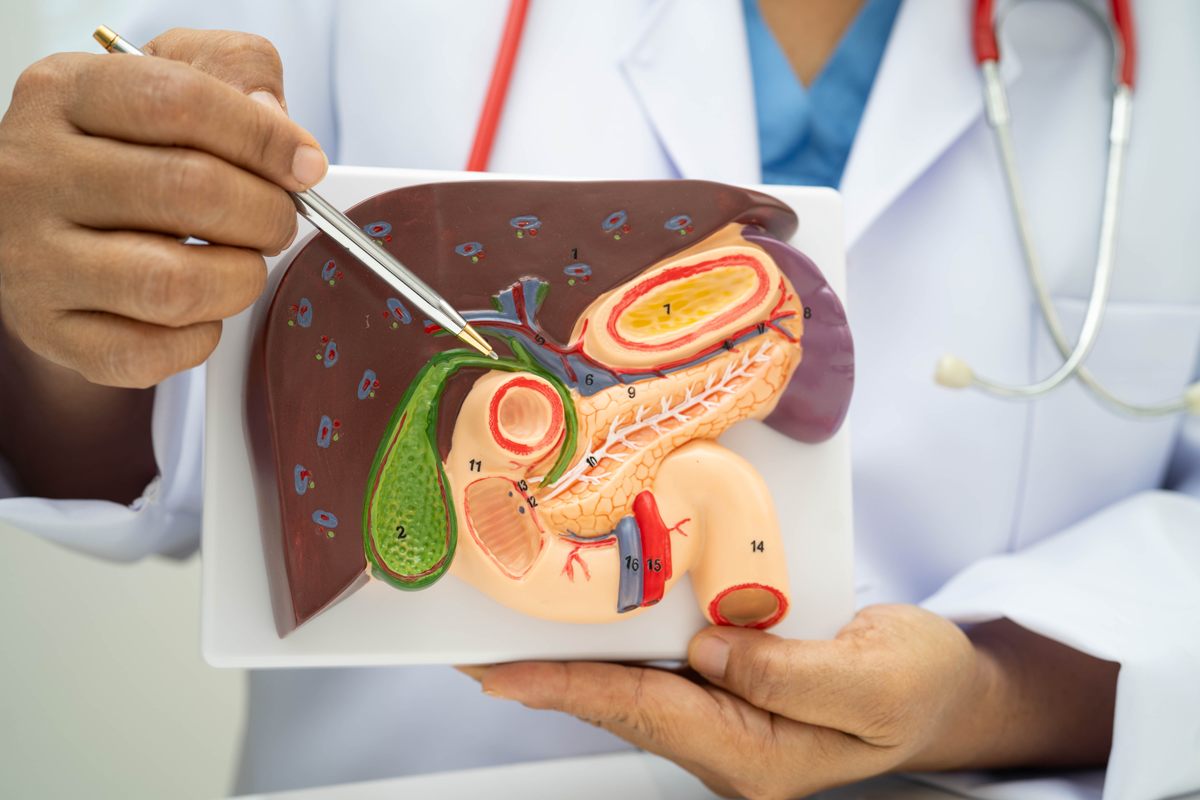
What is the Gallbladder?
The gallbladder is a small organ beneath the liver that stores bile, a fluid used to digest fats. It releases bile into the small intestine after eating. Gallstones form when bile contains too much cholesterol or bilirubin, or when the gallbladder doesn’t empty completely. They can range in size from a grain of sand to a golf ball, and once they start blocking ducts, they cause swelling and infection.
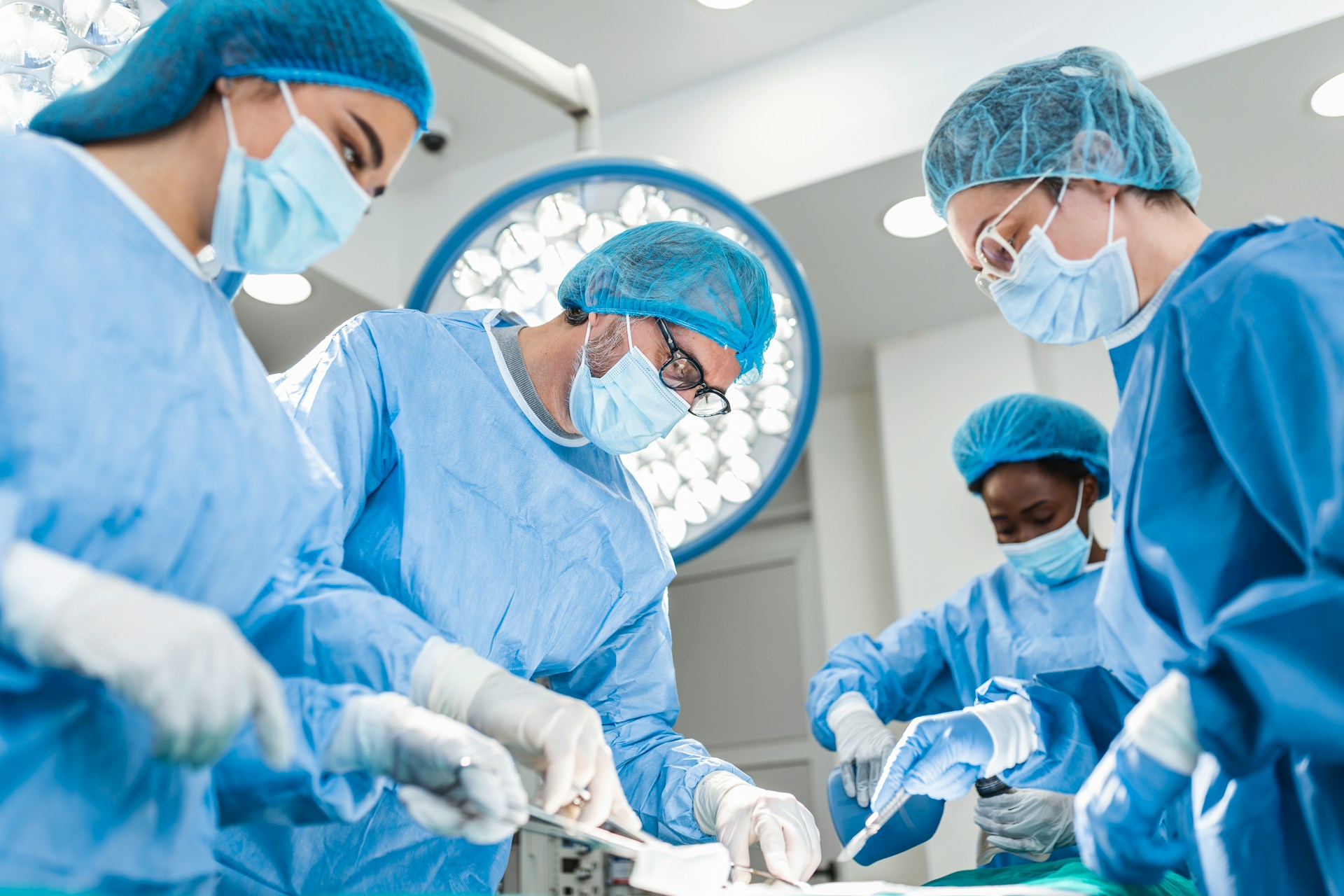
The most common treatment is laparoscopic cholecystectomy, a minimally invasive surgery performed through several small incisions. A tiny camera provides a view of the surgical field while the gallbladder is detached and removed. The procedure usually takes about an hour, and most patients go home the same day. Open surgery—performed through a larger incision—is used only when complications, infection, or scar tissue make laparoscopy unsafe.
The surgery is considered safe and routine, but complications can occur. Rarely, patients experience bleeding, infection, or bile duct injury, which can prolong recovery. However, outcomes are overwhelmingly positive. Most people describe it as life-changing—the end of unpredictable, painful gallbladder attacks and the beginning of normal eating again.
Check Out: MRI Scans: What They Reveal and What They Cost
Looking at the Costs
The cost is another matter entirely.
Laparoscopic gallbladder removal averages between $15,000 and $25,000 in the United States, depending on hospital location and complexity. Even insured patients can owe several thousand dollars after deductibles and coinsurance. For the uninsured, the total can exceed $30,000 once anesthesia, lab work, and follow-up visits are added.
Because gallbladder attacks often strike without warning, many people end up in the emergency room. A single ER visit plus surgery can generate multiple bills from different providers—hospital, surgeon, anesthesiologist, and pathology lab—each arriving separately. The experience can be as financially painful as the attack itself.
How Curaechoice Can Help
Curaechoice eliminates that anxiety.
Members receive coordinated care for evaluation, imaging, surgery, and recovery with zero out-of-pocket cost. Everything—from ultrasound to surgical scheduling and follow-up—is handled within the Curaechoice network. There are no separate bills or hidden facility charges. For employers, this means predictable costs and faster employee recovery times. For members, it means focusing on healing instead of worrying about debt.
Four Signs You or a Loved One Are Possibly Having a Gallbladder Attack
Gallbladder attacks rarely come on gently—they arrive with unmistakable urgency. Recognizing the symptoms early can help prevent complications like infection or rupture.
Here are four signs that should never be ignored.

2. Nausea and vomiting after meals. When bile flow is blocked by gallstones, digestion slows dramatically. Many people feel queasy, bloated, or experience repeated vomiting during an attack. The sensation is different from ordinary indigestion—it builds quickly and persists even after the stomach is empty. Frequent episodes of nausea after eating, particularly fatty foods, often point to a gallbladder struggling to function properly.
3. Digestive changes and intolerance to fatty foods. Gallbladder dysfunction can show up subtly in day-to-day eating. Meals that once felt satisfying now cause discomfort, belching, or a dull ache in the upper abdomen. Some people notice pale or greasy stools, signaling that bile isn’t reaching the intestines to break down fats. Others lose their appetite entirely. These recurring digestive shifts can precede a full-blown attack by weeks or months.
4. Fever, chills, or yellowing of the skin. Once inflammation sets in, infection can follow quickly. A mild fever or chills during an attack may signal the body is fighting bacteria trapped in the bile ducts. In more serious cases, bile backs up into the bloodstream, causing jaundice—yellowing of the skin or eyes and dark urine. This combination of pain, fever, and jaundice requires urgent medical evaluation, as it may indicate a blocked or ruptured duct.
Gallbladder attacks don’t always follow a predictable pattern, but they share one constant: they demand attention.
If you or a loved one experiences these symptoms—especially sharp right-sided pain and nausea after eating—seek medical care immediately.
Early intervention can prevent complications and, with help from Curaechoice, ensure that diagnosis, imaging, and treatment are handled without the added stress of unexpected bills.
Want to know more about Curaechoice? Contact us.