

Hearing loss is often treated as an inconvenience rather than a health issue.
People notice they are asking others to repeat themselves more often, turning up the television, or struggling to follow conversations in noisy rooms. Because these changes develop gradually, they are easy to ignore. Many people adapt quietly, unaware that untreated hearing loss affects far more than communication.
Hearing loss is a neurological and cognitive issue as much as a sensory one. The brain relies on sound input to process language, maintain attention, and navigate social environments. When that input becomes degraded, the brain works harder to fill in gaps. Over time, this increased cognitive load affects memory, concentration, and processing speed.
Learn About: The Hidden Expense of Skipped Cleanings
One reason hearing loss goes untreated is that it rarely causes pain. There is no acute discomfort to prompt care. Instead, frustration builds slowly. People withdraw from conversations, avoid meetings, or rely on context clues rather than sound. These adaptations mask the severity of the problem, delaying evaluation.
Workplace demands often accelerate the impact. Modern jobs rely heavily on communication, whether through meetings, phone calls, video conferencing, or collaborative environments. Even mild hearing loss can reduce performance, increase misunderstandings, and create stress. Employees may appear distracted or disengaged when the underlying issue is auditory.
Social consequences follow closely.
Difficulty hearing leads many people to avoid group settings, restaurants, or family gatherings. Over time, isolation increases. Research consistently links untreated hearing loss to higher rates of depression and anxiety. These mental health effects further compound cognitive strain.
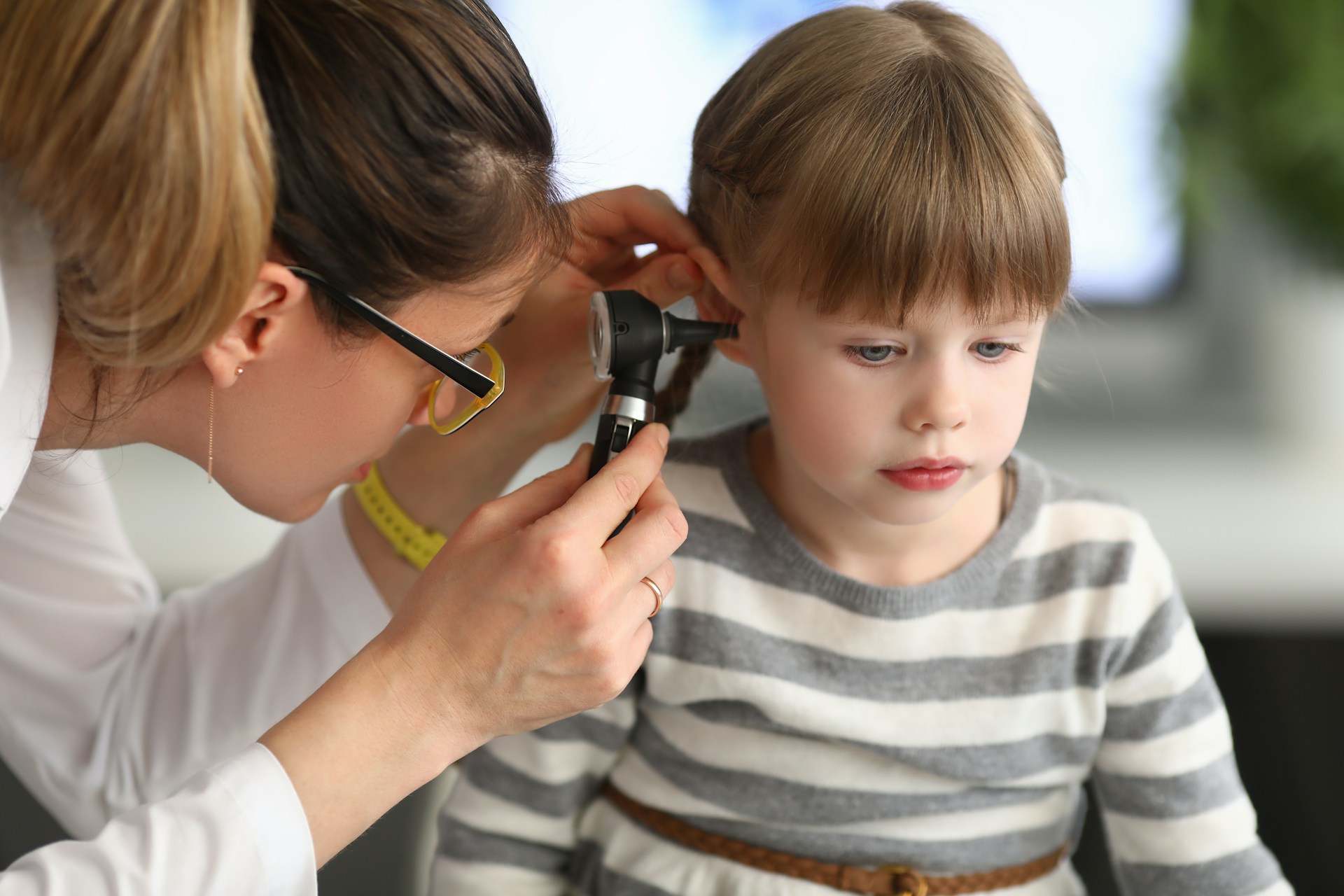
The connection between hearing loss and cognitive decline is increasingly well documented. Studies show that untreated hearing loss is associated with faster cognitive decline and increased risk of dementia. The mechanism is multifactorial: reduced sensory input, social isolation, and chronic cognitive overload all contribute. Early intervention helps preserve cognitive function by restoring auditory input and reducing mental strain.
Despite these risks, audiology care is often delayed for years. Financial uncertainty plays a major role. Hearing evaluations, follow-up testing, and devices are frequently perceived as expensive, and coverage varies widely. When costs are unclear, people postpone assessment, hoping symptoms will stabilize.
Also Read: Why Dermatology Checkups, Moles, and Chronic Skin Conditions Carry Long-Term Costs
Delayed care increases long-term costs. Untreated hearing loss leads to more frequent workplace errors, reduced productivity, and increased absenteeism. Healthcare utilization rises as related issues such as balance problems, depression, and cognitive impairment emerge. Falls become more common due to impaired spatial awareness.
Hearing loss and audiology care: early evaluation vs. long-term cognitive costs
Cost with insurance. Initial hearing evaluations may be partially covered, but repeat testing, specialist consultations, hearing devices, and follow-up care often involve deductibles, copays, and limited coverage. Over time, out-of-pocket costs can range from several hundred to several thousand dollars depending on device needs and monitoring.
Cost without insurance. Comprehensive hearing evaluations and diagnostic testing typically cost $250–$600 annually. Ongoing audiology care, including advanced testing, follow-up visits, and hearing devices, can range from $2,000–$6,000 or more depending on severity and treatment choices.

(Sources: National Institute on Deafness and Other Communication Disorders; Hearing Loss Association of America)
The benefits of early audiology care extend beyond improved hearing. Restoring sound input improves concentration, memory, and mental endurance. Work performance stabilizes. Social engagement increases. People report less fatigue at the end of the day because the brain no longer has to compensate constantly.
Early care also supports safety. Hearing plays a critical role in balance and environmental awareness. Untreated hearing loss increases fall risk, especially in older adults. Addressing auditory deficits early helps preserve spatial orientation and reaction time.
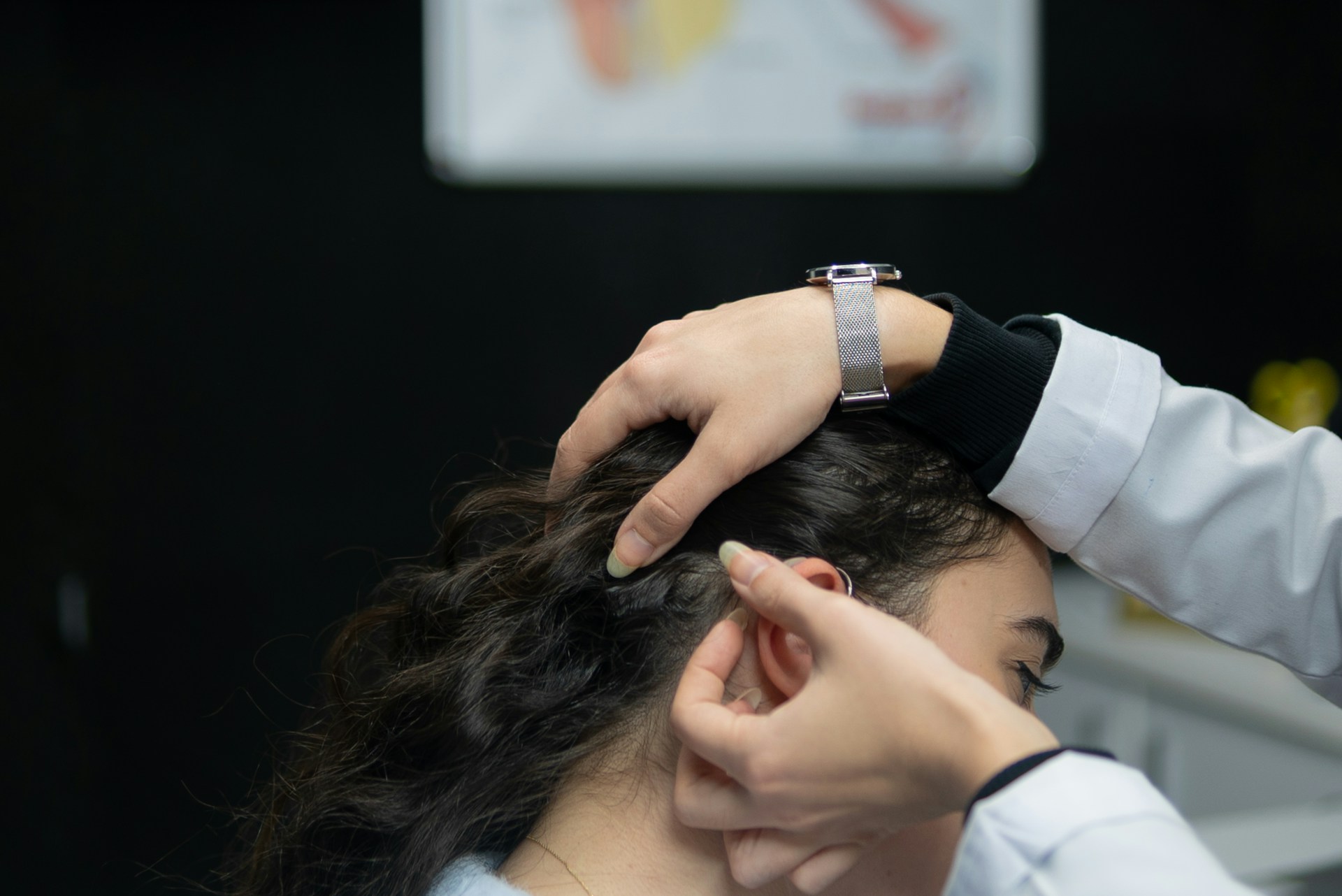
Curaechoice supports early engagement by removing financial barriers to covered care within its network. Members can pursue audiology evaluations without worrying about surprise bills, making it easier to address hearing concerns before cognitive and social effects escalate.
Hearing loss is often framed as an inevitable part of aging. While age-related changes do occur, early evaluation still matters. Many causes of hearing loss are treatable or manageable, and early intervention preserves function regardless of cause.
The cost of waiting is not limited to medical expenses. It includes missed information, strained relationships, reduced confidence, and accelerated cognitive decline. These costs accumulate quietly, often unnoticed until function is significantly impaired.
Healthcare systems tend to respond once hearing loss becomes severe. At that point, adaptation is harder and outcomes are less optimal. Early care supports better long-term results at lower overall cost.
Ignoring hearing loss does not stop its progression. It only increases the burden placed on the brain and body. Early audiology care preserves independence, productivity, and quality of life.
Want to learn more about Curaechoice? Contact us.